

Laos, often celebrated for its temples and tranquil charm, also shelters some of the most pristine wilderness in Southeast Asia. More than half of the country is covered by forests, and vast areas are protected as national parks and nature reserves—making it a hidden paradise for wildlife lovers and eco-travelers. In this guide, we’ll explore the most remarkable wildlife and nature reserves in Laos, highlight the species they protect, and show you how to visit responsibly—helping preserve one of Asia’s last great natural frontiers while supporting the communities who call it home.
The Rich Biodiversity of Laos
Laos may be landlocked, but its ecosystems are as rich and varied as any coastal nation in Southeast Asia. The country’s landscape—dominated by dense forests, rugged mountains, and winding rivers—hosts an astonishing diversity of plant and animal life. Scientists estimate that Laos supports more than 8,000 species of flora and 1,200 species of vertebrates, including rare mammals, colorful birds, and endemic reptiles found nowhere else on Earth. Much of this biodiversity thrives in protected zones, making the nature reserves in Laos vital strongholds for conservation.
Among the country’s most iconic species are the Asian elephant, clouded leopard, and the elusive saola, often called the “Asian unicorn,” discovered only in the 1990s. Gibbons and langurs swing through the treetops of Nam Et–Phou Louey, while hornbills and kingfishers brighten the skies above Hin Nam No and Xe Pian. The rivers and wetlands of southern Laos shelter endangered Irrawaddy dolphins, while the northern forests provide sanctuary to sun bears, civets, and countless butterflies and orchids.
Beyond its wildlife, Laos is home to a mosaic of ecosystems—evergreen rainforests, dry dipterocarp woodlands, limestone karst caves, and highland plateaus—each contributing to the country’s ecological richness. Nearly 20% of the national territory is under some form of environmental protection, reflecting a growing commitment to sustainable development and eco-tourism.
For travelers, this means every journey into the Laotian wilderness offers more than scenic beauty—it’s a chance to witness one of Asia’s last great biodiversity frontiers.
Nam Et–Phou Louey National Protected Area
Tucked away in the remote northeastern provinces of Houaphan and Luang Prabang, Nam Et–Phou Louey National Protected Area is the largest and most biologically significant reserve in Laos. Covering over 5,900 square kilometers, it encompasses a mosaic of mountains, evergreen forests, and river valleys that shelter some of the country’s most endangered species. This rugged wilderness forms part of the Annamite Range, one of Southeast Asia’s last strongholds for large mammals and pristine forest ecosystems.
For travelers, reaching Nam Et–Phou Louey requires effort but rewards with authenticity. Access is via the town of Viengthong, about a day’s journey from Luang Prabang or Phonsavan, followed by organized tours through licensed operators. The dry season from November to April offers the best conditions for trekking and wildlife observation.
Hin Nam No National Park
Situated in the rugged karst landscape of Khammouane Province, Hin Nam No National Park is one of Laos’s most extraordinary wilderness areas—and the country’s newest UNESCO World Heritage Site (2025). Bordering Vietnam’s famous Phong Nha–Kẻ Bàng National Park, Hin Nam No forms part of a massive transboundary conservation zone that protects one of the largest limestone ecosystems in the world.
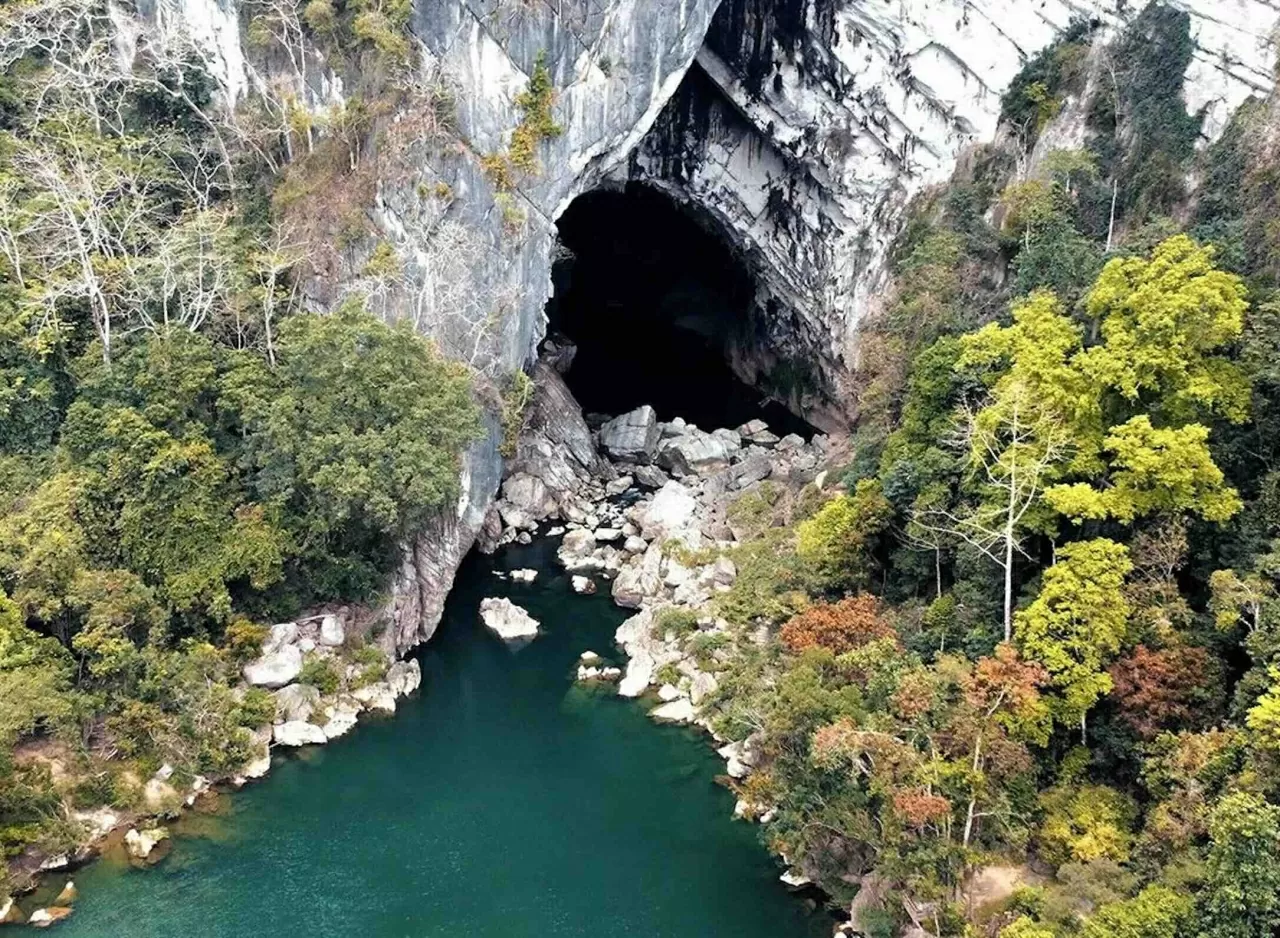
Getting to Hin Nam No requires effort, but that’s part of its charm. Travelers usually start from Thakhek, a provincial town about six hours from Vientiane, then continue to Boualapha District, where local eco-tourism offices help arrange guided expeditions. The park is best visited during the dry season (November to March) when trails are accessible and river levels are safe for caving trips. Accommodation is basic, consisting mainly of village homestays and simple eco-lodges, but the authenticity and natural setting make the journey deeply rewarding.
Phou Khao Khouay National Park
Just a short drive from the capital city of Vientiane, Phou Khao Khouay National Park offers travelers a surprisingly wild escape within easy reach of urban life. Covering over 2,000 square kilometers, this park stretches across a diverse landscape of sandstone cliffs, pine forests, and tropical jungles that support a rich variety of flora and fauna. Its name—meaning “Buffalo Horn Mountain”—comes from the park’s twin peaks, which curve like a pair of horns on the horizon. Despite its proximity to the capital, Phou Khao Khouay remains one of the most accessible yet least crowded nature reserves in Laos.

For travelers seeking a sustainable experience, the park offers eco-lodges and community-run campsites near Tad Leuk, where visitors can stay overnight surrounded by forest sounds. Local guides help lead trekking and kayaking trips, ensuring that tourism benefits nearby villages while maintaining environmental protection. The dry season (November to April) is ideal for hiking, while the wet season (May to October) enhances the waterfalls’ flow, creating lush, green landscapes that are equally captivating.
Xe Pian National Protected Area
In the deep south of Laos, stretching across Champasak and Attapeu provinces, lies the Xe Pian National Protected Area, one of the country’s largest and most biologically diverse conservation zones. Covering nearly 2,400 square kilometers, it forms part of the Indo-Burma biodiversity hotspot—a mosaic of wetlands, tropical forests, and river systems that sustain countless species. The area connects with Cambodia’s Virachey National Park and Vietnam’s Central Highlands, creating a vital transboundary corridor for regional wildlife.
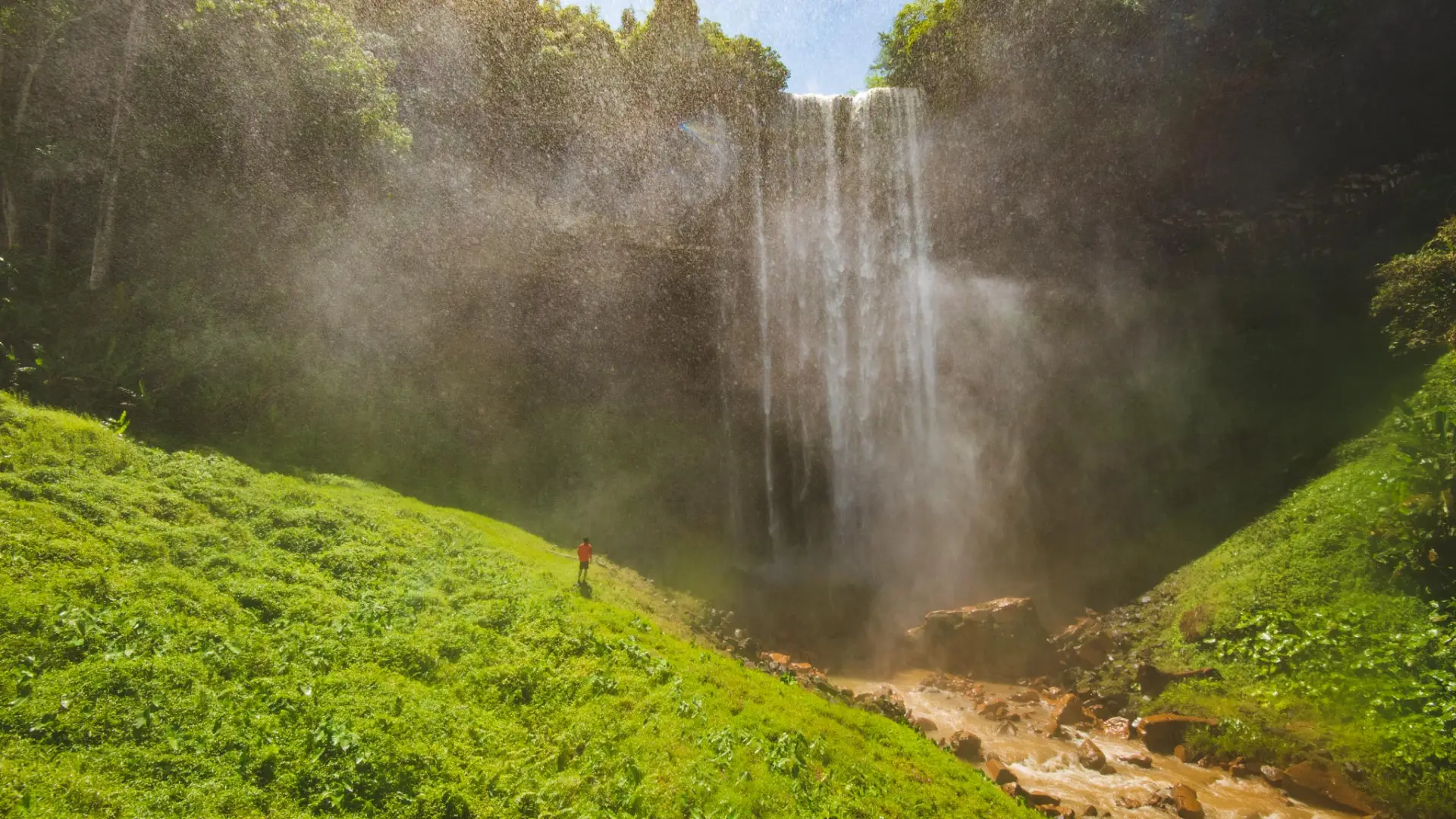
For travelers, the park offers a balance between wilderness and accessibility. The main gateway is Ban Kiat Ngong, a traditional Lao village where visitors can stay in community-run lodges overlooking wetlands and rice paddies. From here, eco-guides lead trekking, kayaking, and wildlife-spotting tours, including hikes to the Phou Asa ruins, an ancient stone fortress perched on a hill. The nearby wetlands of Beung Kiat Ngong, a Ramsar-designated site, provide tranquil boat rides at sunrise and a chance to observe local fishermen and birdlife in harmony with nature.
The best time to visit Xe Pian is from November to April, when the dry season offers easier access to trails and clear river conditions for kayaking. During the rainy months, the park transforms into a lush, green expanse with flourishing wetlands and abundant bird activity.
Nakai–Nam Theun National Protected Area
Located in the heart of central Laos, the Nakai–Nam Theun National Protected Area is one of the country’s largest and most ecologically significant reserves. Covering more than 3,500 square kilometers of mountainous forest, it lies along the Annamite Range bordering Vietnam and is recognized as a global biodiversity hotspot. Its dense evergreen forests, limestone peaks, and river valleys create habitats for some of the world’s rarest and least-studied species—many of which were only discovered in recent decades.
Visitors seeking authentic wilderness experiences can explore the park through community-based ecotourism programs in surrounding villages. Guided treks, wildlife tracking, and birdwatching expeditions are available with trained local guides, while nearby Nakai Plateau offers scenic lakes, forested trails, and opportunities for kayaking and cultural exchange.
The best time to visit is during the dry season (November to April), when paths are clearer and wildlife sightings more frequent. Accommodations are basic but comfortable, emphasizing sustainability and local involvement. For eco-conscious travelers, Nakai–Nam Theun embodies the future of conservation in Laos—a place where tourism and preservation work hand in hand to protect the country’s irreplaceable natural heritage.
Responsible Ecotourism in Laos
Exploring the nature reserves of Laos is more than just an adventure. It supports a movement that values harmony between people and the environment. Ecotourism here focuses on protecting biodiversity while helping rural communities grow.
Choosing eco-certified and community-led tours such as the Nam Nern Night Safari, homestays in Hin Nam No, or community lodges in Xe Pian provides sustainable livelihoods for local people and reduces dependence on hunting or deforestation.
Travelers can also contribute by using reusable items, avoiding single-use plastics, respecting wildlife, and staying on marked trails to minimize their impact.
Aravinda Travel can help you experience eco-friendly journeys that combine nature, culture, and responsibility, supporting the protection of Laos’s forests, wildlife, and local communities.
Contact Details:
- Website: aravindatravel.com
- Facebook: Aravinda Travel – Loyal DMC in South East Asia
- Email: info@aravindatravel.com
- 24/7 Hotline: +84 989 383 572