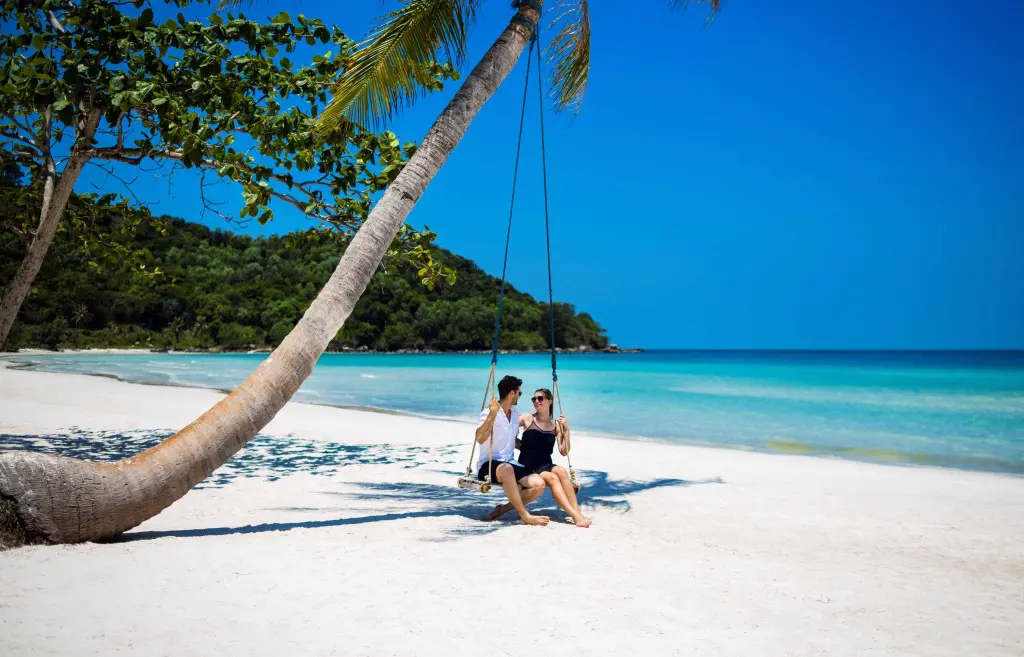

For those with a passion for outdoor adventures, the idea of a Chiang Mai trekking tour often emerges as a premier choice. If you are uncertain about which paths to explore, join Aravinda Travel as we delve into the eight most distinguished trails you can experience on a Chiang Mai trekking tour.
An Overview of Trekking in Chiang Mai
Chiang Mai, a northern Thai province characterized by its mountainous terrain, is renowned for its lush forests, spectacular waterfalls, winding rivers, and stunning landscapes. It is widely regarded as an ideal destination for outdoor enthusiasts in search of thrilling and memorable trekking adventures.
If you are travelling to Chiang Mai and possess a reasonable level of physical fitness, participating in a trekking expedition is highly recommended. These journeys can vary in duration, from a few hours to one or two days, and sometimes even extend to a week. The rewards of such a trip are immense. You will be presented with breathtaking natural scenery, encounter traditional villages, and observe the simple, culturally rich lifestyle of the local Thai people. This article will guide you through the natural splendour of the most prominent routes available on a Chiang Mai trekking tour in Northern Thailand.
The Ideal Season for Trekking in Chiang Mai
Trekking in Chiang Mai is a year-round activity; however, careful planning according to the season is crucial. The optimal period for a Chiang Mai trekking tour is between November and February. During these months, the climate is cool and the air is less humid, providing perfect conditions for navigating forest trails.
While some trekking routes are accessible throughout the year, it is advisable to avoid the heavy rainfall season from July to September. The trails can become exceptionally slippery and muddy during this time, which can significantly compromise both comfort and safety.
Top 8 Distinguished Trails on a Chiang Mai Trekking Tour
Doi Inthanon Trekking Experience
Doi Inthanon, situated approximately 100 kilometres southwest of Chiang Mai’s Old City within Doi Inthanon National Park, is Thailand’s highest peak. It features dense forests, ancient temples, and magnificent nature trails that offer breathtaking panoramic views of the valleys below.
The park entrance is located on Provincial Road 1009, with an admission fee of around 8.55 USD. The park is open from 5:00 a.m. to 6:30 p.m.
The primary trekking path begins from road 1009, spanning 4.5 kilometres and typically taking 3-5 hours to reach the summit. Engaging a local guide from the base of the trail is recommended. These guides, often from nearby villages, can provide valuable insights into the area’s ecology and culture for a fee of approximately 5.70 USD.
This route allows trekkers to immerse themselves in the picturesque landscape and observe the park’s rich biodiversity. Notably, around 300 bird species can be spotted near the summit throughout the year, making it a prime destination for birdwatchers. A cultural highlight of this Chiang Mai trekking tour is a visit to a Karen or Hmong village, where you can witness unique customs, traditional attire, and the creation of handicrafts, which can be purchased directly to support the community.

Ang Ka Nature Trail Trek
The Ang Ka Nature Trail is an excellent option for nature lovers seeking a less strenuous hike. Covering a distance of just under 3 kilometres, it is one of the most accessible trails for those with moderate fitness levels.
Located opposite the main Doi Inthanon trail, this wooden boardwalk also leads towards the summit. Situated at an altitude of 2,500 meters, this well-constructed path guides you through the dense forest on Thailand’s highest mountain. The boardwalk is built close to the ground and elevated in sections, ensuring a manageable walk for most visitors.
A delightful aspect of this trek is the opportunity to savour a delicious, locally prepared Thai lunch before proceeding to the Hmong market at the hilltop. Here, you can support local agriculture by purchasing fresh fruits, vegetables, and teas. Furthermore, this tour includes visits to two of the park’s most impressive waterfalls: Sirithan Falls and the majestic Wachirathan Falls. The latter, an 80-meter cascade, is particularly famous for the rainbows often visible in its mist.

The Journey from Muang Kurt to Huay Kukap
For those seeking a blend of natural beauty and cultural immersion, the trek from Muang Kurt to Huay Kukap is a standout option on any Chiang Mai trekking tour. This route offers remarkable insights into hill tribe culture amidst alluring scenery, featuring enchanting mountains, lush greenery, and natural water features.
Starting in Muang Kurt town, the trail involves a 600-meter ascent up a mountain path that includes a natural waterslide leading to Huay Kukap. This segment of the journey provides a glimpse into the tranquil lifestyle of the local inhabitants. Taking a refreshing dip in the cool creek waters is a delightful experience as you traverse rich rainforest areas en route to Lahu farmland.

Trekking from Huay Kukap to Huaysatan Waterfall & Ta mok Mae Taeng River
This popular trail continues the adventure from Huay Kukap through dense forests to the Huaysatan Waterfall and the Mae Taeng River. The hike from Huay Kukap winds through the forest for about 2 kilometres before reaching remote villages, where you can learn about the traditional way of life. A further kilometre brings you to the Huaysatan waterfall, widely considered the most beautiful waterfall in the region.
Another kilometre ahead, trekkers can enjoy the scenic Ta Mok Waterfall, an idyllic spot for swimming. Continuing 1.6 kilometres down the stream bed leads to the Mae Taeng River, a hub for water-based activities such as swimming, bamboo rafting, and whitewater rafting, adding an exciting dimension to your Chiang Mai trekking tour.
Samoeng Trekking Adventure
The Samoeng district, located about 45 kilometres southwest of Chiang Mai, offers a serene trekking experience. The trek typically starts in the Samoeng area and concludes in the Mae Wang area. Along the way, you can experience immense natural wonders, dense vegetation, and diverse flora and fauna.
The Samoeng trails are generally less crowded due to their complexity, whereas the Mae Wang area tends to be more frequented by tourists. This region is primarily inhabited by the Karen and Hmong tribes, and visitors have the opportunity to observe and learn about rural life and their unique cultures.
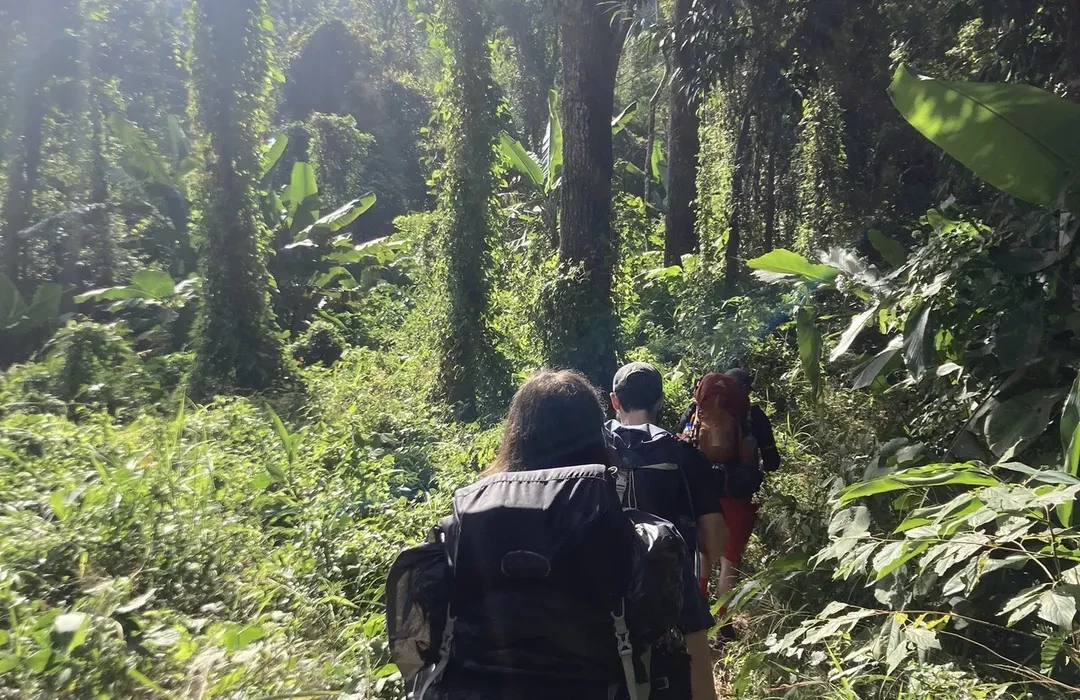
The Renowned Doi Suthep Trek
Doi Suthep is home to the most sacred and famous temple in Chiang Mai. The trekking path from the base of the hill to the temple at the summit, which stands at nearly 1,700 meters, has established this as the most famous trekking location in Chiang Mai.
This trek offers unique experiences during the ascent. The hill is relatively easy to climb, making it perfectly suitable for first-time trekkers. The ultimate reward is reaching the sacred Doi Suthep temple at the peak. The journey itself is a pleasant one, with cool air and beautiful landscapes created by the surrounding trees, and it is often considered a form of pilgrimage for many visitors.
The Trail from Baan Pha Dang to Huay Ku Kap
This trail leads from Baan Pha Dang to Huay Ku Kap, showcasing many unique scenic wonders. The primary reason for its popularity is the deep cultural immersion it offers into the hill tribes’ way of life. The most significant aspect of this trek is the opportunity to experience the villagers’ lifestyle and learn about their history in the area.
This 3-hour trek begins at meditative cliffs and passes through quaint mountain scenery, meandering streams, and several local villages inhabited by Hill tribes. As a prominent feature of Northern Thailand’s panorama, the trail passes eye-catching destinations like Mae Taman before concluding at Huay Kukap, famous for its impressive tribal settlement on the hill.
Exploring Mae Wang National Park
Mae Wang showcases nature at its finest, and this can be fully appreciated through the various trekking tours offered in this part of Chiang Mai. The primary trekking routes are found within Mae Wang National Park, often starting from a fascinating Shan village.
The park is renowned for its Grand Canyon-like hill formations and is situated about 45 kilometers southwest of Chiang Mai city. Encompassing 700 square kilometers, the park houses several elephant camps where visitors can learn about and experience elephant riding. Additionally, you can enjoy riding rubber boats and bamboo rafts on the Wang (Mae Wang) River.
The tour allows you to explore the natural wonders of the countryside, leading to beautiful waterfalls and rainforests. A visit to a Karen village is also typically included, providing further insight into the lives of the local people and enriching your Chiang Mai trekking tour.

Essential Advice for Your Chiang Mai Trek
- Always equip yourself with appropriate hiking gear and pack extra layers, as temperatures can drop significantly at night or in the early morning at higher elevations.
- Select comfortable, non-restrictive clothing to prevent stuffiness during your hike.
- Wear sturdy hiking boots with excellent grip for safety and comfort on varied terrain.
- Carry a water bottle at all times to maintain hydration throughout your journey.
- Apply and bring sunscreen to protect against sunburn.
- Use insect repellent to minimize bites from mosquitoes and other insects.
- Always have a basic first aid kit to address minor medical situations.
- Select a trekking route that aligns with your physical abilities. Undertake appropriate training beforehand and ensure you are in good health.
- If you are a first-time visitor to Chiang Mai or lack trekking experience, it is safer to join a guided tour rather than venturing alone.
- Show respect for Thai culture and customs. When visiting a hill tribe, engage with the people respectfully instead of merely observing and photographing them.
- Adhere to the principles of “Leave No Trace.” Do not leave any trash behind, and take care not to damage or disturb the local plants and wildlife.
Conclusion
In summary, these are the top eight most prominent trails for a Chiang Mai trekking tour, as shared by Aravinda Travel. We hope this information assists you in planning a thoroughly complete and enjoyable trekking adventure. Should you have any inquiries regarding these trips, please do not hesitate to contact us.
Contact Details:
- Website: aravindatravel.com
- Facebook: Aravinda Travel – Loyal DMC in South East Asia
- Email: info@aravindatravel.com
- 24/7 Hotline: +84 989 383 572