
Vietnam stands as one of the most hospitable and inviting nations on the globe, renowned for its vibrant and diverse street food culture. The cuisine, characterised by distinct Southeast Asian flavours, is not only exceptionally delicious but also remarkably affordable for travellers. A well-planned Vietnam Itinerary promises to deliver profoundly meaningful journeys and authentic cultural encounters that linger long in the memory.
This comprehensive guide is designed to explore the premier attractions, providing an essential framework for any traveller crafting their perfect Vietnam Itinerary.
Sapa – The Misty Highland Retreat: The Premier Destination in Your Vietnam Itinerary
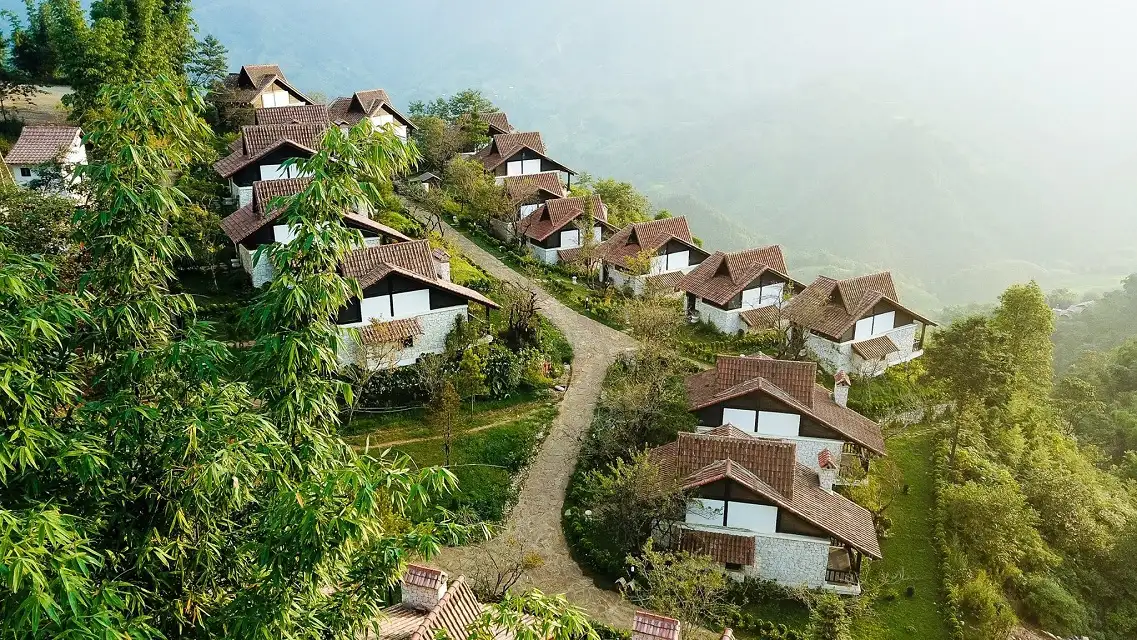
Nestled in the highlands of Lao Cai province, situated between the imposing Hoang Lien Son and Con Elephant mountain ranges, Sapa is celebrated for its majestic and poetic landscapes. This destination is a masterpiece of natural beauty, a magnificent, picture-perfect scene bestowed by nature itself. Consequently, any Vietnam Itinerary focusing on the Northwest region must include Sapa, a gateway to numerous famed locales such as Y Ty, the breathtaking Ban Gioc Waterfall, the formidable Fansipan Mountain, the serene Muong Hoa Valley, the bustling Bac Ha Market, and the stunning rice terraces of Mu Cang Chai.

The Optimal Period for a Sapa Visit
Sapa benefits from a cool, temperate climate throughout the year, with stable temperatures that make it an ideal destination for trekking and admiring the region’s poetic beauty. The most comfortable weather for tourism typically occurs from March to May, when temperatures range from a pleasant 15 to 26°C. During this period, visitors are treated to the picturesque scenery of lush, green rice fields and a vibrant tapestry of colourful flowers. The fresh air and warm temperatures make this season perfect for outdoor activities and trekking within your Sapa Itinerary. Another excellent window is from September to mid-December, with average temperatures between 15 and 25°C, offering perfect conditions for photography and hiking amidst golden rice terraces and clear skies.
Transportation and Mobility
Travellers can reach Sapa by private vehicle, depending on their preferences. However, for a safer and more efficient journey, it is highly advisable to book a seat on a tourist bus or an overnight train from Hanoi to Sapa. Once you have arrived and are executing your Vietnam Itinerary in Sapa, walking is undoubtedly the best and most convenient way to explore the town and its immediate surroundings. For longer distances, taxis, local buses, and motorbike taxis (known locally as “xe om”) are readily available and affordable.
Accommodation Options
Selecting accommodation in Sapa depends largely on personal budget and preferences. The town offers a wide spectrum of lodging, from budget-friendly guesthouses to luxurious resorts. Some highly recommended options for visitors to consider include KK Hotel Sapa, Sapa Jade Hill Resort & Spa, Topas Ecolodge, and Cat Cat Hill Resort Spa. Each offers a unique experience, from eco-friendly bungalows to resorts with panoramic mountain views, ensuring a comfortable stay during your Sapa Itinerary.
Activities and Experiences in Sapa
A Sapa travel itinerary is filled with diverse and enriching activities. Visitors can immerse themselves in the local culture by venturing into small ethnic minority villages, such as those of the H’mong and Dao people. Cultural enthusiasts can visit local museums, while adventure seekers can embark on a hike up Fansipan Mountain, the highest peak in Indochina. A walk to the majestic Silver Waterfall is highly recommended, as is sampling local delicacies to truly appreciate the area’s unique flavours. The charming scenery of Muong Hoa Valley, with its small, winding stream stretching up to 15 km, is a must-see. For souvenir shopping, Sapa Market is the ideal place to purchase local specialties and exquisite handicrafts. Ultimately, a tour of the iconic rice terraces is an unforgettable experience that encapsulates the beauty of this region.

The Bustling Capital, Hanoi: A Cultural Cornerstone of Any Vietnam Itinerary
As the capital of the north, Hanoi holds a special place in the hearts of the Vietnamese people. It is a city of captivating contrasts—bustling and chaotic, yet this very energy is its defining highlight. Hanoi consistently attracts tourists with its distinctive character and an unmistakable, vibrant way of life. A comprehensive Vietnam Itinerary would be incomplete without exploring its famous attractions, which include the serene Hoan Kiem Lake, the expansive West Lake, the historic Ba Dinh Square, the ancient Temple of Literature, and the striking Hanoi Cathedral. For those wishing to delve deeper into the culture and lifestyle, the Old Quarter is an unmissable and extremely attractive area, offering a labyrinth of streets each dedicated to a specific trade.

The Ideal Time to Explore Hanoi
While Hanoi can be visited year-round, the most favourable times for a truly meaningful itinerary are during the spring (March to April) and the autumn (September to November), avoiding the peak of the summer heat and the main rainy season. A particularly charming feature of Hanoi’s autumn is the blooming of daisies. Unlike many flowers, daisies are predominantly found in the northern provinces, especially in Hanoi. Visitors from late October to early December will find these charming flowers adorning streets and roads across the city, adding a delicate beauty to the urban landscape.
Navigating the City
There are numerous modes of transport available for a Hanoi Itinerary, ranging from walking and traditional Cyclos to Grab motorbikes, buses, and taxis. While Taxis and Grab services are the fastest way to navigate the city, they can be relatively expensive. For a more authentic and independent experience, visitors can rent a motorbike for approximately 100,000 – 150,000 VND per day, allowing them to explore the streets of Hanoi at their own pace.
Accommodation in the Capital
As a bustling metropolis, Hanoi boasts a plethora of accommodation options, including many 4 and 5-star hotels. Travellers can easily find and book a place to stay that suits their style, whether classic or modern. Notable establishments for your Hanoi itinerary include the JW Marriott Hanoi, the historic Sofitel Legend Metropole Hanoi, Meliá Hanoi, and La Siesta Premium Hang Be Hotel, among many others.

Experiences Not to Be Missed in Hanoi
It would be a missed opportunity not to stroll around the tranquil West Lake or the iconic Hoan Kiem Lake. Visitors should make time to see the city’s typical landmarks and explore its dynamic streets. For a convenient overview, the Hop-on Hop-off bus tour is an excellent option. Other highly recommended activities include visiting the insightful Museum of Ethnology, indulging in the diverse and delicious Hanoi cuisine, and attending the flag raising ceremony at Uncle Ho’s Mausoleum at 6 a.m. or the flag lowering ceremony at 9 p.m., which are profound and patriotic experiences.

Hoi An Ancient Town: An Unforgettable Gem in Your Vietnam Itinerary
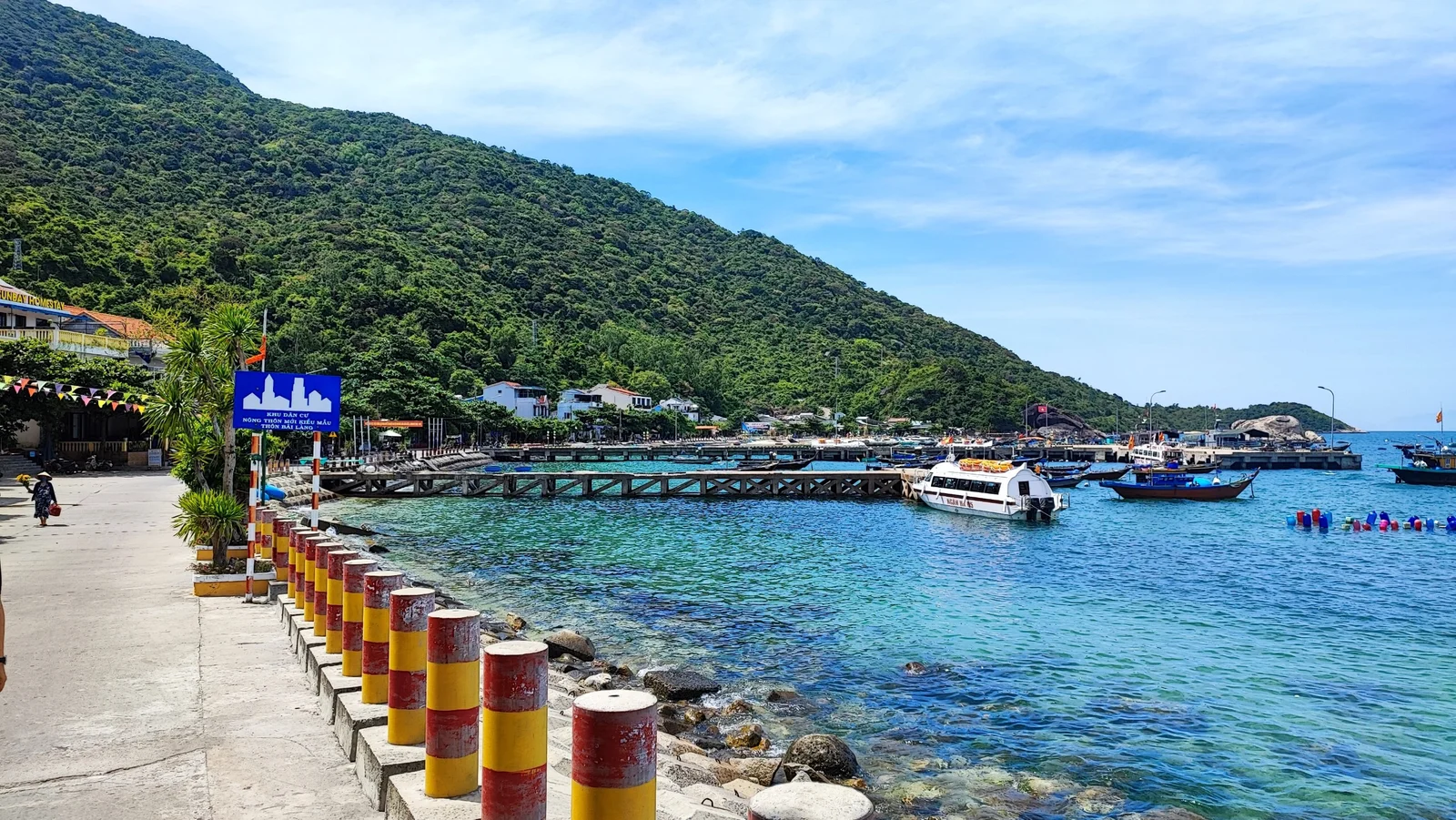
Hoi An, located about 30km from Da Nang, is one of Central Vietnam’s most charming destinations. Known for its peaceful atmosphere, scenic beauty, and distinctive cuisine, the town reflects a rich blend of Vietnamese, Japanese, and Chinese cultural influences from its days as a bustling trading port. Visitors can explore ancient houses, assembly halls, museums, and temples, as well as nearby attractions such as Cu Lao Cham, My Son Sanctuary, and Cua Dai Beach. Hoi An is also home to unique traditional festivals, including the Mid-Autumn Festival, Whale Worshiping Festival, Wandering Soul Day, and Lady Thu Bon Festival.

When to Visit Hoi An
The ideal time for a Hoi An Itinerary is from February to April annually. During these months, the weather is warm, and rainfall is low, creating perfect conditions for sightseeing. While May and June can bring some hot and sunny days, this period is excellent for diving and observing the coral reefs around the Cu Lao Cham islands.
Accommodation Choices
For the most convenient exploration of Hoi An Ancient Town, it is recommended to select accommodation in or near the old town for easy access on foot. The choice ultimately depends on personal preference and budget, with options ranging from charming homestays to luxurious riverside resorts to suit any Hoi An itinerary.
Transportation within Hoi An
The ancient town itself is a pedestrian-friendly zone, best explored on foot. To explore further afield, visitors can choose from several transport options. Renting a motorbike is a popular and personal choice, with prices ranging from 120,000 to 150,000 VND per day. Additionally, taxis, cyclos for a leisurely ride, and bicycles are all ideal options for discovering the peaceful beauty of Hoi An and its surroundings.
Key Activities in Hoi An
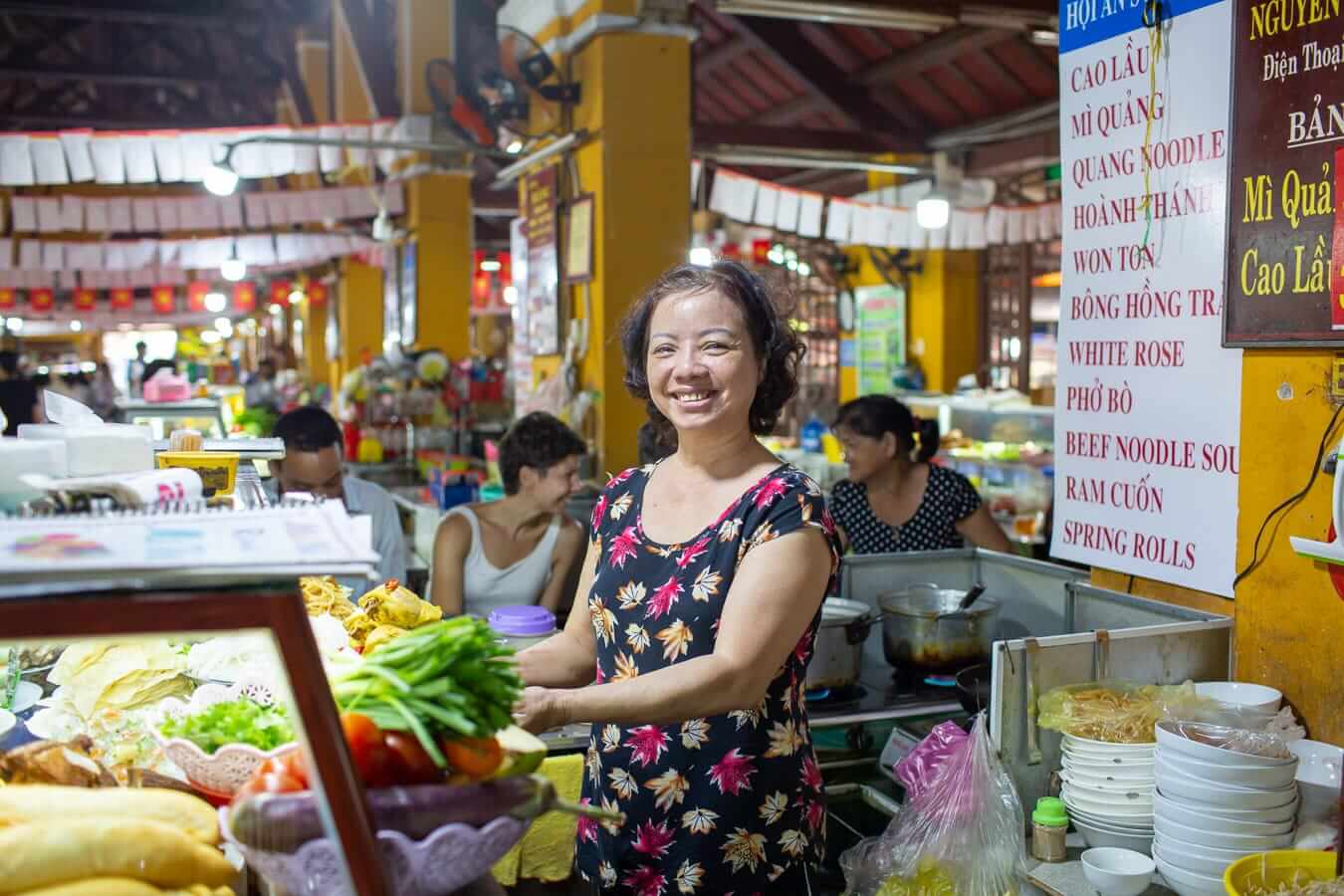
Despite its compact size, Hoi An’s culinary culture is extraordinarily rich. Visitors must sample local specialties such as Hoi An Chicken Rice, Cao Lau (a noodle dish with pork and croutons), Banh Beo (steamed rice cakes), Quang Noodles, and Wontons. Essential activities for your Hoi An itinerary include a walking tour of the enchanting Old Town, a visit to the Hoi An Museum, and exploring ancient houses that boast profound historical architecture. A trip to the vibrant Hoi An Market, a true food paradise, is indispensable. Finally, a half-day trip to the My Son Sanctuary, a UNESCO World Heritage site, provides a fascinating glimpse into the ancient Champa civilization.
Ho Chi Minh City – The Dynamic Metropolis of the South
Ho Chi Minh City (HCMC), still commonly referred to as Saigon, is Vietnam’s most dynamic and bustling urban centre, teeming with entertainment and activity. It offers a vast array of experiences at tourist attractions suitable for all ages, making it a vital stop on any comprehensive Vietnam Itinerary.
During a Ho Chi Minh Itinerary, visitors can explore the city’s prominent highlights, including the modern Nguyen Hue Walking Street, the historic Nha Rong Wharf, the vast Binh Tay Market in Chinatown, the poignant War Remnants Museum, the incredible Cu Chi Tunnels, and the nearby Thanh An Island for a coastal escape.

The Best Time to Travel to Ho Chi Minh City
HCMC experiences two distinct seasons: the rainy season from May to November and the dry season from December to April. The dry season, with temperatures ranging from 21 to 34°C, is generally considered the perfect time to visit, as it offers sunny days and lower humidity for exploring the city’s outdoor attractions as part of your Vietnam itinerary.
Accommodation in the City
There is an abundance of accommodation choices in Ho Chi Minh City, catering to all financial plans. Travellers can find suitable places to stay, from budget hostels to luxury hotels. Some well-regarded options include The Reverie Saigon, Park Hyatt Saigon, and Hotel Indigo Saigon The City.
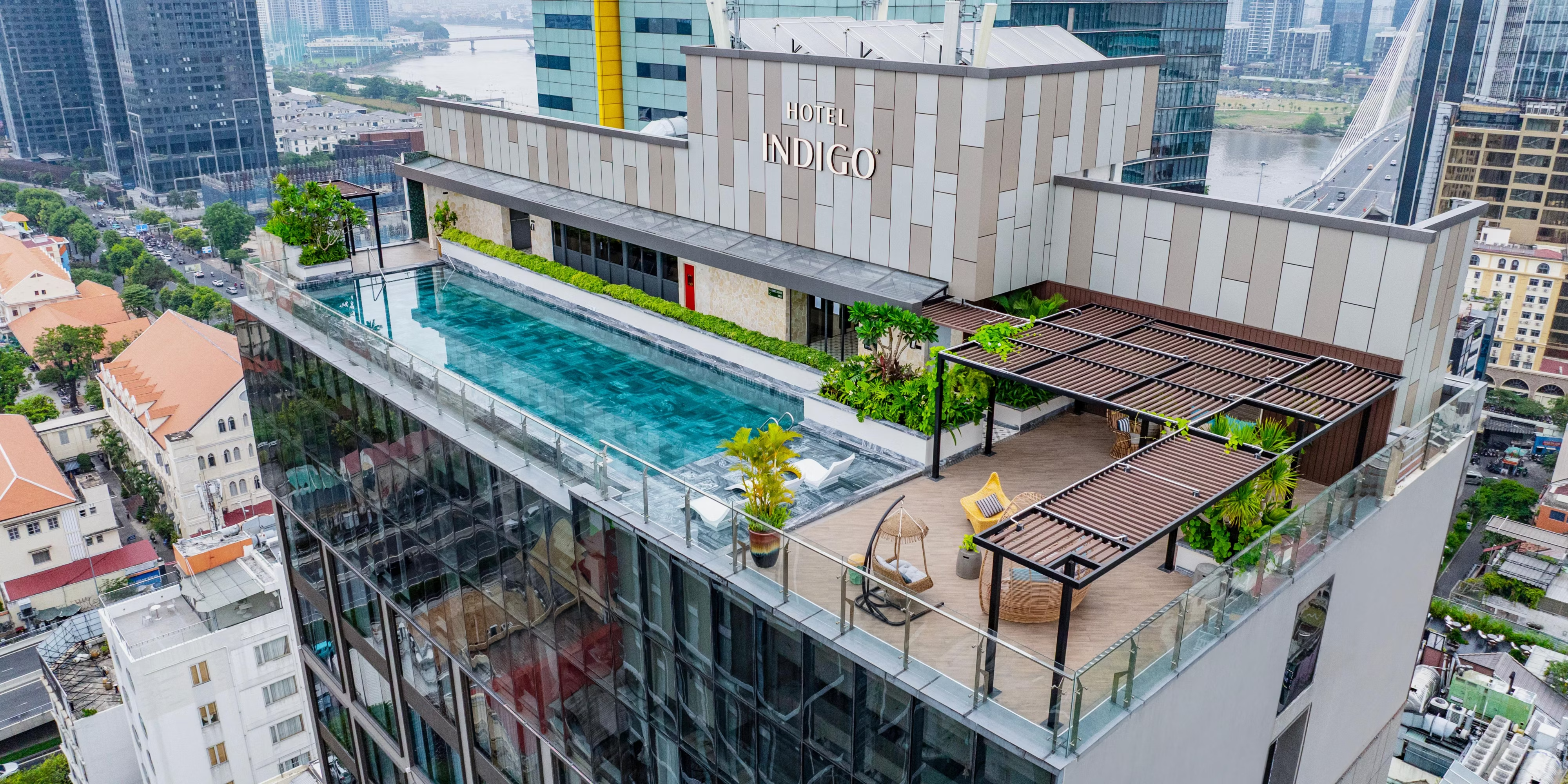
Getting Around Saigon
The primary means of transport for tourists navigating a Saigon itinerary are motorbikes, either rented or via ride-hailing apps like Grab. Cars, bicycles, public buses (the cheapest form of public transport), and cyclos are also available, offering different perspectives of the city’s relentless energy.
Essential Experiences in the Itinerary
It would be a great pity to miss the city’s vibrant nightlife and the bustling, crowded outdoor dining scenes that come alive after dark. Key activities include a visit to the Reunification Palace, a shopping trip to the iconic Ben Thanh Market, a dedicated street food tour, and an excursion to the lush Mekong Delta. Visitors should also take time to admire the beautiful City Hall building, pay a visit to the educational War Remnants Museum, and see the historic Notre-Dame Cathedral Basilica of Saigon.

The Pearl Island – Phu Quoc
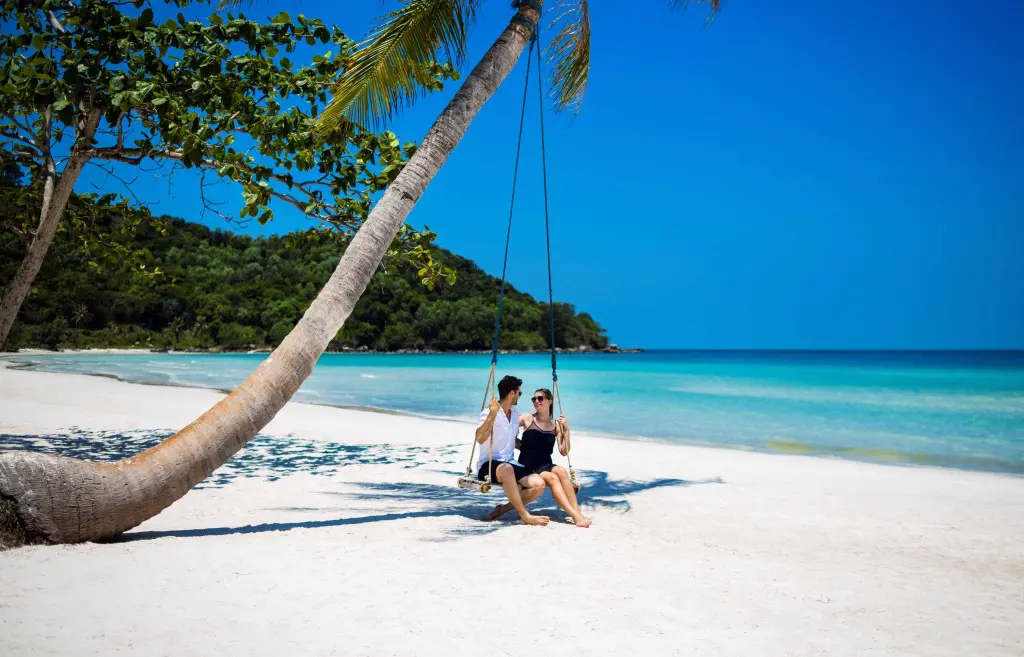
Phu Quoc, located in Kien Giang province, has long been a famous destination for both domestic and international tourists. This beautiful island is characterised by its peaceful, unspoiled natural scenery, making it an ideal location for vacation activities and perfect relaxation, offering a tranquil conclusion to a busy Vietnam Itinerary.
Travellers on a Phu Quoc Itinerary can visit a variety of famous destinations, such as the rustic Rach Vem fishing village, the conservation-focused Vinpearl Safari, the pristine Bai Dai beach, the scenic Ganh Dau cape, and the vibrant night markets, which are a hub of local food and culture.
The Optimal Time to Visit Phu Quoc
The most ideal time to explore Phu Quoc is during the dry season, from November to April the following year. During these months, weather conditions are extremely favourable for all sightseeing and experiential activities. November, in particular, marks the seasonal transition, with temperatures around 25 to 28°C, allowing visitors to enjoy cool, pleasant breezes and calm seas.
Accommodation on the Island
For accommodation, you can choose from a wide range of homestays for a local experience. If you prefer privacy, convenience, and comfort, there is a vast selection of hotels and resorts. It is important to note that Phu Quoc’s tourist areas are often in high demand, and hotels near the night market can be very difficult to book without a prior reservation.

Transportation in Phu Quoc
Although Phu Quoc covers a large area of approximately 600 km², it primarily has three main roads for circulation: Tran Hung Dao Street, 30/4 Street, and Hung Vuong Street. For independent travellers, renting a motorbike is undoubtedly the most suitable and flexible means of transportation for a Phu Quoc Itinerary. Alternatively, visitors can use taxis, bicycles, or buses to get around the island.
Things to Do in the Phu Quoc Itinerary
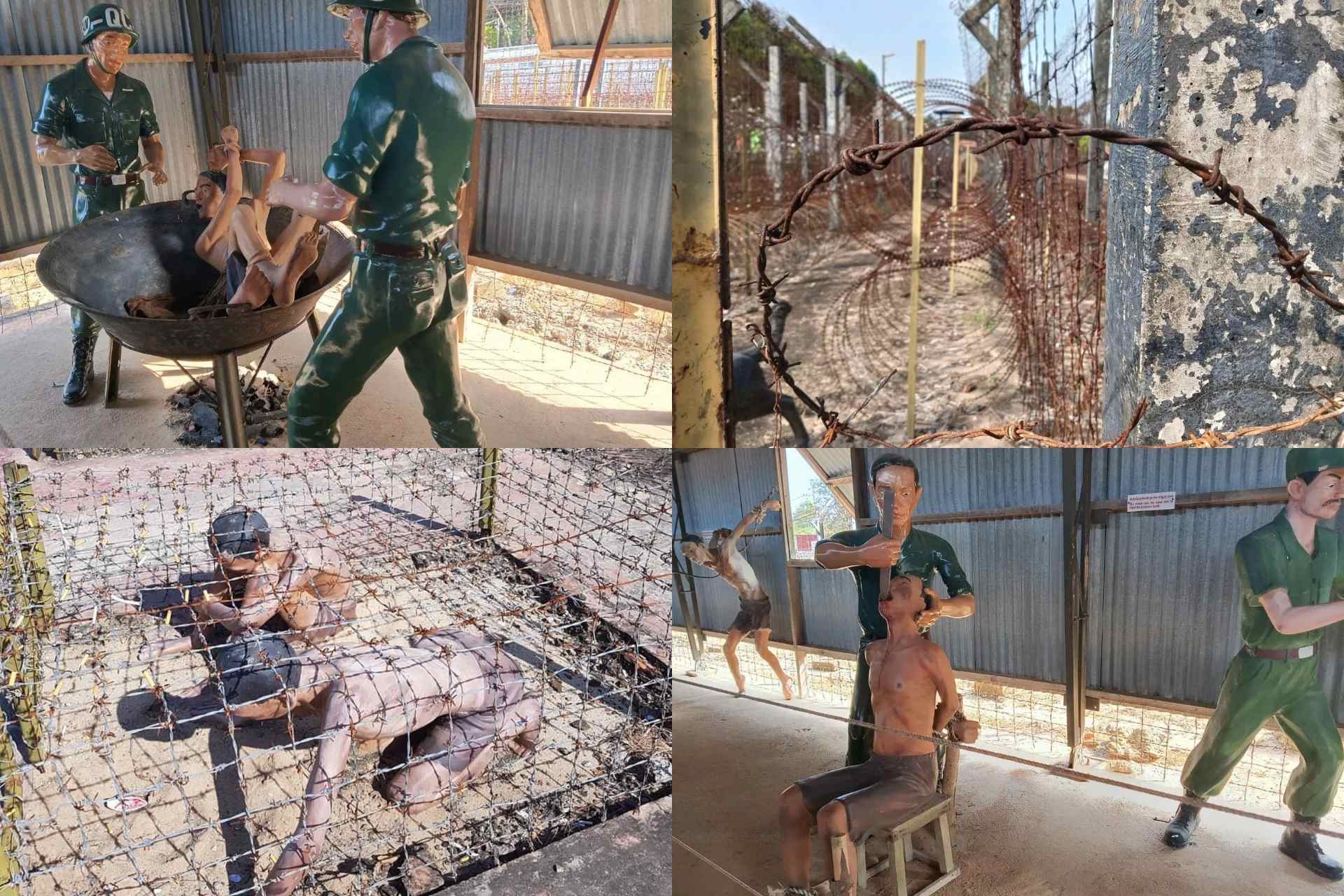
Exploring Phu Quoc by motorbike is a highly recommended experience. Visitors should definitely check out the island’s stunning beaches, immerse themselves in the lively atmosphere of the Phu Quoc Night Market, and visit the historically significant Phu Quoc Prison, a national historical relic that tells a poignant story of the nation’s past. Furthermore, Phu Quoc attracts tourists with a series of beautifully designed cafes, becoming a “million-like” photography hotspot for social media enthusiasts. A visit to a local “sim” (rose myrtle) wine factory offers a chance to sample this unique, easy-to-drink fruit wine, alongside enjoying other typical flavours and dishes of the island.
Essential Notes for Your Vietnam Itinerary
To ensure a smooth and complete trip, it is advisable to prepare the following items:
- Necessary documentation: ID card / passport with a valid visa.
- Appropriate clothing and personal toiletries.
- Sufficient cash (Vietnamese Dong) and/or a credit card.
- All necessary personal belongings, including medications and adaptors.
Conclusion
Are you ready to embark on a fascinating and unforgettable journey? Is your suitcase packed, and are you prepared to hit the road to discover the splendours of Vietnam?
To ensure every trip is more meaningful, seamless, and enriching, we invite you to contact Aravinda Travel. We are dedicated to providing you with the finest services to craft your perfect, personalized Vietnam Itinerary.
Contact Details:
- Website: aravindatravel.com
- Facebook: Aravinda Travel – Loyal DMC in South East Asia
- Email: info@aravindatravel.com
- 24/7 Hotline: +84 989 383 572