

Discover why Vietnam street food has taken the world by storm. From steaming bowls of pho to crispy banh mi, this guide takes you through the flavors, cities, and experiences that make Vietnamese street cuisine unforgettable.
Introduction: Discover the Magic of Vietnam Street Food
When you walk through the streets of Vietnam at dawn or dusk, your senses immediately come alive. The aroma of fresh herbs mingles with the sizzle of hot woks, while friendly vendors call out their specialties from every corner. This is Vietnam street food – a vibrant reflection of daily life that has captured the hearts and appetites of food lovers worldwide.
Vietnam’s street food has become an international phenomenon, offering authentic flavors passed down through generations. From the bustling streets of Hanoi’s Old Quarter to the romantic lantern-lit alleys of Hoi An and the dynamic energy of Ho Chi Minh City, Vietnam’s street food scene offers something magical at every turn.

What Makes Vietnam Street Food Unique?
The Perfect Balance of Flavors
Vietnamese cuisine is famous for its careful balance of five fundamental tastes: sweet, salty, sour, spicy, and umami. This harmony isn’t accidental – it’s a philosophy deeply rooted in Vietnamese culture and traditional medicine. A single dish might combine fish sauce (salty), lime juice (sour), sugar (sweet), chili (spicy), and rich broth (umami) in perfect proportion.
Fresh Ingredients and Made-to-Order Cooking
One of the biggest differences between Vietnam street food and other cuisines is the emphasis on freshness. Vendors wake up before sunrise to shop at local markets, selecting the best vegetables, herbs, and proteins. Most dishes are prepared right in front of you, ensuring maximum freshness and flavor. The Vietnamese take pride in using seasonal ingredients that reflect the character of each region.
A Culture of Connection and Simplicity
Street food in Vietnam isn’t just about eating – it’s about connecting with others. You’ll find yourself sharing a table with strangers, sitting on small plastic stools that seem comically low to the ground, and striking up conversations with both vendors and fellow diners. This simple, unpretentious approach to dining breaks down social barriers and creates moments of genuine human connection.
Regional Diversity and Creativity
From north to south, Vietnam’s street food reflects incredible regional diversity. Northern dishes tend to be lighter and more subtle, central Vietnamese food is known for being spicy and complex, while southern flavors are sweeter and richer. This variety means you could eat street food every day for months and still discover new dishes and flavor combinations.
Must-Try Vietnam Street Food Dishes
Pho – The National Treasure
No discussion of Vietnam street food would be complete without pho, the iconic rice noodle soup that has become synonymous with Vietnamese cuisine worldwide. Yet eating pho on the streets of Vietnam is an entirely different experience from ordering it abroad.
A good bowl of pho starts with broth that has been simmered for hours, sometimes overnight, with beef or chicken bones, star anise, cinnamon, and other spices. The result is a clear, fragrant liquid that’s simultaneously light and deeply flavorful. Thin rice noodles provide texture, while tender slices of meat and fresh herbs add layers of taste and aroma.

The regional differences are fascinating. Hanoi-style pho bo (beef pho) is more refined and subtle, with fewer garnishes and a focus on the quality of the broth. Pho ga (chicken pho) showcases tender, flavorful chicken in a golden broth. These variations remind us that even Vietnam’s most famous dish has countless interpretations worth exploring.

Banh Mi – The Perfect East-West Fusion
Banh mi represents one of the most successful culinary fusions in history. This Vietnamese sandwich combines a crispy French baguette (a legacy of colonial times) with distinctly Vietnamese ingredients: pate, pickled vegetables, fresh cilantro, cucumber, chili, and various proteins from grilled pork to fried eggs.
The magic of banh mi lies in its textural and flavor contrasts. The bread is crispy outside but soft inside, while the fillings offer crunch from pickles, freshness from herbs, richness from pate, and heat from chilies. It’s affordable, portable, and absolutely delicious.
For the best banh mi, seek out legendary spots like Banh Mi Huynh Hoa in Ho Chi Minh City, where queues stretch down the block, or Banh Mi Phuong in Hoi An, made famous by celebrity chef endorsements. However, some of the best banh mi come from unassuming street carts run by vendors who have perfected their craft over decades.

Bun Cha, Mi Quang, and Bun Bo Hue
These three dishes showcase the regional diversity of Vietnamese noodle culture.
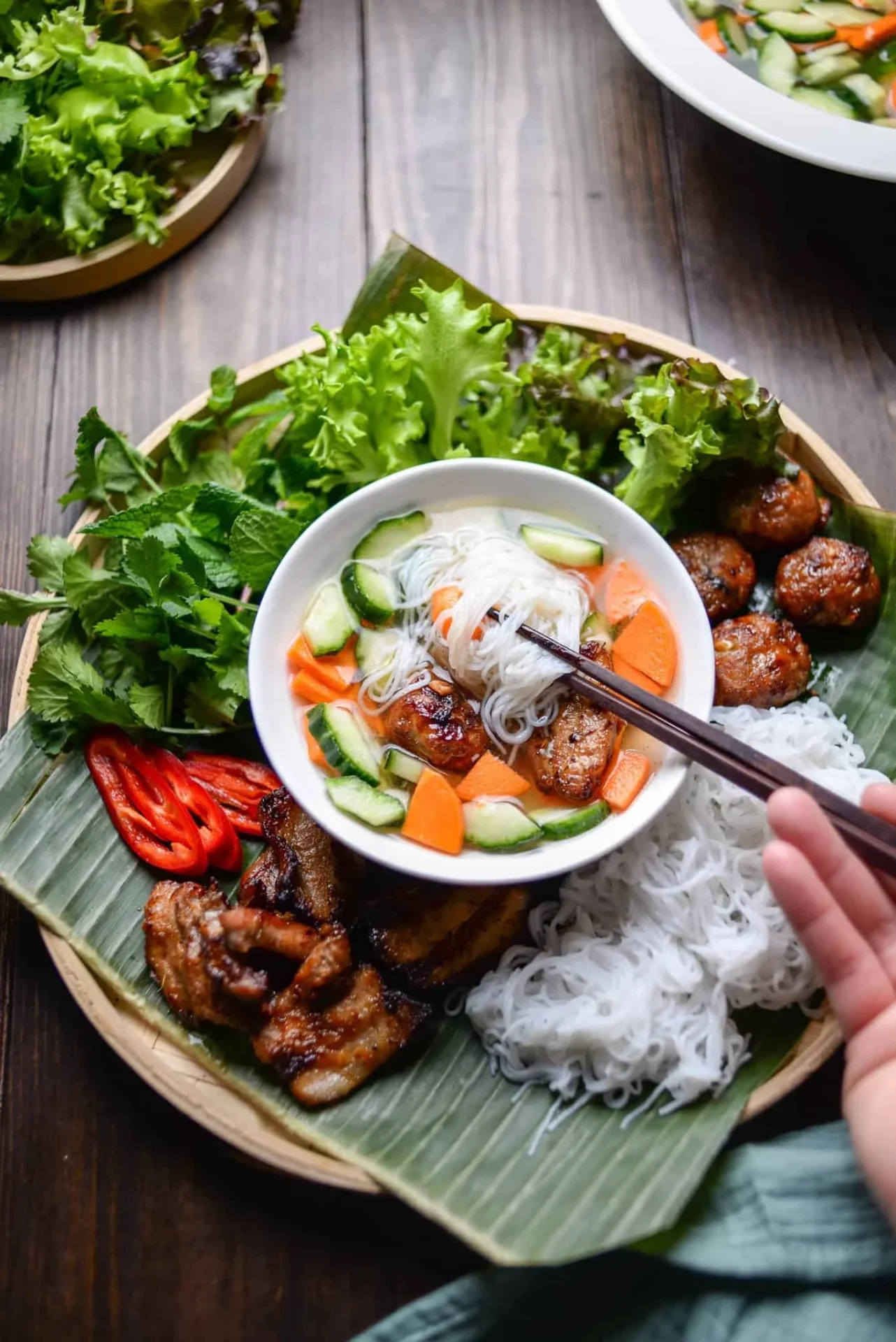
Bun Cha is Hanoi’s gift to the culinary world – grilled pork patties and slices served in a sweet-sour dipping sauce, accompanied by rice noodles and fresh herbs. You dip each bite into the sauce, creating your own flavor balance. This dish gained international fame when President Obama dined on it with Anthony Bourdain during his visit to Hanoi.
Mi Quang hails from central Vietnam, specifically Quang Nam province. Unlike soupy noodle dishes, Mi Quang features thick, yellow noodles with just enough broth to coat them, topped with shrimp, pork, quail eggs, roasted peanuts, and crispy rice crackers. The combination of textures and the vibrant yellow color make it visually striking and delicious.

Bun Bo Hue represents the spicy side of Vietnamese cuisine. This beef and pork noodle soup from the former imperial capital includes lemongrass, fermented shrimp paste, and plenty of chili oil, resulting in a bold, complex flavor that stands apart from the gentler pho.

Goi Cuon and Nem Ran
These two dishes represent the “fresh” and “fried” sides of Vietnamese spring rolls.
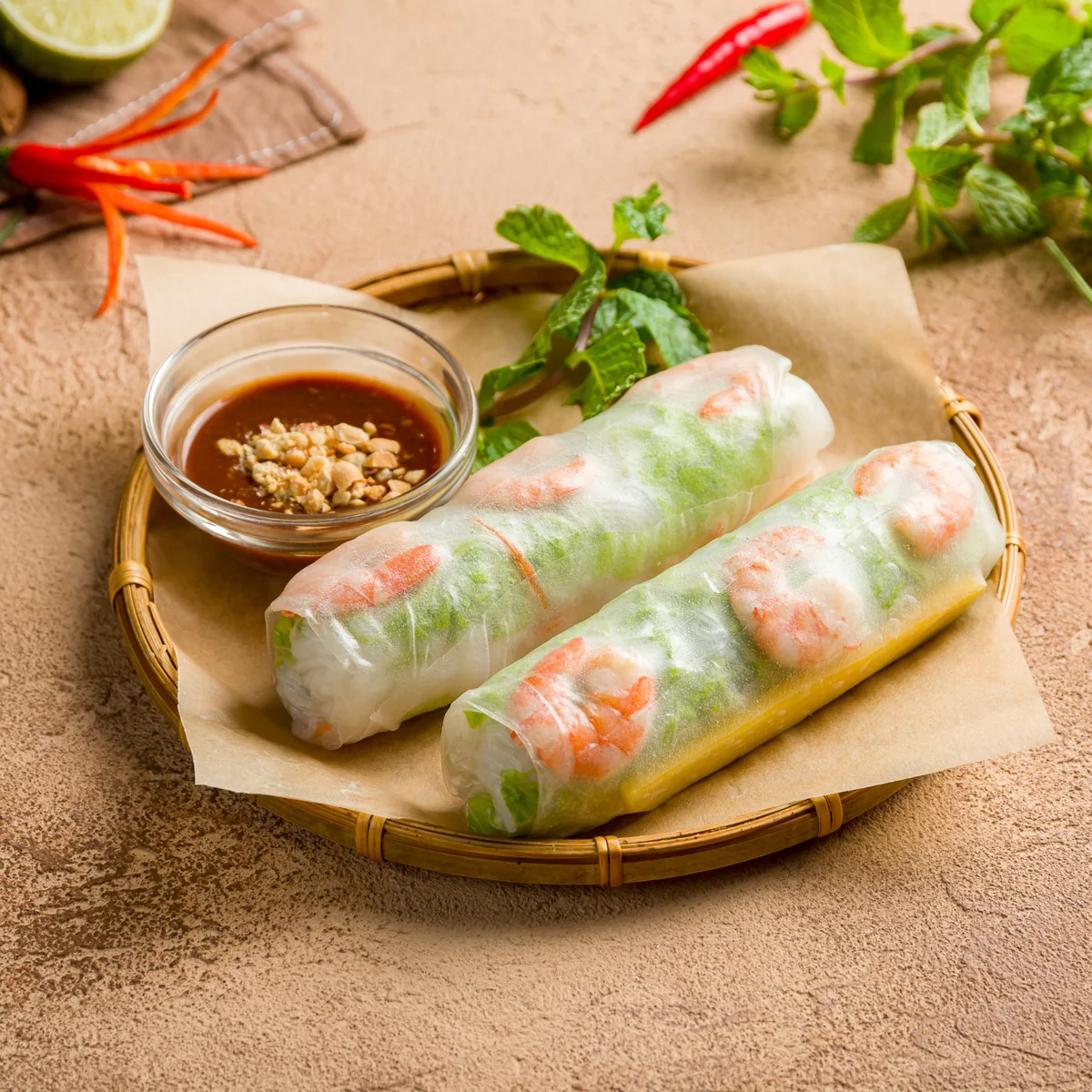
Goi cuon (fresh spring rolls) are translucent rice paper wraps filled with shrimp, pork, rice noodles, and aromatic herbs. They’re served cold with peanut-hoisin dipping sauce, offering a light, healthy option that’s perfect for hot days. Making them requires skill – the rice paper must be properly moistened, and the filling needs to be wrapped tightly enough to hold together but not so tight that the delicate wrapper tears.
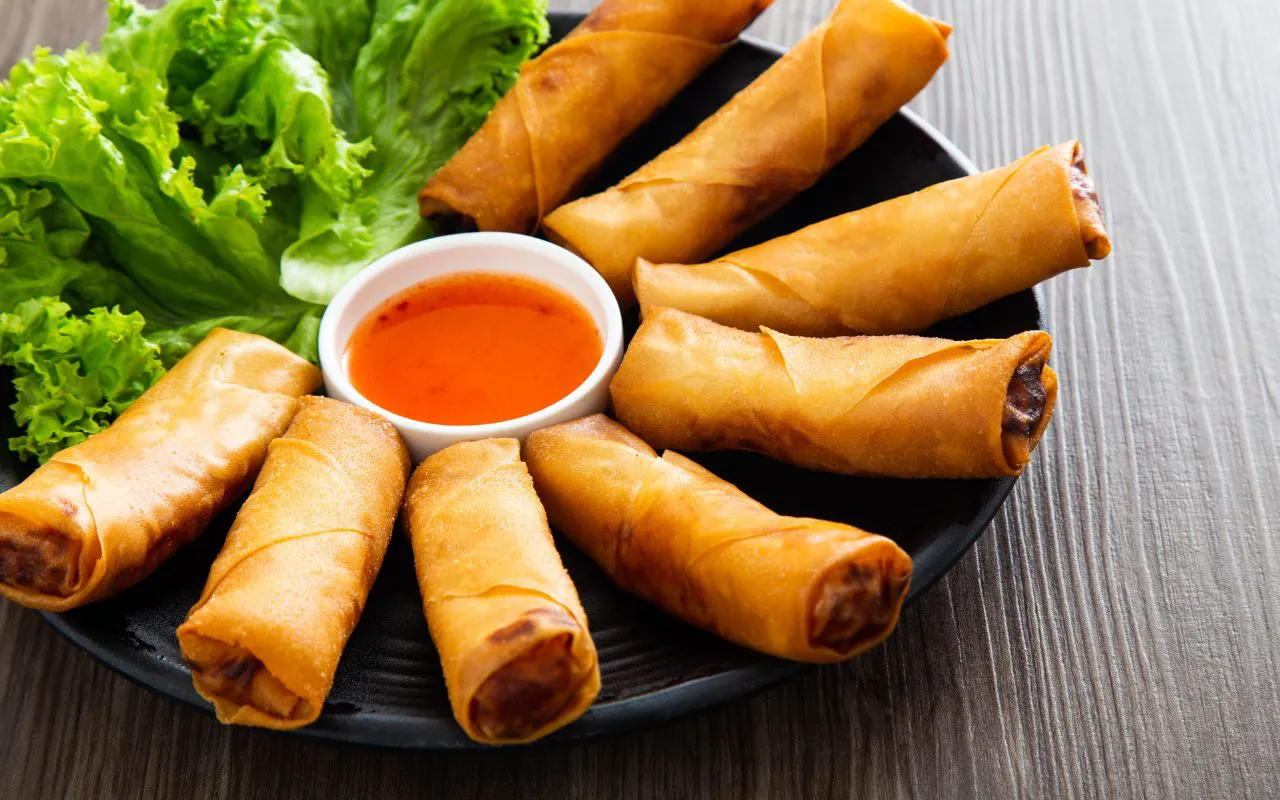
Nem ran (called cha gio in the south) are deep-fried spring rolls with a crispy golden exterior and a savory filling of ground pork, mushrooms, and vegetables. While they’re richer than their fresh counterparts, the crunch and warmth make them irresistible, especially when wrapped in lettuce with herbs and dipped in nuoc mam (fish sauce).
Sweet Street Snacks
Vietnam’s sweet treats deserve their own category. Che is a generic term for sweet soups and puddings served hot or cold, with countless variations incorporating beans, jellies, fruits, and coconut milk. On a sweltering day, nothing beats a glass of icy che filled with layers of colorful ingredients.
Banh trang nuong (grilled rice paper pizza) is a modern street food innovation popular with young people. A rice paper cracker is grilled over charcoal and topped with quail eggs, dried shrimp, green onions, and various sauces, then folded and eaten like a crispy crepe.

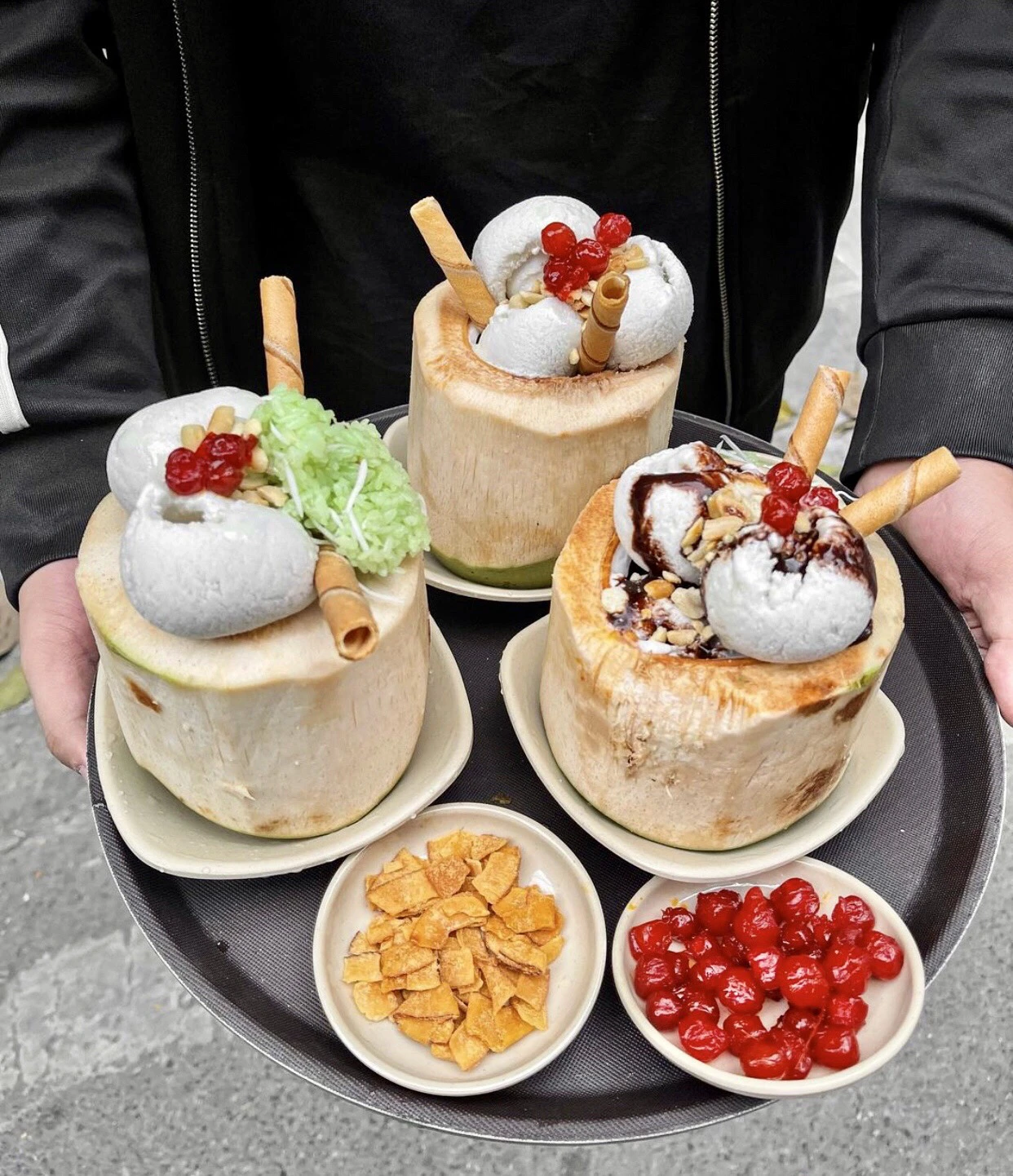
Kem dua (coconut ice cream) served in a fresh coconut shell and nuoc mia (sugarcane juice) pressed fresh from stalks right before your eyes are quintessential Vietnamese street refreshments that provide sweet relief from the tropical heat.
Best Cities to Explore Vietnam Street Food
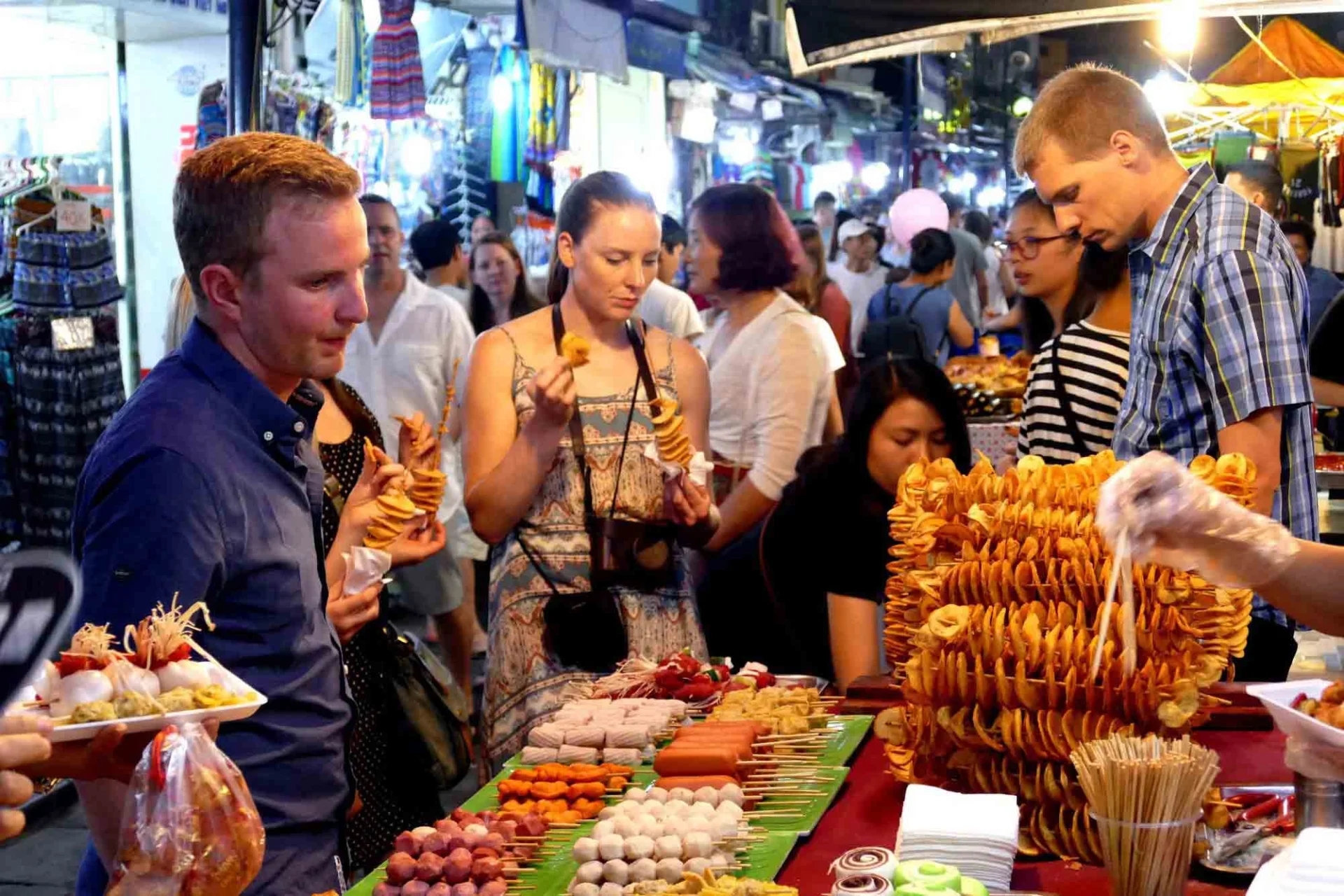
Hanoi – Where Tradition Meets Simplicity
Hanoi’s street food is characterized by subtlety and refinement. The flavors tend to be lighter and clearer compared to other regions, allowing the quality of individual ingredients to shine through. This reflects the northern Vietnamese preference for balance and restraint in cooking.
Start your culinary journey in the Old Quarter, where streets are still named after the products traditionally sold there. Ta Hien Street comes alive at night with beer and grilled dishes, while Dong Xuan Market offers countless options from early morning until late at night. Hang Buom Street is famous for its pho and bun cha, with vendors who have been serving the same recipes for generations.
The best time to experience Hanoi street food is early morning, when locals grab their breakfast pho, or evening, when the streets fill with people unwinding after work.
Hue – The Royal Taste of Central Vietnam
As the former imperial capital, Hue’s street food carries an air of sophistication and complexity. The presentation is more elaborate, the flavors are bolder, and the spice level is noticeably higher than in northern Vietnam.
Signature dishes include bun bo Hue (mentioned earlier), banh beo (steamed rice cakes topped with shrimp and pork cracklings), and banh loc (translucent dumplings filled with shrimp and pork). These dishes often require intricate preparation techniques developed in royal kitchens and later adapted by commoners.
The royal influence means that even street food in Hue pays attention to visual presentation. Colors, arrangements, and garnishes are chosen not just for taste but also for aesthetic appeal.
Ho Chi Minh City – Dynamic Southern Flavors
Ho Chi Minh City (still affectionately called Saigon by many) offers the most diverse and dynamic street food scene in Vietnam. The southern preference for sweeter, richer flavors is evident in everything from the coffee to the noodle soups.
Must-try dishes include pha lau (offal stew), hu tieu go (a unique dry noodle dish knocked together in the bowl), com tam (broken rice with grilled pork), and banh trang tron (mixed rice paper salad with dried beef, quail eggs, and various toppings).
The city’s street food reflects its history as a trading hub, with influences from Chinese, Cambodian, and even French cuisines blending seamlessly with Vietnamese traditions. The energy is palpable – vendors operate from dawn until well past midnight, and the scene feels more commercial and fast-paced compared to the more traditional atmospheres of Hanoi or Hue.
Vietnam Street Food vs. Other Famous Street Food Cultures
Vietnam vs. Thailand
Both countries offer incredible street food, but the approaches differ significantly. Thai street food tends toward more intense flavors – dishes are often very spicy, very sweet, or very sour, sometimes all at once. Think of Pad Thai with its tamarind-sugar balance or Tom Yum soup with its aggressive heat and sourness.
Vietnamese street food, by contrast, emphasizes freshness and subtlety. Dishes typically include abundant fresh herbs and vegetables, with lighter use of oil. The Vietnamese approach favors balance over intensity, allowing diners to adjust flavors themselves with condiments rather than presenting finished, fixed flavors.
Vietnam vs. South Korea
Korean street food culture features many fried and heavily sauced items. Tteokbokki (spicy rice cakes) and odeng (fish cakes) are swimming in bright red chili sauce, while dishes like Korean fried chicken emphasize crispy, indulgent textures.
Vietnam offers more variety in cooking methods and flavor profiles. While fried foods exist (like nem ran), fresh preparations like goi cuon and light soups like pho are equally important. The Vietnamese emphasis on dipping sauces (especially nuoc mam-based ones) and fresh vegetables creates a lighter, more refreshing eating experience.
Vietnam vs. Japan
Japanese street food is often associated with festivals and special occasions. Dishes like takoyaki, yakitori, and okonomiyaki are expertly prepared with attention to detail and presentation. However, prices tend to be higher, and the overall experience feels more curated.
Vietnamese street food is deeply embedded in daily life rather than being special-occasion fare. It’s affordable, accessible, and unpretentious. The social aspect – sitting together, chatting with vendors who remember your preferences – creates a sense of community that’s harder to find in Japan’s more structured society.
Vietnam vs. China
Chinese street food varies dramatically by province, from Sichuan’s numbing spices to Cantonese dim sum. Generally, Chinese dishes tend to use more oil and feature bolder, more robust flavors.
Vietnamese street food prioritizes freshness and cleanliness, with lighter preparations that let ingredients speak for themselves. While both cultures share ancient culinary traditions and some similar dishes (due to China’s historical influence), Vietnamese food has maintained a more rustic, unpretentious character. The abundant use of fresh herbs in Vietnamese cuisine also sets it apart from most regional Chinese styles.
Tips for Enjoying Street Food in Vietnam
Choose Busy Stalls with Local Customers
The best indicator of quality and safety is a crowd of Vietnamese people. If locals are eating there, especially families with children, it’s a good sign. High turnover means fresh ingredients and food that doesn’t sit around.
Carry Cash
Most street vendors operate on a cash-only basis. ATMs are widespread in cities, but it’s wise to carry small denominations (20,000 and 50,000 VND notes) for easier transactions. Some vendors may not have change for large bills.
Be Cautious with Certain Foods
While most street food is safe, exercise caution with raw seafood, unpasteurized dairy, and food that’s been sitting uncovered in the sun. Cooked-to-order dishes are generally the safest bet. If your stomach is sensitive, avoid ice in drinks for the first few days.
Learn Basic Vietnamese Phrases
Even a few words will enhance your experience immensely:
- “Cho em một bát phở” (Give me one bowl of pho)
- “Cảm ơn cô/chú” (Thank you, aunt/uncle – respectful way to address vendors)
- “Bao nhiêu tiền?” (How much?)
- “Ngon quá!” (So delicious!)
Vendors appreciate the effort and may share extra insights about their food or give you a slightly larger portion.
Explore Night Markets
Cities like Da Lat, Hoi An (at Hue), and Ho Chi Minh City (Ben Thanh Night Market) offer concentrated street food experiences in night market settings. These venues are tourist-friendly while still maintaining authentic flavors, making them perfect for first-timers.
Frequently Asked Questions (FAQ)
Is Vietnam street food safe to eat?
The vast majority of street food in Vietnam is safe, especially if you choose clean, busy establishments. Food poisoning is less common than many travelers fear. Look for vendors who maintain clean workspaces, use fresh ingredients, and cook food thoroughly. Trust your instincts – if something looks or smells off, move on to another stall.
How much does street food in Vietnam cost?
Vietnam street food is incredibly affordable. A substantial meal typically costs between 20,000–50,000 VND (approximately $1–$2 USD). More elaborate dishes or those with premium ingredients might reach 70,000–100,000 VND, but this is still remarkably cheap by international standards. A coffee might cost 15,000–25,000 VND, and snacks like banh mi start around 15,000 VND.
What time is best to explore street food in Vietnam?
The golden hours are early morning (6:00–9:00 AM) and evening (6:00–10:00 PM). Breakfast is a major meal in Vietnam, so morning is perfect for pho, banh mi, and various noodle soups. Evening brings the most energy and variety, as vendors set up along sidewalks and people gather after work. Some late-night spots operate until 2:00 AM, particularly in larger cities.
Can vegetarians enjoy Vietnam street food?
Absolutely! Vietnam has a strong Buddhist tradition, which means vegetarian (chay) food is widely available. Most major dishes have vegetarian versions: pho chay, bun chay, banh xeo chay (sizzling crepes), and goi cuon chay. The 1st and 15th days of the lunar month are traditional vegetarian days, so finding chay food becomes even easier. Always clarify “an chay” (eat vegetarian) and specify “khong thit, khong ca” (no meat, no fish) to avoid confusion.
What’s the difference between street food in Hanoi and Saigon?
The differences reflect broader north-south cultural variations. Hanoi street food favors lighter, more delicate flavors with less sweetness and fewer condiments. Dishes are often served with minimal garnishes, focusing on the quality of the main components.
Saigon (Ho Chi Minh City) street food is sweeter, richer, and more diverse due to the region’s agricultural abundance and historical role as a trading port. Vendors tend to offer more garnishes and condiments, allowing diners to customize flavors. The southern approach is generally more relaxed and experimental, while the northern style maintains traditional recipes more strictly.
Conclusion: Taste Vietnam’s Soul, One Bite at a Time
Vietnam’s street food culture represents far more than just inexpensive meals. It’s a window into the country’s soul – its history, its values, its regional identities, and its people’s remarkable ability to create extraordinary flavors from simple ingredients.
From the smoky grill of Hanoi where bun cha sizzles over charcoal to the bustling stalls of Saigon where vendors juggle dozens of orders simultaneously, every bite tells a story. These stories speak of grandmothers passing recipes to grandchildren, of regional pride expressed through signature dishes, and of a culture that believes eating together strengthens the bonds of community.
The beauty of Vietnam street food lies not just in its incredible tastes but in its accessibility. You don’t need reservations, formal attire, or a fat wallet. All you need is curiosity, an appetite, and a willingness to sit on a tiny plastic stool and embrace the experience fully.
So when you find yourself in Vietnam, resist the urge to play it safe in air-conditioned restaurants. Step out into the streets, follow your nose, sit where the locals sit, and let yourself be swept up in the vibrant, delicious chaos of Vietnam’s street food scene.
Ready to experience authentic Vietnamese flavors? Join our Vietnam Tour and eat like a local! From hidden alleyway gems to legendary vendors, we’ll guide you through an unforgettable culinary journey that will forever change how you think about food.
Contact Details:
- Website: aravindatravel.com
- Facebook: Aravinda Travel – Loyal DMC in South East Asia
- Email: info@aravindatravel.com
- 24/7 Hotline: +84989383572