
Vietnam is a country where culture is deeply woven into everyday life, and one of the best ways to experience it is through Vietnam Festivals. These celebrations reflect the nation’s history, beliefs, and traditions, offering travelers a unique perspective beyond typical sightseeing.
From nationwide holidays to regional spiritual events, each Vietnam Festival brings its own meaning and atmosphere. Whether you are exploring bustling cities or peaceful countryside, festivals provide unforgettable cultural moments.
I. What is a Vietnam Festival?
A Vietnam Festival is often linked to historical events, religious beliefs, or seasonal cycles. Many festivals follow the lunar calendar and include rituals, offerings, performances, and community gatherings.
For travelers, these events are more than just celebrations — they are opportunities to connect with local traditions and experience Vietnam in a more authentic way.
1. New Year’s Day Celebration
Celebrated on January 1st, this marks the beginning of the Western New Year. Major cities host fireworks, countdown events, and lively street celebrations. While not as traditional as Tet, it still reflects Vietnam’s modern lifestyle.

2. Tet Holiday – Vietnamese New Year
Tet is the most important Vietnam Festival, symbolizing renewal and family unity. People return to their hometowns, clean their houses, and honor ancestors. The atmosphere is both festive and deeply meaningful.
3. Perfume Pagoda Festival
This is one of the largest spiritual Vietnam Festivals, attracting pilgrims from across the country. Visitors travel by boat and hike through scenic landscapes to reach sacred temples. It is both a cultural and spiritual journey.

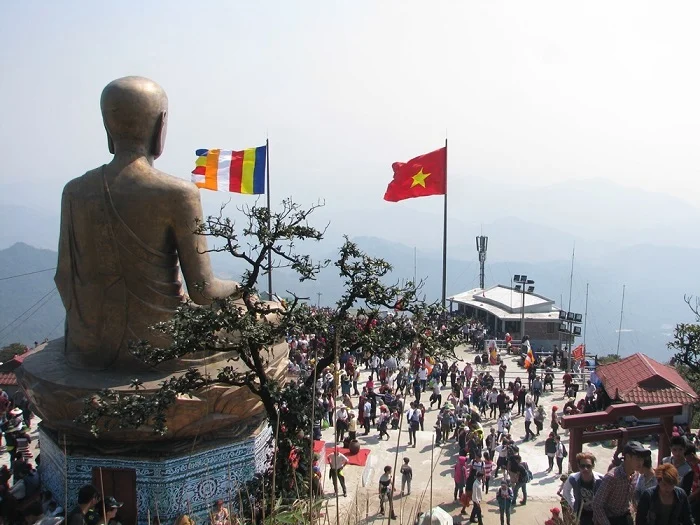
4. Yen Tu Festival
Held on Yen Tu Mountain, this festival is an important Buddhist pilgrimage. Visitors climb to ancient pagodas and enjoy peaceful natural surroundings. It reflects the spiritual side of Vietnamese culture.
5. Lim Festival in Bac Ninh
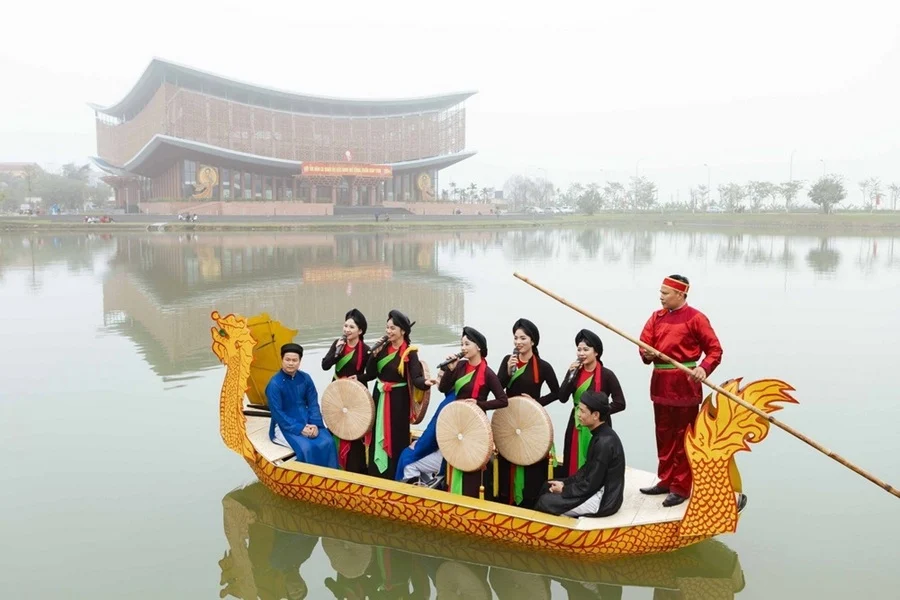
Known for Quan Ho folk singing, this festival celebrates northern traditions. Performers sing in traditional costumes, often on boats or village courtyards. It offers a charming cultural experience.
6. International Women’s Day
Celebrated on March 8th, this day honors women across Vietnam. Flowers and gifts are commonly given, and events are organized nationwide. It highlights respect for women in society.

7. Chol Chnam Thmay – Khmer New Year
This Vietnam Festival is celebrated by the Khmer community in southern Vietnam. It includes rituals, dances, and traditional games. The event reflects the diversity of Vietnamese culture.

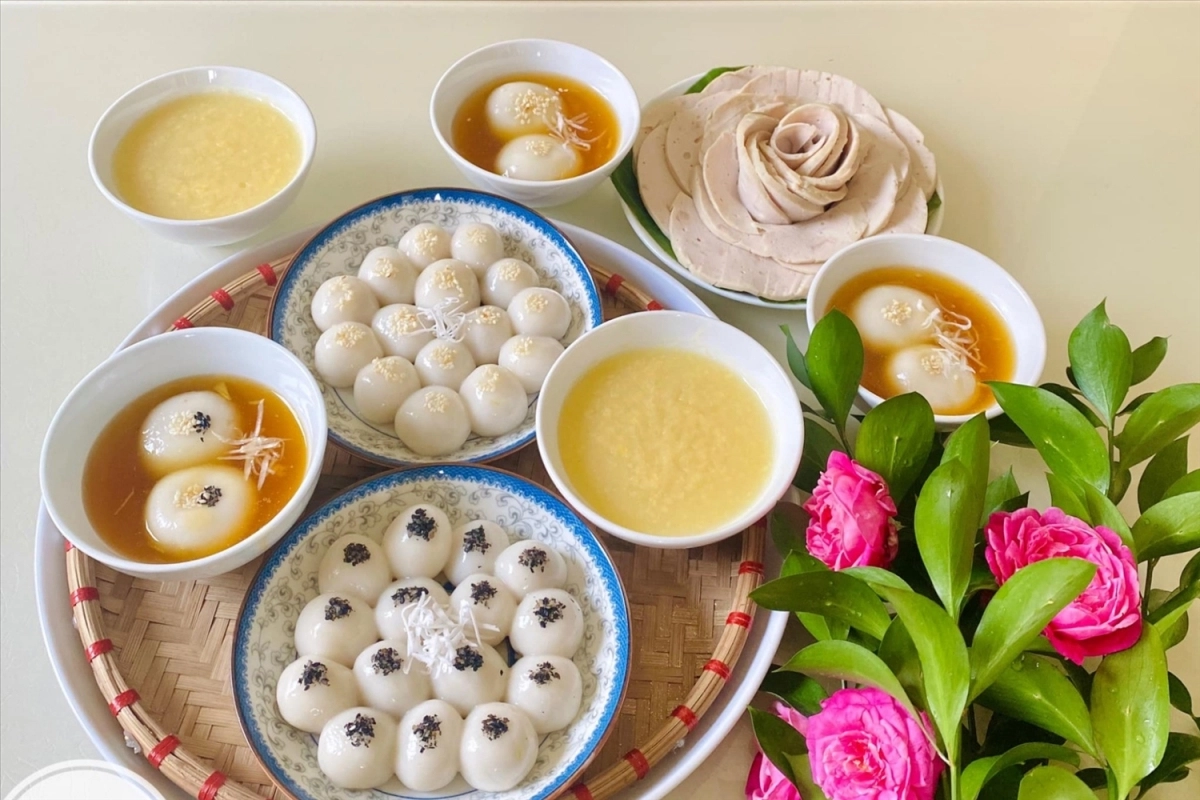
8. Tet Han Thuc – Cold Food Festival
Families prepare traditional dishes like glutinous rice balls. The festival is linked to honoring ancestors. It is a quiet but meaningful cultural tradition.
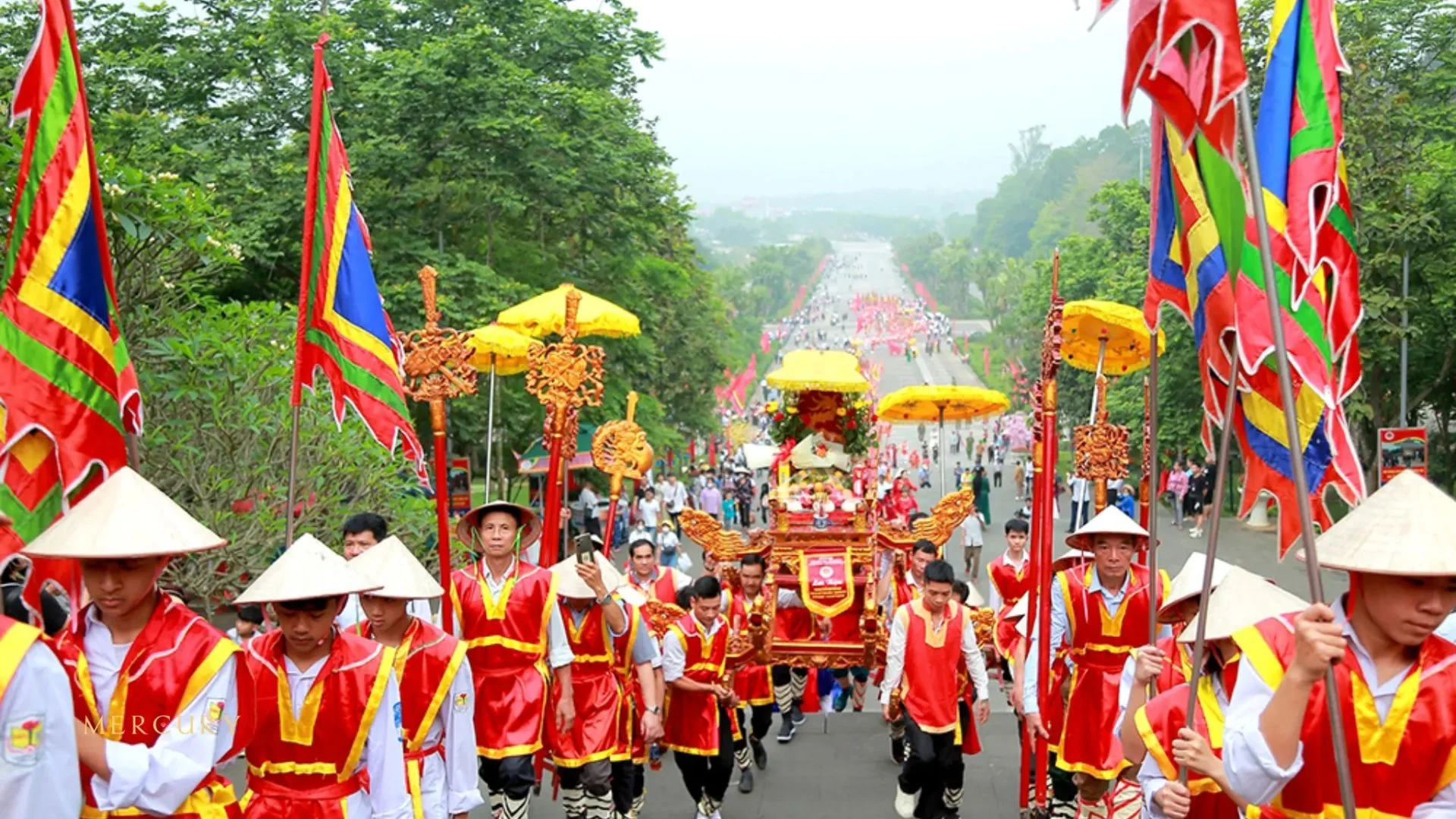
9. Anniversary of Hung Kings’ Death
This national holiday commemorates Vietnam’s founding kings. People visit temples to offer incense and pay respect. It symbolizes unity and national pride.
10. Reunification Day
Celebrated on April 30th, this marks the reunification of Vietnam. Parades and events take place across the country. It is an important historical Vietnam Festival.

11. International Labour Day
Observed on May 1st, this day honors workers. It is often combined with Reunification Day for a long holiday. Many people travel during this time.
12. Vesak – Buddha’s Birthday
A major Buddhist festival is celebrated nationwide. Temples hold ceremonies, and devotees make offerings. It is one of the most spiritual Vietnam Festivals.
13. Doan Ngo Festival
Also known as the “killing pests festival,” it takes place in early summer. Traditional foods are eaten to promote health. It reflects ancient agricultural beliefs.
14. Vietnam Independence Day
Celebrated on September 2nd, this marks the country’s independence. Flags and celebrations fill the streets. It is a proud national holiday.

15. Vu Lan Feast
This festival honors parents and ancestors. Many people visit temples to pray for their families. It reflects strong family values in Vietnamese culture.
16. Ghost Festival (Wandering Souls Day)
This Vietnam Festival is dedicated to spirits and ancestors. Offerings are made to wandering souls. It carries deep spiritual meaning.
17. Mid-Autumn Festival
A joyful celebration with lanterns, mooncakes, and performances. It is especially loved by children. Streets become lively and colorful.

18. Liberation Day of Hanoi
This marks the liberation of Hanoi in 1954. Events are held in the capital. It is both historical and symbolic.
19. Sene Dolta Festival
A Khmer festival honoring ancestors. Families gather to make offerings. It is deeply spiritual and cultural.
20. Vietnamese Women’s Day
Celebrated on October 20th, this day honors women nationwide. Gifts and flowers are commonly given. It reflects appreciation for women’s roles.
21. Vietnamese Teachers’ Day
Held on November 20th, this festival honors educators. Students show gratitude through gifts and performances. It highlights respect for education.
22. Ooc Om Bok Festival
A Khmer moon festival celebrated in the Mekong Delta. It includes boat races and offerings. The atmosphere is lively and festive.
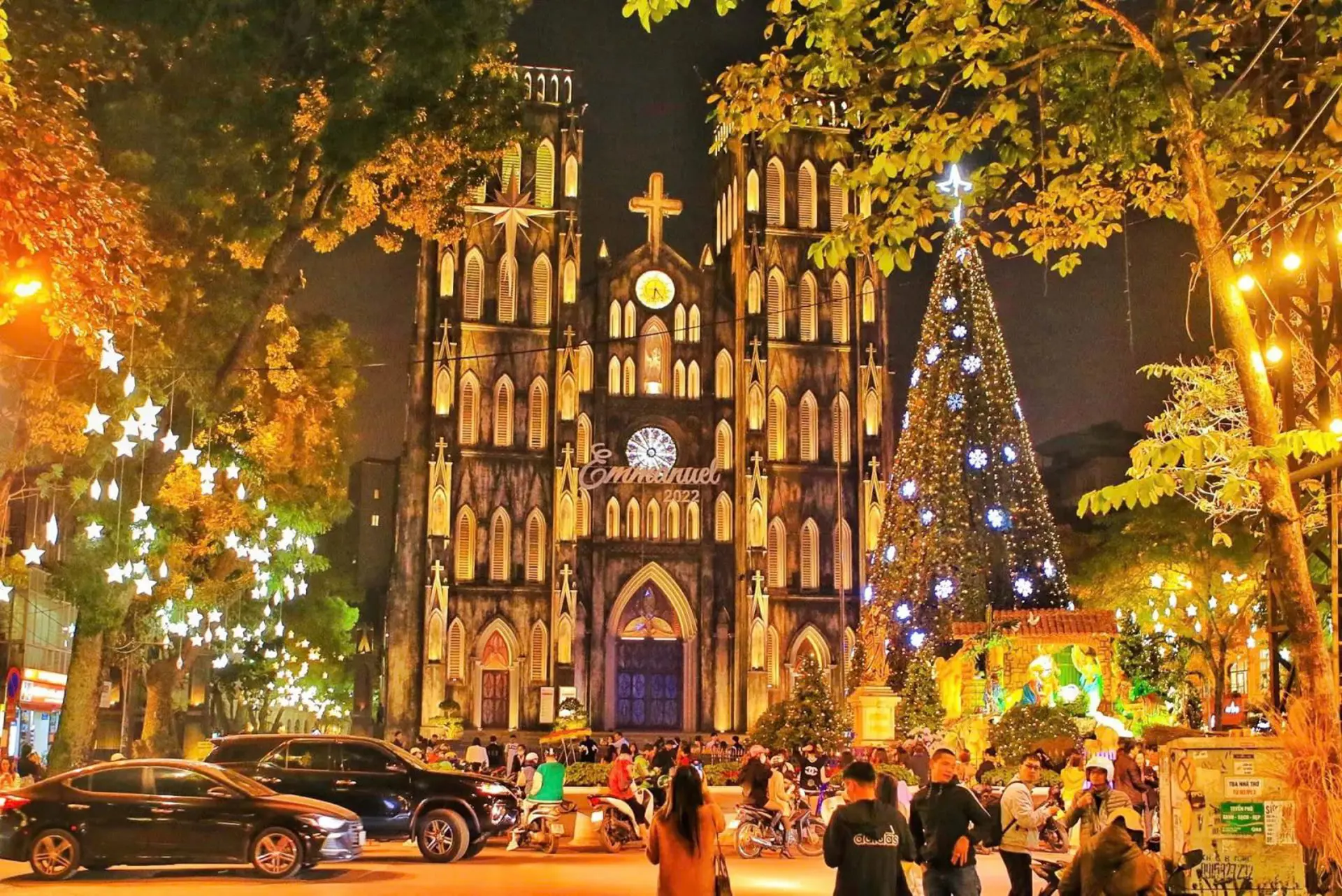
23. Christmas
Although not traditionally Vietnamese, Christmas is widely celebrated in cities. Streets are decorated, and churches hold services. It reflects cultural diversity.
II. Experiencing Vietnam Festivals as a Traveler
The finest way to engage with any Vietnam festival is not as a spectator but as a participant. Accept the invitation to join a family for a Tết meal. Light incense at a temple alongside pilgrims. Try the festival foods — bánh chưng at Tết, mooncakes in autumn, the regional specialties that appear only at particular celebrations. Listen to Quan Họ singers and allow the music to work on you without translation.
Festival cuisine alone is worth planning a trip around. Vietnam’s culinary traditions are at their most elaborate and most regional during festivals — dishes appear that are prepared nowhere else at any other time of year, made according to family recipes passed down through generations.
Cultural performances — folk music, traditional dance, ritual theatre — offer another layer of access. Many festivals welcome respectful observers, and a smile, a bow, and a genuine expression of interest will open more doors than any guidebook.
III. Travel Tips for Attending Vietnam Festivals
Plan your trip around the lunar calendar and verify dates for the specific year you intend to travel. Book accommodation and transport well in advance — demand during major Vietnam festivals, particularly Tết, is intense and prices rise significantly. Dress modestly, particularly at temple-based events. Follow the lead of those around you, remove shoes when entering sacred spaces, and engage with genuine curiosity rather than performance.
Expect crowds at the most popular festivals, and embrace them. The density of people, the noise, the color, the shared energy — this is not an inconvenience. It is the festival itself.
IV. Conclusion
Vietnam festivals are not events you attend — they are experiences that attend to you, leaving something changed in their wake. Each celebration, whether an ancient pilgrimage through mountain fog or the glow of lanterns on a river at midnight, tells a story of how people understand themselves: their history, their beliefs, their relationship with the land and with one another.
To travel through Vietnam during its festival season is to encounter the country at its most honest and most generous. It asks only that you arrive with intention, with respect, and with a willingness to be moved.
Travel with curiosity. Discover Vietnam not just through its landscapes, but through its living traditions — the ones that have endured for centuries and continue, with every new year, to light the way forward. Festivals in Vietnam always reflect a strong sense of national identity. Experiencing these festivals is incredibly fascinating and can sometimes be a unique and fortunate opportunity for international visitors. Plan ahead, book your transportation in advance, and Aravinda Travel do the rest.
Your journey will be smoother with the support of Aravinda Travel. We will design a perfect itinerary, personalize your trip, and provide you with the most exceptional experiences.
Contact Aravinda Travel to begin your journey:
- Website: aravindatravel.com
- Facebook: Aravinda Travel – Loyal DMC in South East Asia
- Email: info@aravindatravel.com
- 24/7 Hotline: +84 989 383 572