
I. General Introduction to the Temple of Literature Hanoi
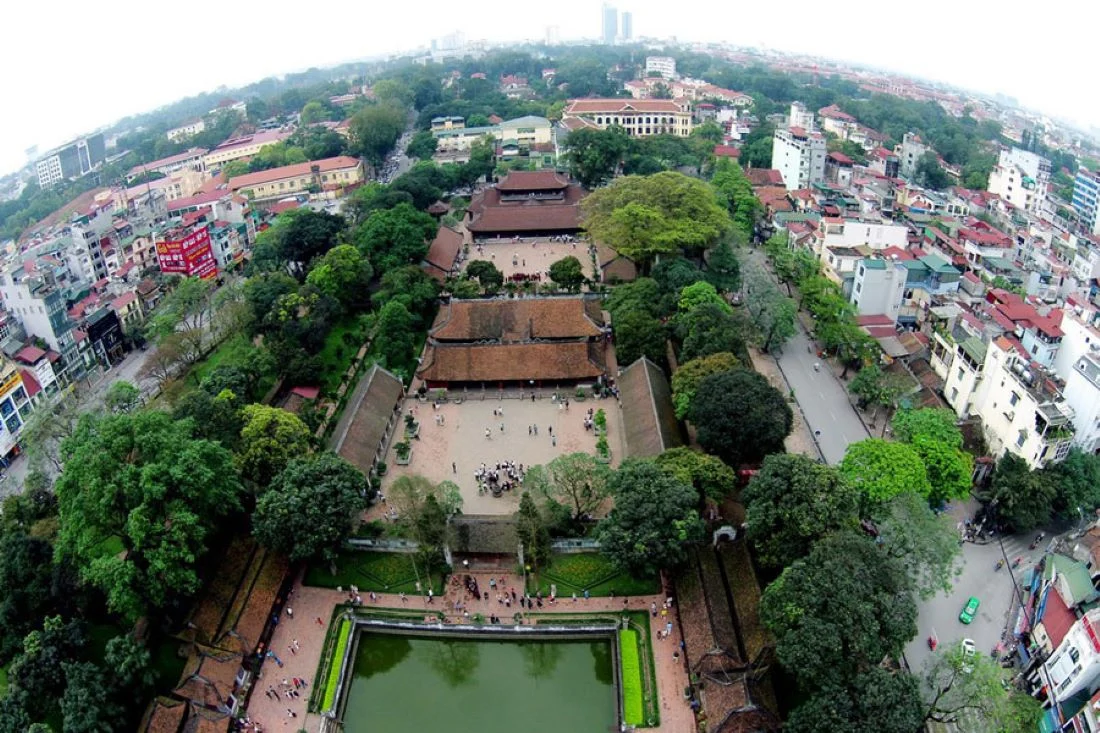
Built in the 11th century, the Temple of Literature in Hanoi is a long-standing symbol of intellect and the first university in Vietnam. Not only is it a masterpiece of Confucian architecture, but it also venerates enlightened rulers who made significant contributions to the nation’s education system.
With its rich history, the Temple of Literature in Hanoi officially became a national monument in 1962. Notably, the system of 82 doctoral steles here has been recognized by UNESCO as a world documentary heritage. Today, this site remains a leading cultural destination, honoring outstanding students and preserving the nation’s traditional values.
II. The History of the Temple of Literature Hanoi
The story of the Temple of Literature Hanoi began in 1070 under King Ly Thanh Tong, originally serving as a sanctuary for Confucian worship. By 1076, the Imperial Academy (Quoc Tu Giam) was added to the grounds. While it started as an elite school for royals, a significant shift occurred in 1253 when the academy began welcoming gifted commoners from across the country, democratizing education in Vietnam.
A defining era for the site was the 14th century, when the revered scholar Chu Van An was appointed as its director. His leadership established a moral and intellectual benchmark for generations of Vietnamese scholars. Through centuries of change, the Temple of Literature Hanoi has remained the nation’s premier symbol of wisdom, nurturing the talents who built and protected the country.
III. The Distinctive Architecture of the Temple of Literature Hanoi
Spanning over 54,300 m², the Temple of Literature Hanoi is a masterpiece of ancient Vietnamese art. Enclosed by traditional brick walls from the late Le Dynasty, the complex follows a symmetrical north-south axis, blending imperial aesthetics with a cozy, intimate atmosphere unique to Vietnam’s 17th-19th century craftsmanship. The complex is divided into distinct spaces that lead visitors through a journey of history and soul:
Ho Van Lake & The Giam Garden: Right in front of the main gate lies Ho Van Lake, where the Phan Thuy Duong pavilion sits peacefully on a central hill. Nearby, the Giam Garden offers a lush green escape with its ancient octagonal house, acting as a quiet bridge between modern Hanoi and this historic sanctuary.

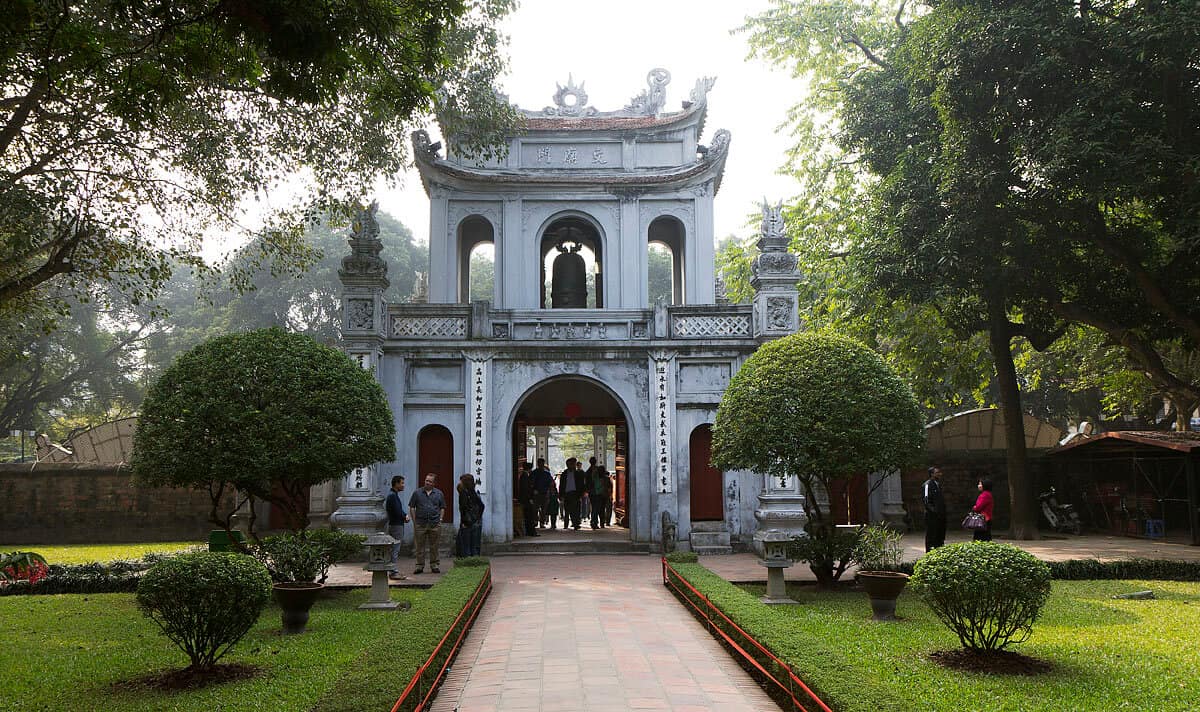
The Initial Courtyards: Entering through the Van Mieu Mon—famed for its “carp transforming into a dragon” reliefs—you pass through gates representing Virtue and Talent (Thanh Duc and Dat Tai), marking the symbolic start of a scholar’s path.
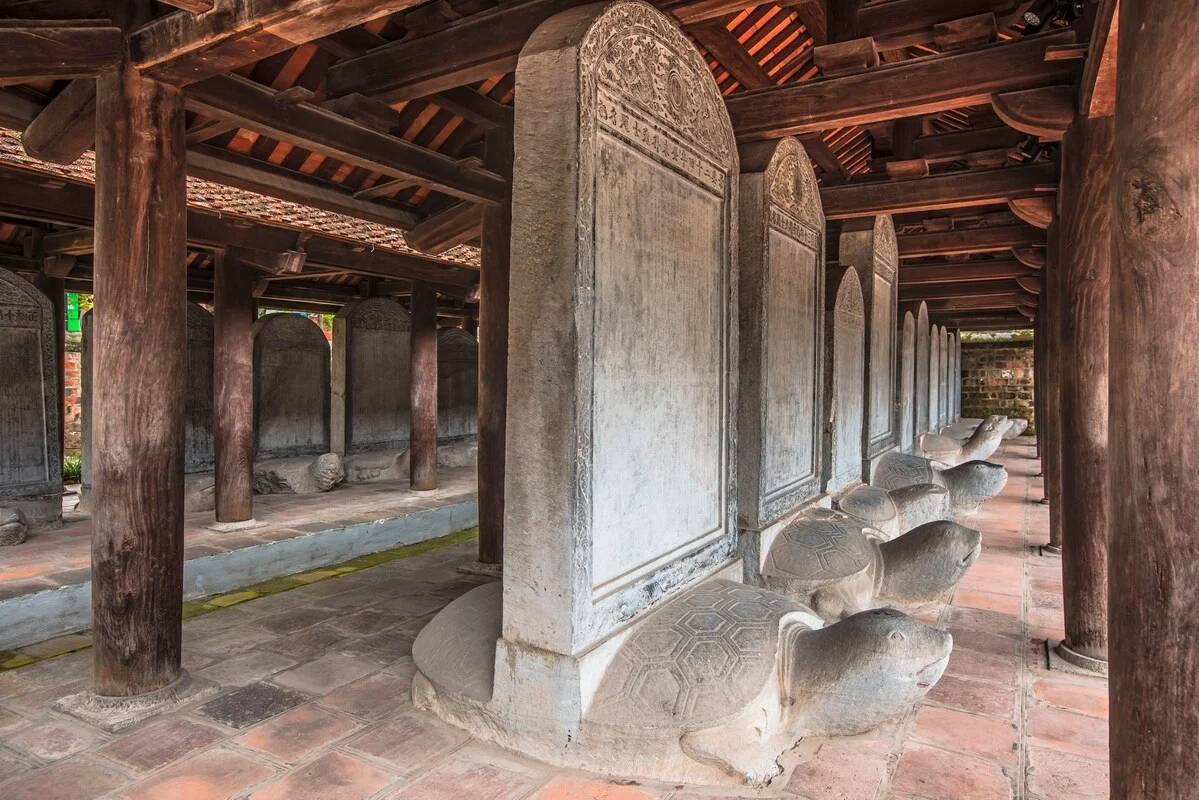
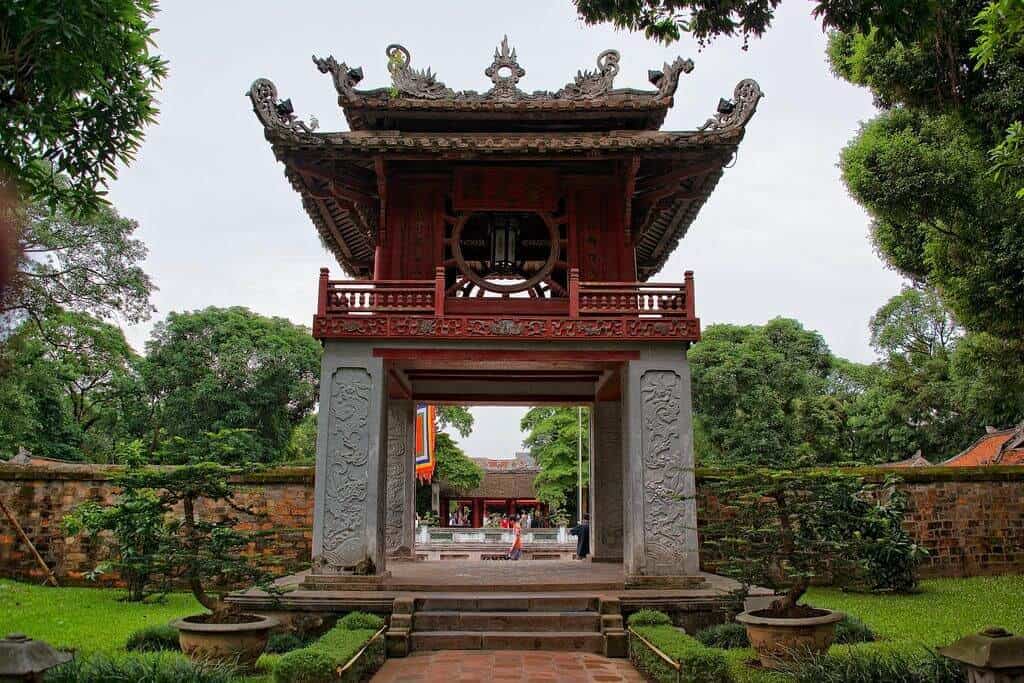
The Heart of Knowledge (Khue Van Cac & Doctoral Steles): At the center stands the Khue Van Cac pavilion, the iconic symbol of the capital. It faces the Thien Quang Well, creating a balance of “Heaven and Earth.” Surrounding this are 82 UNESCO-recognized stone steles resting on turtles, carved with the names of Vietnam’s top ancient scholars.
The Solemn Sanctuary & Imperial Academy: The final sections house the Great Hall (Dien Dai Thanh), a place of worship for Confucius with gilded ironwood columns. Your journey concludes at the Imperial Academy (Khu Thai Hoc), a beautifully restored area honoring the great teacher Chu Van An and the three visionary kings who founded this cradle of Vietnamese education: Ly Thanh Tong, Ly Nhan Tong, and Le Thanh Tong. Standing in this sacred space, you can truly feel the centuries-old respect for knowledge that remains at the heart of Vietnamese culture.
IV. Must-Try Experiences at the Temple of Literature Hanoi
A visit to the Temple of Literature Hanoi is more than just a sightseeing trip; it’s an immersive dive into the soul of Vietnamese scholarship. Here is how you can truly connect with the site’s heritage:
Explore Vietnam’s First University: Start your walk at the Van Mieu Mon and let the path lead you through the symbolic gates of virtue and talent. From admiring the iconic Khue Van Cac to witnessing the 82 UNESCO-recognized Doctoral Steles, you will uncover the cradle of Confucianism that nurtured the nation’s greatest minds for centuries.
Immerse in Local Cultural Traditions: Beyond the history, you can participate in meaningful local customs. During the Lunar New Year, don’t miss the chance to ask for a piece of calligraphy—a tradition believed to bring academic success and good fortune. Many students also visit to offer incense, praying for smooth exams. For a more hands-on experience, you can join heritage workshops like traditional bookmaking or browse for exquisite Khue Van Cac models and handicrafts as meaningful keepsakes.

Capture the Scholarly Atmosphere: With its tranquil gardens and ancient, moss-covered brickwork, every corner here is a perfect backdrop for photography. Whether you are in traditional attire or casual wear, the serene and intellectual vibe of the temple ensures you’ll leave with stunning photos that capture the essence of old Hanoi.
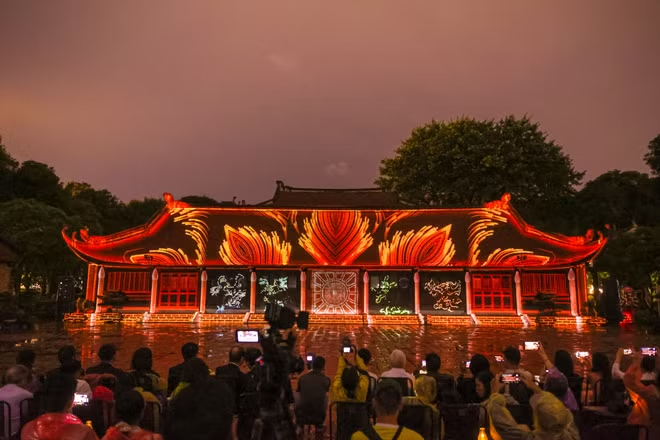
Experience the “Tinh Hoa Dao Hoc” Night Tour: For a completely different perspective, join the night tour between 6:30 PM and 9:30 PM. This emotional journey uses light and sound to tell stories of ancient scholars. The highlight is the 3D mapping show at 7:45 PM or 8:45 PM, a breathtaking display honoring the Vietnamese tradition of respecting teachers and valuing talent.
- Entrance Fee: Approx. 7.56 USD (Free for children under 1 meter).
V. Information you need to know when visiting the Temple of Literature Hanoi
1. Location & How to Get There
The Temple of Literature Hanoi is located at 58 Quoc Tu Giam Street, just 2-3 km from Hoan Kiem Lake. Bordered by four major streets, it is easily accessible via several transport options:
| Mode of Transport | Estimated Fare (USD) | Best For |
| Public Bus (02, 23, 25, 38, 41) | 0.27 – 0.34 USD | Budget travelers |
| Double-decker Bus | 5.69 – 11.39 USD | City sightseeing |
| Motorcycle Taxi (Grab, Be) | 0.57 – 1.52 USD | Speed & solo trips |
| Taxi / Ride-hailing Car | 1.14 – 2.66 USD | Families & groups |
| Private Parking | 0.19 – 1.14 USD | Self-driving |
Quick Tips for Self-Drivers: The area around the Temple of Literature Hanoi is famous for its dense one-way streets and heavy peak-hour traffic. Keep a close eye on Google Maps and local traffic signs to avoid one-way violations. If you want a more scenic arrival, the double-decker bus is a fantastic way to see the temple as part of a broader city tour.
2. Opening Hours & Entrance Fees
This historical and cultural site in Hanoi is open every day of the week from 8:00 AM to 5:00 PM. So, is there an entrance fee to the Temple of Literature? Visitors need to purchase and present their tickets at the ticket counter.
The entrance fees for the Temple of Literature are as follows:
| Ticket type | Reference ticket price |
| Adults | 2.66 USD |
| Vietnamese students (with student ID card) | 1.33 USD |
| Severely disabled persons, elderly persons (Vietnamese citizens aged 60 and above, with citizen identification card) | 1.33 USD |
| Children under 16 years old | Free |
| Automatic narration, foreign language | 3.8 USD |
3. Essential Tips for Your Visit
To ensure a smooth exploration of this heritage site, please note the following regulations:
- Respectful Attire: Dress modestly by covering your shoulders and knees. Remember to remove hats and shoes before entering worship or exhibition halls.
- Preserve the Heritage: To protect these ancient artifacts, absolutely do not touch the turtles’ heads or sit on the stone steles. Please stay on the paths, avoid picking flowers, and help keep the site clean by not littering.
- Cultural Conduct: Maintain a quiet, polite atmosphere. If you wish to light incense, please do so only in designated spots and avoid excessive burning.
- Safety & Logistics: Keep an eye on your personal belongings and use the official parking areas. For professional filming or organized photo shoots, you must obtain prior permission from the management board.
Conclusion:
For nearly a millennium, the Temple of Literature Hanoi has stood as a timeless symbol of Vietnam’s intellectual pride and respect for education. A visit here is more than just a tour; it is an inspiring encounter with the country’s cultural soul. If you are ready to explore the storied roots of the capital, Aravinda Travel is honored to be your companion. With our local expertise and passion for heritage, we are committed to crafting sophisticated journeys that help you connect deeply with this thousand-year-old legacy.
Contact Details:
- Website: aravindatravel.com
- Facebook: Aravinda Travel – Loyal DMC in South East Asia
- Email: info@aravindatravel.com
- 24/7 Hotline: +84 989 383 572