
Part of travelling well is arriving prepared — not just with the right luggage, but with the right knowledge. Understanding currency in Vietnam is one of those quiet acts of preparation that transforms logistics into ease, and allows your full attention to rest where it belongs: on the experience itself. Whether you are stepping off a plane at Nội Bài for the first time or returning to a country that has long held your heart, knowing how money works here is what separates a smooth, confident journey from an unnecessarily complicated one.
I. What Is the Currency in Vietnam?
Vietnamese Dong (VND) Explained
The official currency of Vietnam is the Vietnamese Dong, abbreviated as VND and represented by the symbol ₫. It is the sole legal tender for all local transactions throughout the country — from the street food stalls of Hanoi’s Old Quarter to the silk boutiques of Hội An and the island resorts of Phú Quốc.
One of the first things travelers notice about the currency in Vietnam is the scale of the numbers. Prices routinely run into the tens and hundreds of thousands — a cup of coffee may cost 30,000 ₫, a bowl of phở around 50,000 ₫, and a fine dinner could reach 500,000 ₫ or more. This is entirely normal, and simply reflects the denomination structure of the Dong rather than inflated pricing.
Understanding the Value
The easiest way to orient yourself is with a simple mental anchor: approximately 25,000 VND equals one US dollar (exchange rates fluctuate, so always verify current rates before travel). For euros, the rate typically hovers near 27,000–28,000 VND per €1.
A practical conversion trick: drop four zeros and divide by 2.5 to get a rough USD equivalent. So 200,000 ₫ ≈ $8 USD. Once this ratio becomes instinctive, browsing markets and menus becomes second nature.
II. Vietnamese Banknotes and the Currency System
Common Banknotes
Vietnamese Dong banknotes currently in circulation range widely in value. In practical terms, you will encounter three tiers in daily life:
- 10,000 – 50,000 ₫ — Small purchases: street food, fresh drinks, local motorbike taxis, and tips
- 100,000 – 200,000 ₫ — Daily expenses: café visits, restaurant meals, short Grab rides
- 500,000 ₫ — Larger payments: accommodation, shopping, guided tours
Polymer Notes
Since 2003, Vietnam has issued its banknotes on a polymer substrate — a durable, waterproof plastic material that gives the notes a distinctive, slightly slick feel compared to traditional paper currency. These notes hold up remarkably well in Vietnam’s humid climate and resist tearing. Each denomination is distinguished by a unique dominant color, making identification straightforward once you have handled them a few times.
Are Coins Used in Vietnam?
Coins technically exist within the Vietnamese monetary system but are rarely — if ever — encountered in everyday transactions. Most vendors and establishments simply do not use them. For all practical purposes, you can treat the currency in Vietnam as entirely note-based throughout your travels.
III. Currency Exchange in Vietnam
Where to Exchange Money
Vietnam offers several reliable options for converting foreign currency into Vietnamese Dong:
- International airports — Convenient upon arrival at Nội Bài (Hanoi), Tân Sơn Nhất (Ho Chi Minh City), and Đà Nẵng International. Rates are slightly less favorable than city centers, but perfectly reasonable for smaller, initial exchanges.
- Banks — Vietcombank, BIDV, and Techcombank are widely trusted institutions offering transparent, regulated rates with the security of official receipts.
- Authorized exchange shops — Particularly prevalent in tourist districts, these often provide competitive rates. Always confirm the shop displays a visible authorization certificate before proceeding.
Best Practices for Exchange
Exchange a modest amount at the airport upon arrival — enough for transfers, tips, and your first day. Once you are settled, seek out banks or reputable exchange shops in the city center for more substantial conversions, where rates are typically more favorable.
Always count your notes at the counter before walking away. This is standard practice in Vietnam and carries no social awkwardness whatsoever — vendors and bank tellers fully expect it. A calm, deliberate count ensures complete peace of mind and guards against innocent errors.
IV. Can You Use Foreign Currency in Vietnam?
USD and Other Currencies
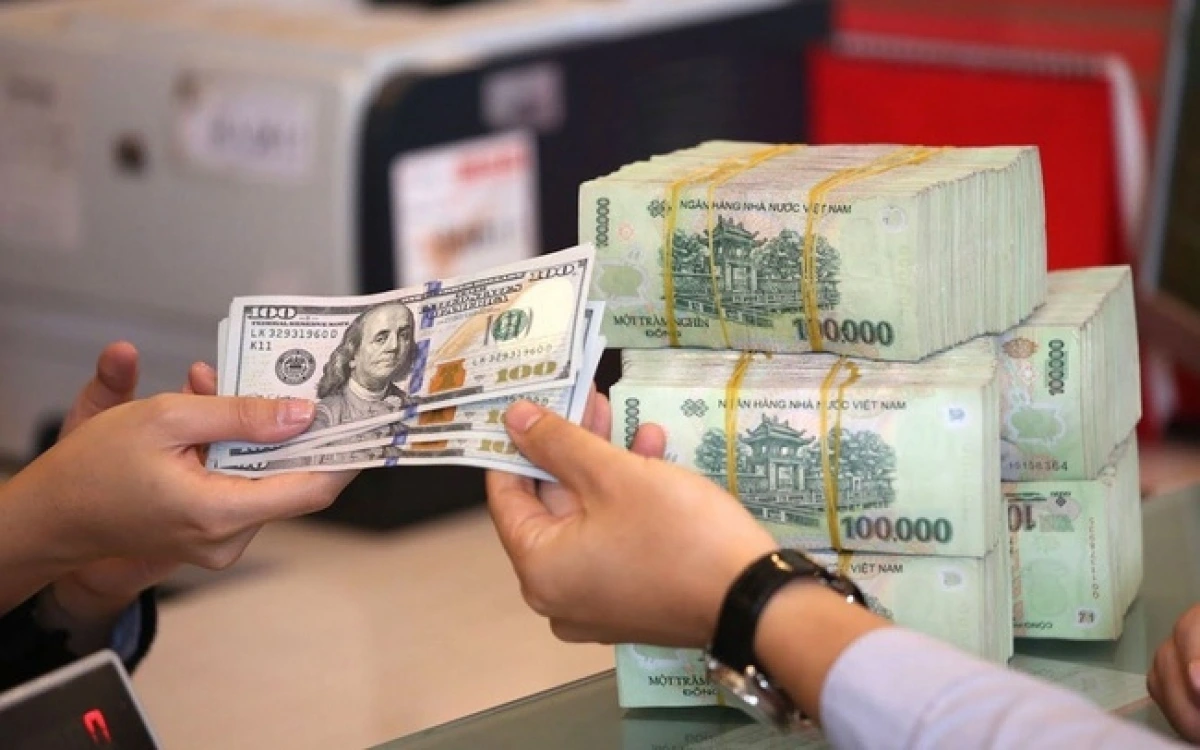
The US dollar is accepted in select tourist-facing establishments — certain upscale hotels, tour operators, and souvenir shops may quote prices in USD or accept it directly. Other foreign currencies, including euros and British pounds, are not widely accepted in day-to-day transactions outside of dedicated exchange counters.
Why Local Currency Is Preferred
Even where USD is technically accepted, paying in Vietnamese Dong almost always works in your favor. Local pricing is calibrated to VND, meaning you receive accurate value, avoid unfavorable on-the-spot conversion rates, and sidestep the mental friction of dual-currency transactions.
There is also something quietly rewarding about engaging with a destination on its own monetary terms. Handling the local currency in Vietnam — understanding its denominations, its colors, its feel — is itself a small act of cultural attentiveness.
V. Payment Methods in Vietnam
Cash — The Most Common Method
Cash remains the primary mode of payment across Vietnam, and it is simply essential for street food, local markets, independent guesthouses, motorbike taxis, and the many smaller establishments that define the country’s most vivid everyday life. Arriving without sufficient Vietnamese Dong in accessible denominations means missing out on precisely the experiences that make Vietnam worth visiting.
Credit and Debit Cards
Visa and Mastercard are accepted at most hotels, upscale restaurants, spas, and larger retail outlets in major cities. American Express is accepted less universally. Always confirm card acceptance before ordering, and be aware that some establishments add a surcharge — typically 2–3% — for card transactions.
Digital Payments
Mobile payment apps such as MoMo and ZaloPay are growing rapidly among Vietnamese residents. However, as an international visitor, accessing these platforms typically requires a Vietnamese bank account, making them largely inaccessible during a standard trip.
The most comfortable approach for international travelers is a combination of both: keep a reasonable supply of cash in small denominations for daily life and local encounters, and reserve your card for hotels, fine dining, and larger purchases. This balance delivers both practical flexibility and the freedom to engage fully with everything Vietnam has to offer.

VI. ATMs and Withdrawing Money in Vietnam
ATM Availability
ATMs are plentiful in Vietnam’s cities and major tourist areas. In Hanoi, Ho Chi Minh City, Đà Nẵng, and Hội An, machines connected to international networks (Cirrus, Plus, Maestro) are easy to find. In more remote or rural areas, ATM access becomes less predictable — it is wise to withdraw before venturing away from the main circuit.

Withdrawal Limits and Fees
Individual ATM withdrawal limits in Vietnam typically range from 2,000,000 to 5,000,000 VND per transaction, depending on the bank. Your home institution may also apply international transaction fees and foreign currency conversion charges. Check with your bank before departure to fully understand the cost per withdrawal.
Safety Tips
Use ATMs attached to bank branches or located inside reputable hotels, particularly after dark. Shield your PIN carefully, inspect the card slot briefly before inserting your card, and collect both your card and cash promptly. Withdraw moderate amounts rather than large sums at once, and store any backup cash separately from your main wallet.
VII. Tipping Culture in Vietnam
Is Tipping Expected?
Tipping is not a mandatory cultural practice in Vietnam as it is in some Western countries. Most transactions at street stalls, local cafés, and independent transport carry no expectation of a gratuity. That said, tipping is genuinely and warmly appreciated in the hospitality and tourism sectors, where service quality is often high and margins can be modest.
When and How Much to Tip
- Private tour guides: 100,000–200,000 ₫ per day is a gracious acknowledgment of excellent service.
- Drivers: 50,000–100,000 ₫ for a full-day transfer is thoughtful and well-received.
- Hotel staff (porters, housekeeping): 20,000–50,000 ₫ per service is appropriate.
- Spa therapists: 50,000–100,000 ₫ following a quality treatment.
- Restaurants: Rounding up or leaving small change is a welcome but entirely optional gesture.
The amount need not be large to be meaningful. In Vietnam, a sincere and warmly given tip — even a modest one — communicates genuine appreciation in a way that transcends the sum.
VIII. Common Money Mistakes to Avoid
- Confusing similar banknotes. Certain denominations share color families. Take a moment to check carefully in dim or busy environments.
- Carrying too much cash at once. Keep daily spending money accessible and store reserves separately in a hotel safe or concealed pocket.
- Not checking exchange rates. Rates vary between venues. A quick reference check before converting larger sums can make a meaningful difference over the course of a trip.
- Relying entirely on cards. Many of Vietnam’s most rewarding moments — a roadside café, a village market, a handmade keepsake — are cash-only. Arriving card-dependent means missing precisely the experiences that make travel worthwhile.
Practical Tips for Managing Currency in Vietnam
- Keep a supply of small notes (10,000–50,000 ₫) for street vendors and local transactions where exact change is expected.
- Distribute cash between two locations — a daily wallet and a backup — so a single mishap never becomes a genuine problem.
- Use a slim, RFID-blocking wallet or discreet money belt in busier urban areas and crowded markets.
- Set a simple daily spending reference in VND to stay oriented without constant mental conversion.
- Notify your home bank of your travel dates in advance to prevent your card from being blocked on first use abroad.
IX. Experiencing Vietnam Through Its Currency
There is a particular kind of travel moment that happens at the intersection of money and culture — small, unhurried, and entirely authentic. It occurs when you peel a 50,000 ₫ note from your wallet to buy a paper cup of egg coffee on a Hanoi balcony overlooking the rooftops. When you count out change at a silk lantern stall in Hội An, the vendor patiently guides your hand toward the right note with a quiet smile. When you pay a ferryman in the Mekong Delta with a handful of small bills and receive a wide, wordless nod of thanks in return.
These transactions are not incidental to the experience of Vietnam — they are part of it. The currency in Vietnam, much like the food, the language, and the quality of light on the water, is a texture of the place. Knowing how to handle it with ease and confidence is what allows you to be fully present, rather than anxious; engaged, rather than bewildered.
At Aravinda, we believe that the finest travel happens when logistics become invisible — when you are free simply to be in the destination. Understanding money is one quiet step toward that freedom.
X. Conclusion
Understanding currency in Vietnam is far simpler than it first appears, and the rewards of that preparation are considerable. With the right knowledge — how to exchange, when to use cash, what to tip, and how to read the value of what you are spending — you arrive not as a traveler navigating unfamiliar terrain, but as a guest who has taken the time to understand the place they are visiting.
Vietnam is generous with those who come prepared. Its markets are more vivid, its meals more satisfying, its encounters more open — when you meet them with ease rather than confusion.
Travel seamlessly. Let the details take care of themselves, and let your full attention rest on the experience.
Contact Aravinda Travel to begin your journey:
- Website: aravindatravel.com
- Facebook: Aravinda Travel – Loyal DMC in South East Asia
- Email: info@aravindatravel.com
- 24/7 Hotline: +84 989 383 572