Vietnam stretches over 1,600 km, a spectacularly slender country with a width of only about 50 km at its narrowest point. Each region boasts its own unique beauty and climate, meaning you need to carefully consider the best time to visit based on your desired itinerary. Because climate variation is significant from north to south, there will always be a place worth visiting in Vietnam no matter what time of year you travel.
Note: The wettest months are Juneto August, when heavy rainfall and high humidity are common.
2. Central Vietnam
Central Vietnam (Hue, Da Nang, Hoi An, Nha Trang) has two main seasons: dry (January–August) and rainy (September–December). Temperatures remain warm year-round, ranging between 22°C and 35°C.
Note: The heaviest rainfall usually occurs from Octoberto November, with occasional typhoons.
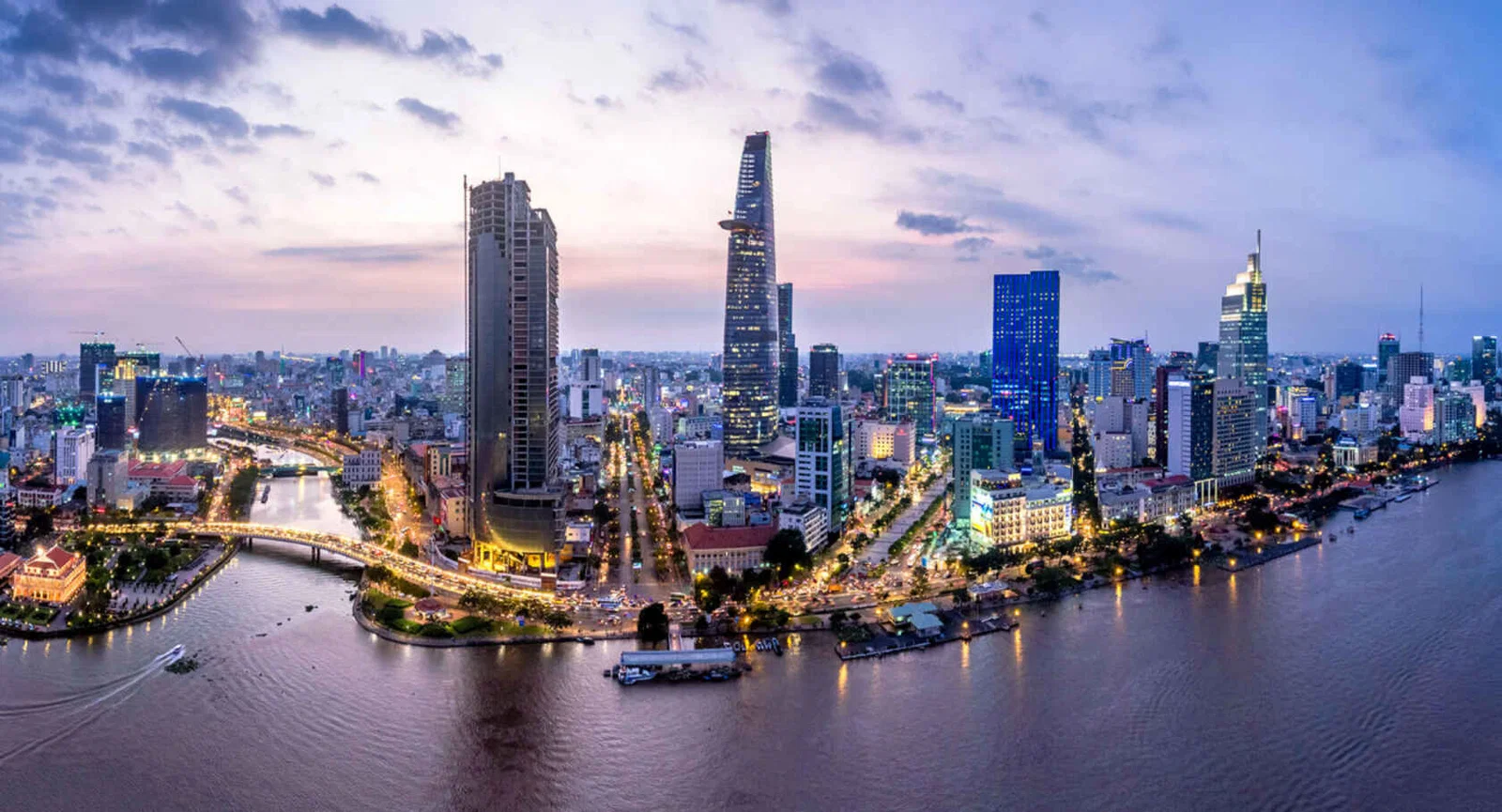
3. Southern Vietnam
Southern Vietnam (Ho Chi Minh City, the Mekong Delta, Phu Quoc, Con Dao) has only two seasons: dry (Decemberto April) and rainy (May to November). Temperatures are warm year-round, ranging between 25°C and 35°C.
Note: The wettest months are June to September, although showers are often brief and followed by sunshine.
Tip: If your trip combines all three regions, Octoberto March is generally the best time to visit Vietnam, thanks to cooler temperatures and lower rainfall across much of the country.
North: Cold (10–17°C in Hanoi, almost freezing in Sapa). Dry but overcast, with persistent drizzle called drizzle. Sapa sometimes has snow. Rating: Fair — romantic atmosphere, but bring lots of layers of clothing.
Central: Cool and rainy in Hue (18–22°C), drier as you move south to Da Nang. Rating: Not recommended for beaches, passable for cultural sightseeing.
Tet (Lunar New Year) falls on February 17, 2026. Expect closed stores, crowded trains, and high domestic airfares for about a week before and after Tet.
North: Still cool, the fog gradually disappears at the end of the month. Rating: Fair.
Central: Switch to dry season. Hoi An has beautiful days of 24°C. Rating: Good.
South: Hot, dry and beautiful. Review: Great — but book early for Tet.
North: Cold and gray, but with a festive atmosphere. 14–20°C. Rating: Good.
Central: Rain is decreasing, but the sea remains rough. Rating: Fair.
South: Picture-perfect. Rating: Excellent.
5. Quick comparison table of seasons: temperature, rainfall, ideal conditions
Month
Northern Vietnam
Central Vietnam
Southern Vietnam
January
Fair
Not Recommended
Excellent
February
Fair
Good
Excellent
March
Excellent
Excellent
Great
April
Excellent
Excellent
Fair
May
Good
Excellent
Fair
June
Fair
Excellent
Fair
July
Fair
Great
Fair
August
Not Recommended
Good
Fair
September
Good
Not Recommended
Fair
October
Excellent
Not Recommended
Good
November
Excellent
Not Recommended
Great
December
Good
Fair
Excellent
Overall temperature and rainfall
Region
Coolest Months
Hottest Months
Wettest Months
Driest Months
Northern Vietnam (Hanoi)
Dec–Feb (14–18°C)
Jun–Aug (29–34°C)
Jul–Sep
Nov–Mar
Central Vietnam (Da Nang)
Dec–Feb (21–24°C)
Jun–Aug (28–33°C)
Sep–Dec
Feb–Aug
Southern Vietnam (Ho Chi Minh City)
Dec–Jan (25–28°C)
Mar–May (30–35°C)
Jun–Oct
Dec–Apr
III. Especially peak festival season
Weather isn’t the only factor. Vietnam will experience three distinct price surges in 2026:
New Year Holiday (January 1): A popular travel period for both domestic and international visitors. Hotels, flights, and attractions in major destinations often sell out early.
Lunar New Year – Tet (late January or February): Vietnam’s biggest holiday. Domestic flights and accommodation are in high demand, many family-run businesses close for several days, and transportation should be booked well in advance.
Liberation Day & International Workers’ Day (April 30 – May 1): One of the busiest domestic travel periods. Coastal cities, beaches, and popular attractions are often crowded.
Da Nang International Fireworks Festival (DIFF) (May–July, selected weekends): Da Nang experiences a surge in visitors during the festival. Accommodation prices increase significantly, especially on competition weekends.
National Day (September 2): A major public holiday that brings heavy domestic tourism, particularly to beach destinations and major cities.
Christmas & New Year (late December – early January): Peak international travel season, especially in Hoi An, Phu Quoc, Da Nang, Hanoi, Ho Chi Minh City, and Sapa. Early reservations are recommended.
IV. Best months for specific experiences
Not all tourists are after sunshine. Some experiences depend on rain, harvest cycles or fog.
Hiking in Sapa/Pu Luong/Mai Chau: September to mid-November to see golden rice terraces; March to May to see green terraced fields and wildflowers.
Ha Long Bay Cruise: October, November, March, April. Avoid the stormy period from July to September.
Beaches and tailoring in Hoi An: March to August.
Mekong Delta: November to February — cool, dry, fruit harvest season is in full swing.
Scuba diving Phu Quoc: November to April; Visibility drops sharply during the monsoon season.
Riding a motorbike along Ha Giang route: October (buckwheat flowers) and September (rice harvest season).
Da Lat: All year round, but December to February brings cool, dry weather and flower festival season.
V. The worst combinations to avoid.
Some itineraries go against the weather calendar. A few things to consider:
Hoi An in October or November: The Old Town is almost always flooded annually; streets turn into canals.
Sapa in January: It’s passable, but be prepared for thick fog obscuring the beautiful scenery you’re going to see.
Mekong Delta in August: It’s passable, but daily showers make boat tours and bike paths muddy.
Ha Long Bay in late August: Cruises are frequently cancelled due to storms, leaving passengers stranded.
Saigon in late April: Temperatures rise to levels that can ruin afternoon sightseeing.
VI. Exclusively for travelers who want to combine all three regions.
For travelers determined to explore all three regions, the itinerary is significantly narrowed. The widest period with generally acceptable weather falls in Marchand early April, followed by a smaller period in late November. Both of these periods avoid the harshest conditions of any region, although prices during these months tend to be higher than in mid-summer.
Octoberis appealing for the stunning clarity of the North, but combining Hanoi with Hoi An in that month is a gamble. The best option is to choose: a trip focused on the North in October, or wait until the end of February to complete the full circuit.
Suggested Multi-Region Vietnam Itineraries:
Trip Length
Route
8 Days
Ho Chi Minh City → Mekong Delta → Hoi An → Hanoi → Ha Long Bay
9 Days
Hanoi → Ha Long Bay → Hoi An → Ho Chi Minh City → Cu Chi
10 Days
Hanoi → Ha Long Bay → Hue → Hoi An → Ho Chi Minh City → Cu Chi
11 Days
Hanoi → Ha Long Bay → Hue → Hoi An → Ho Chi Minh City → Mekong Delta → Cu Chi
12 Days
Hanoi → Ha Long Bay → Hue → Hoi An → Ho Chi Minh City → Cu Chi → Mekong Delta
14 Days
Hanoi → Ninh Binh → Ha Long Bay → Hue → Hoi An → Da Nang → Ho Chi Minh City → Cu Chi → Mekong Delta
These are sample itineraries only. Contact Aravinda Travelto receive detailed itineraries tailored to your travel preferences.
VII. FAQs
1. Is there a month when all regions of Vietnam have nice weather?
March is the closest. Late February and early April are also suitable for most visitors, although the South begins to heat up noticeably in mid-April.
2. When is storm season in Vietnam?
Storms mainly affect the central and north coasts from August to November, with October being the month with the highest risk. Storms occasionally affect as far south as Nha Trang but rarely affect Phu Quoc or the Mekong Delta.
3. Is it worth going to Sapa in winter?
Yes, if you accept the weather conditions. From December to February it is cold (sometimes below 0°C), dense fog and occasional snow. Hiking is more difficult, but ethnic minority markets and homestays have a romantic atmosphere.
4. Is it possible to go to Hoi An in the rainy season?
Maybe, but October and November pose a real risk of flooding. If those are the only available months, consider booking in Da Nang and traveling the same day to Hoi An, monitoring the daily weather forecast.
5. What about Phu Quoc in the rainy season? From May to October, there are heavy rains and rough seas on the west coast. Some resorts close their annexes, and ferry services to remote islands are suspended during storms. The east coast (Bai Sao, Bai Khem) is better sheltered.
6. Are prices significantly cheaper in the off-season? Yes, typically 30–50% lower for hotels and tours outside peak hours. The trade-off is weather risk. Travelers on a tight budget who are willing to venture out in June or September can find real value, especially in the Central region during the dry period in summer.
Vietnam rewards travelers who plan their trips based on its climate rather than against it. The country doesn’t have a perfect month nationwide, but neither does it have a completely terrible one, somewhere in Vietnam, the weather is always in your favor. The honest approach is to choose the region first, then the month, rather than the other way around. A perfect week in any region is better than a frantic rush through all three regions at the wrong times. ContactAravinda Travel today to have a weather-appropriate tour designed just for you!









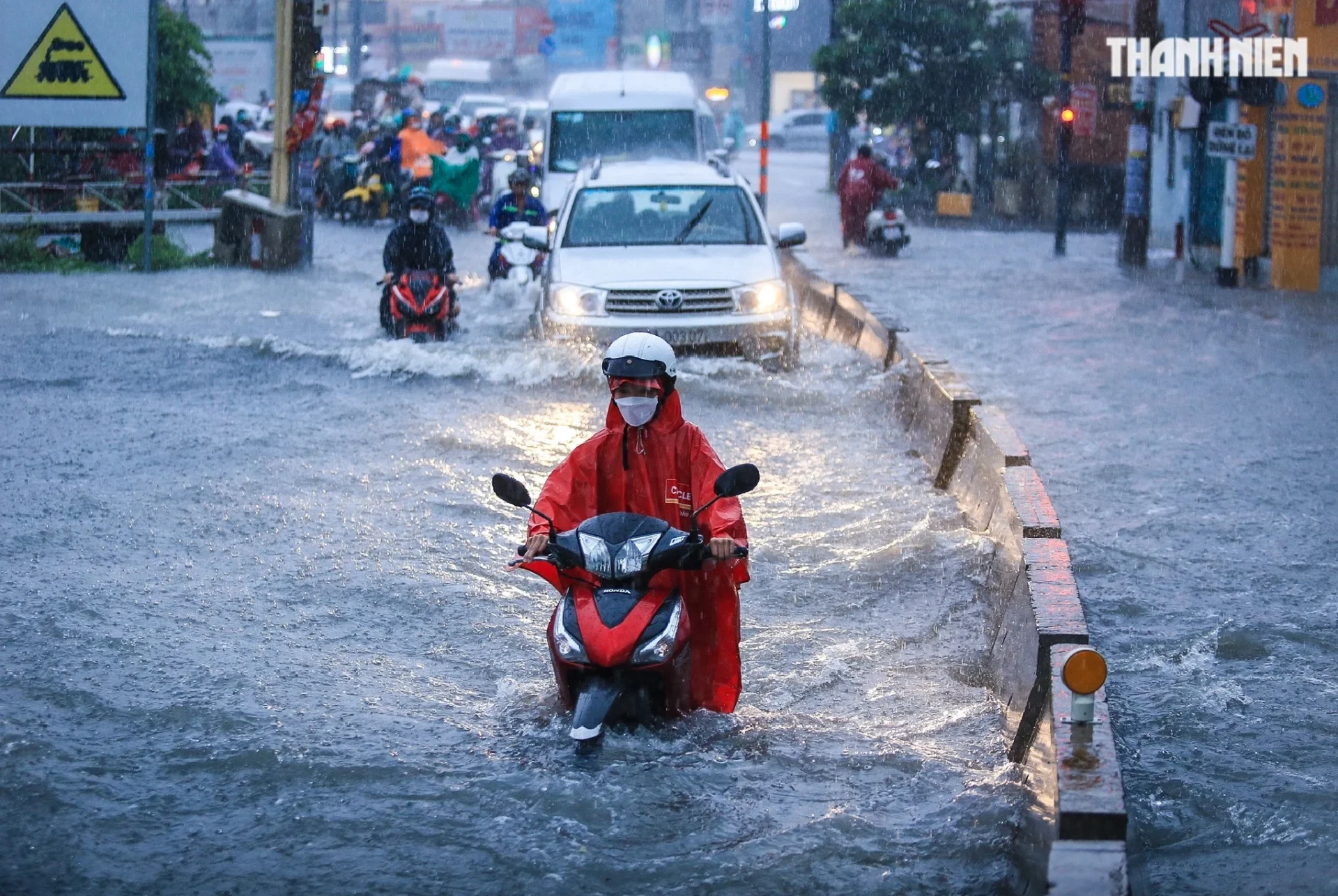 Some itineraries go against the weather calendar. A few things to consider: