
The custom of tipping, or gratuity, involves the voluntary provision of extra money to service workers as a gesture of thanks for outstanding service. The practice of tipping in Vietnam presents a fascinating case study of cultural adaptation. Historically, it was not an ingrained element of Vietnamese social etiquette. The local culture has traditionally valued sincere verbal thanks and respectful demeanour as primary expressions of gratitude. Understanding the nuances of this evolving practice is crucial for any visitor wishing to navigate social interactions respectfully and appropriately.
I. Tipping culture in Vietnam
Globally, attitudes towards tipping vary dramatically. In nations like the United States, it is often considered a mandatory addition to the cost of a meal, with 15-20% automatically expected in restaurants. In stark contrast, in countries such as Japan or South Korea, leaving a cash tip can be viewed as unusual or even disrespectful, as excellent service is considered a standard and intrinsic part of the transaction.
Within this global spectrum, the culture of tipping in Vietnam is best described as optional and discretionary. It is not a social obligation but a genuine, spontaneous act of kindness that depends entirely on the customer’s level of satisfaction and personal inclination. The Vietnamese people themselves have their own unique, often less monetised, ways of showing deep appreciation. It is not uncommon for locals to offer a small, symbolic gift from their hometown, a hand-drawn picture, or even an invitation for the service provider, such as a tour guide, to share a meal as a heartfelt thank you. These gestures highlight the cultural emphasis on personal connection over transactional relationships.
In essence, while the practice of tipping in Vietnam is undoubtedly becoming more common, it has not yet developed the rigid, obligatory nature found in some Western societies. For travellers, cultural sensitivity is paramount. Tipping should be perceived as a bonus for service that exceeds expectations—a tangible token of gratitude for an exceptional experience—rather than a compulsory fee. This approach ensures that visitors respect local customs while acknowledging extraordinary effort.
II. Tipping guidelines in different sectors
To assist travellers in making informed decisions, here is a detailed breakdown of tipping expectations across various service industries in Vietnam.
Hotel Accommodations
In upscale 4 and 5-star hotels, a service charge of around 10% is frequently included in the final bill. It is always prudent to check your bill carefully before considering an additional tip. If no service charge is included and the staff—from the bellboy who carries your luggage to the housekeeping team that maintains your room impeccably—has provided outstanding service, a tip of 10% of the bill is a generous gesture. In smaller, family-run hotels or guesthouses, tipping is less formalised but always appreciated.
If you have been particularly impressed by the cleanliness, the staff’s attentiveness, or the owner’s warmth, leaving a cash tip of approximately 50,000 VND (around $2 USD) is a wonderful way to show your appreciation. You can discreetly leave this money on the bedside table or hand it directly to a staff member who made your stay special.

Restaurants and Cafés
The dining landscape in Vietnam is diverse, and so are its tipping practices. Many mid-range to high-end restaurants automatically add a service charge of 5-10% to the bill. Conversely, casual local eateries and ubiquitous coffee shops almost never include such a charge. If you receive prompt, friendly, and exceptional service at a restaurant without a service fee, leaving a tip of about 50,000 VND ($2 USD) is a kind and appropriate response. For simpler transactions at a coffee shop, rounding up the bill or leaving small change is a common and appreciated way to say thank you. As cash is king in these scenarios, it is highly recommended to keep a supply of small-denomination Vietnamese Dong notes on hand for such purposes.

Bars and Nightlife
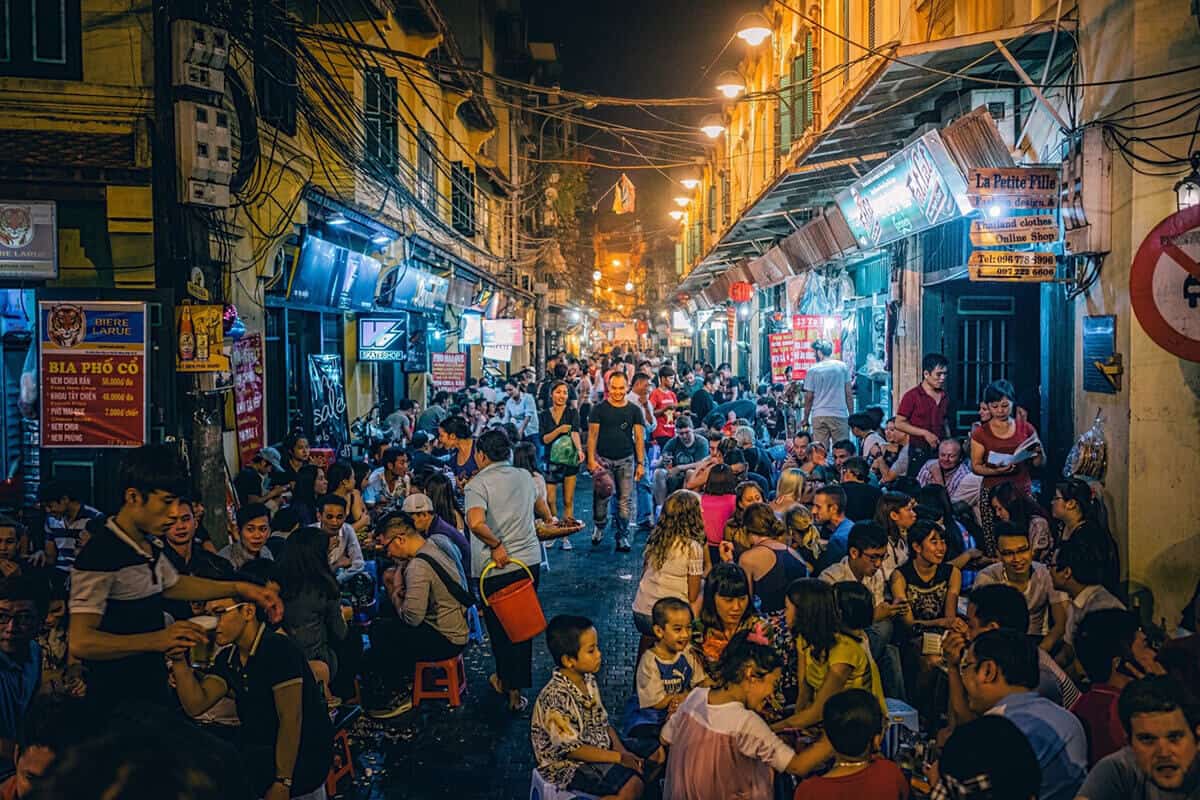
Bars in Vietnam, particularly those in bustling tourist hubs like Hanoi’s Old Quarter or Ho Chi Minh City’s Bui Vien Street, cater to a vibrant mix of international visitors and local youth. Similar to restaurants, many bars incorporate a service charge or Value Added Tax (VAT) into their pricing. Despite this, the global bar culture of tipping for skillful mixology and engaging service has taken root. If a bartender creates a delicious custom cocktail or provides exceptionally friendly and efficient service, a tip of about 100,000 – 150,000 VND ($4 – $6 USD) is a common and welcomed practice that acknowledges their craftsmanship and effort.
Spas and Wellness Services
Vietnam is renowned for its affordable and high-quality spa and beauty services. Many luxurious spas include a service charge in their published prices, meaning an extra tip is not necessary. However, for the multitude of smaller, independent spas and massage parlours that offer incredible value, tipping is a direct way to reward the therapist’s skill and attentive care. For a standard one-hour massage, a tip ranging from 50,000 to 100,000 VND ($2 to $4 USD) is considered very generous and is sure to be received with genuine gratitude.

Tour Guides and Drivers
Tour guides are the linchpins of a memorable travel experience, offering invaluable cultural insights, historical context, and logistical support. Tipping them is a well-established practice and a significant part of their income. For a full-day tour, a tip of $5 to $10 USD per person, given directly to the guide at the end of the day, is a standard and fair amount that reflects appreciation for their hard work and expertise. If your tour also includes a dedicated driver who ensured a safe and comfortable journey, a separate tip of approximately $3 to $5 USD is a thoughtful gesture. As mentioned, a small souvenir from your home country can also serve as a meaningful and memorable alternative or supplement to a cash tip.
Taxi and Ride-Hailing Drivers
Encountering a taxi driver who is not only honest and skilled in navigation but also friendly and able to communicate in basic English can feel like discovering a treasure. While tipping drivers is not at all expected for a standard ride, it is a wonderful way to acknowledge service that goes above and beyond. If a driver assists with luggage, helps you book a subsequent car, or offers helpful local sightseeing tips, rounding up the fare or offering an extra 50,000 VND ($2 USD) is a generous and well-deserved reward. The decision remains entirely at the passenger’s discretion.

Street Food Vendors and Local Markets
The vibrant street food scene is the lifeblood of Vietnamese cuisine, offering delicious and inexpensive meals. Tipping street vendors is not a customary practice. These transactions are typically straightforward, with fixed prices, and the vendors do not expect gratuities. The best way to show your appreciation for a fantastic bowl of pho or a delicious banh mi is with a sincere “cảm ơn” (thank you) and by becoming a returning customer. If you wish to express exceptional gratitude, you can politely offer to let them keep the change from a large bill, but this should be done gracefully to avoid any potential misunderstanding.

III. Essential Tips and Recommendations for Visitors
- Scrutinise the Bill: Always take a moment to review your bill at restaurants, hotels, and bars. Look for lines that say “service charge” or “VAT.” If one is included, you can feel confident that an additional tip is optional and should only be given for truly exceptional service.
- Discretion and Sincerity: Tipping should be a gracious act. Whenever possible, hand the money directly to the individual you wish to thank, accompanied by a smile and a verbal thank you. This personal touch is highly valued.
- Cash is Preferred: While credit cards are widely accepted in larger establishments, cash—especially in smaller denominations—is essential for tipping. It ensures the gratuity goes directly and immediately to the service provider.
- Tipping is Not Obligatory: Remember that you are never forced to leave a tip. A heartfelt thank you is always appropriate. Alternative ways to show appreciation include writing a positive online review on platforms like Google or TripAdvisor, or simply recommending the business to fellow travellers.
- Respect Local Norms: The most important principle is to be observant and respectful. When in doubt, follow the lead of locals or simply ask politely, “Is tipping customary here?”
In summary, the practice of tipping in Vietnam has undergone a notable evolution. While not deeply rooted in traditional Vietnamese culture, it has become an increasingly common and accepted way to express gratitude within the modern tourism and hospitality industries. The key for travellers is to approach tipping with flexibility, awareness, and a focus on the quality of service received.
Companies like Aravinda Travel emphasise that polite, friendly, and honest service is highly prized, and showing appreciation through a thoughtful tip or a kind gesture can significantly enhance the mutual respect and connection between visitors and hosts, making the travel experience more enriching for all involved.
Contact Details:
- Website: aravindatravel.com
- Facebook: Aravinda Travel – Loyal DMC in South East Asia
- Email: info@aravindatravel.com
- 24/7 Hotline: +84 989 383 572