

Southeast Asia has long been a magnet for travelers—drawn by its tropical beaches, ancient temples, and rich cultural diversity. But as tourism continues to grow, so does the responsibility to ensure that travel benefits local people and protects fragile environments. Practicing responsible travel in Southeast Asia means going beyond checking destinations off a list; it’s about making conscious choices that leave a positive impact. This guide explores how you can travel mindfully across countries like Thailand, Vietnam, Laos, Cambodia, and Indonesia, balancing adventure with awareness.
Why Responsible Travel Matters
Southeast Asia is famous for its natural beauty and rich cultures, but rapid tourism can create pollution, overdevelopment, and the loss of local traditions. Responsible travel helps reduce these problems when visitors choose local services, avoid harmful activities, and respect cultural practices.
These choices protect destinations and also make the journey more meaningful. Travelers gain deeper connections with local people and nature, turning their trip into a positive and sustainable experience.

Environmental Responsibility
Southeast Asia’s natural landscapes are beautiful but increasingly fragile. Travelers can help protect them by making simple, responsible choices.
Use reusable bottles and bags to cut plastic waste. Choose eco-friendly hotels that save energy and support conservation. Travel by bus, train, bicycle, or on foot to reduce carbon emissions. Avoid attractions that exploit wildlife and visit ethical sanctuaries instead. Save water and electricity by taking short showers and switching off lights or air conditioning.
Small actions from many travelers create big, positive change. Responsible travel protects Southeast Asia’s environment and makes your journey more meaningful.

Cultural Respect & Etiquette
Southeast Asia’s greatest strength is its rich cultural diversity, and respecting local traditions is essential for responsible travel. Understanding simple customs helps you avoid misunderstandings and build genuine connections.

- Dress modestly when visiting temples by covering shoulders and knees. Remove your shoes, speak quietly, and avoid touching religious statues. In many places, keeping your head lower than monks or elders shows humility.
- Learn basic greetings. A small bow or the wai in Thailand and Laos is a polite way to show respect. In Muslim areas, avoid physical contact with the opposite gender unless they initiate. Use your right hand when giving or receiving items.
- Be careful with photography. Always ask before taking photos of locals, monks, or ethnic groups. During festivals or ceremonies, watch first, then join respectfully.
- Stay patient and open-minded. Life moves at a slower rhythm in many parts of Southeast Asia. A smile and calm attitude will help you connect more deeply and enjoy a more meaningful travel experience.
Supporting Local Communities
Responsible travel in Southeast Asia also means supporting the people who make the region so special. Choosing local businesses helps keep tourism revenue in the community and protects cultural traditions.
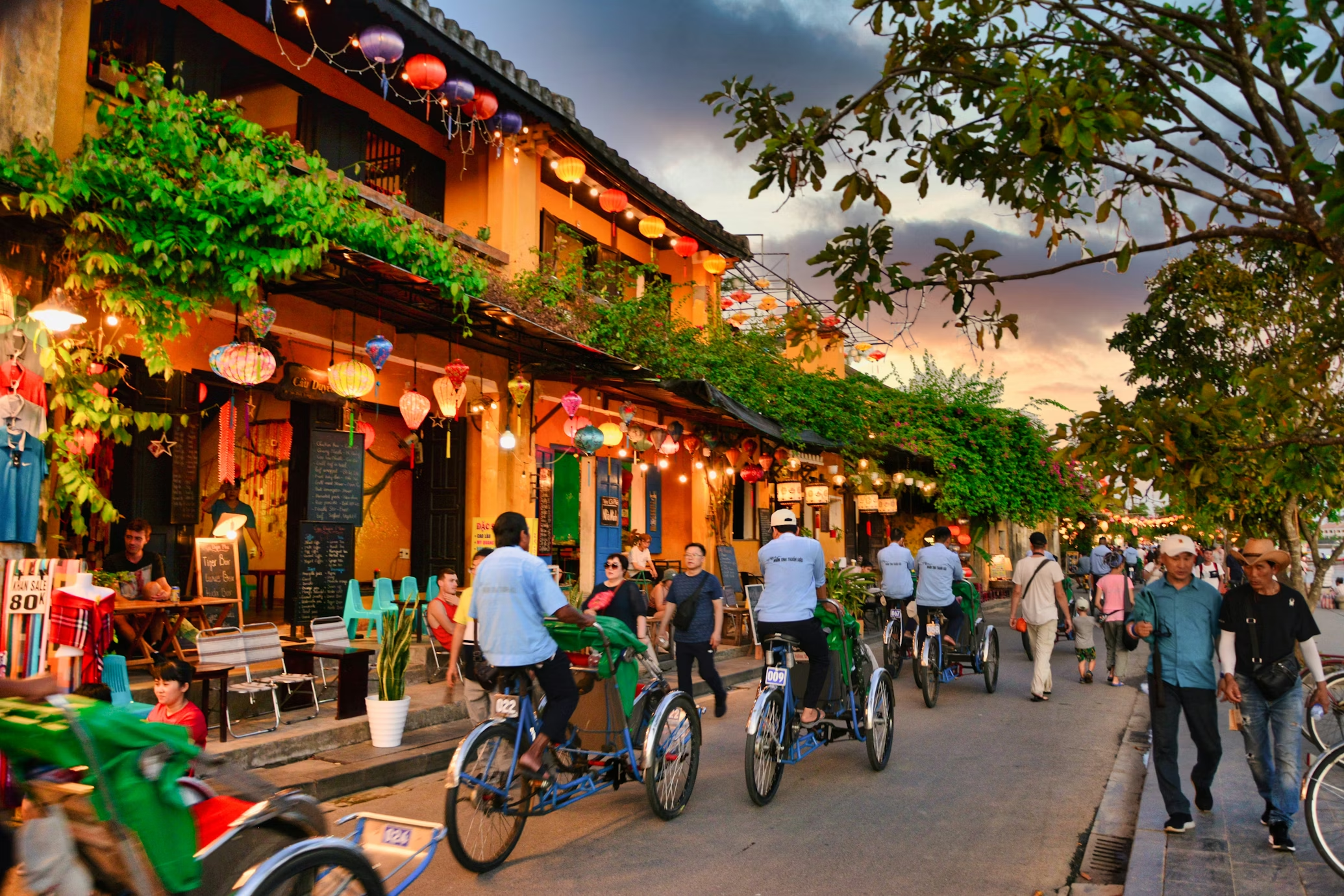
- Choose high-end hotels and resorts that follow sustainable practices and employ local staff.
- Dine at quality restaurants that work closely with regional farmers and suppliers.
- Buy handcrafted products made by local artisans to help preserve traditional skills.
- Join cultural experiences created with local communities such as cooking sessions, village visits, or nature activities.
- Investing in sustainable services allows travelers to enjoy comfort while supporting the wellbeing of local people.
Country-Specific Tips
Responsible travel in Southeast Asia looks slightly different from one country to another, depending on local customs, laws, and environmental challenges. Understanding these nuances helps travelers adapt respectfully and make meaningful contributions wherever they go.
Thailand
- Show respect for the royal family, monks, and religious symbols.
- Avoid pointing your feet at people or sacred objects.
- Choose eco-certified tour operators for islands and national parks.
- Do not feed or touch marine life.
- Bring reusable bottles and cloth bags due to plastic restrictions on many beaches.
Vietnam
- Learn simple Vietnamese greetings to show respect.
- Ask before taking photos, especially in rural areas.
- Choose eco-friendly cruises and sustainable resorts in UNESCO destinations such as Ha Long Bay or Hoi An.
- Support local artisans by buying authentic, handmade crafts.
Cambodia
- Visit lesser-known temples to reduce crowds at Angkor Wat and support smaller communities.
- Dress modestly at religious sites and avoid climbing fragile ruins.
- Avoid orphanage visits and support education-focused NGOs or social enterprises instead.
Laos
- Observe the morning alms-giving ceremony quietly or join only with proper understanding.
- Stay on designated paths at the Plain of Jars for safety and preservation.
- Choose community-based treks and eco-lodges that cooperate with local villages..
Across all these countries, the principles remain the same: tread lightly, engage respectfully, and contribute positively to the places you visit. By understanding and honoring each nation’s cultural and environmental context, travelers help ensure that Southeast Asia’s beauty and traditions endure for generations to come.
Suggested Responsible Itineraries
Planning a responsible trip through Southeast Asia doesn’t mean sacrificing adventure or comfort—it means traveling with purpose. Whether you have one week or a month, you can design an itinerary that balances exploration with sustainability, cultural immersion, and environmental awareness.

7 Days – Eco-Culture Escape
If you have only a week, focus on one country and explore it deeply. In Laos, spend time in Luang Prabang, a UNESCO town known for its Buddhist culture, then visit local villages through community-based trekking programs in the north. In Cambodia, combine the temples of Angkor Wat with a few days in Kampong Khleang or Battambang, where you can support rural homestays and artisan workshops. In Vietnam, take a train from Hanoi to Ninh Binh or Hue instead of flying, staying in eco-lodges that use renewable materials.
10–14 Days – Heritage and Nature Journey
With two weeks, you can combine cultural heritage with natural landscapes while traveling overland. Start in Bangkok, Thailand, then cross into Laos to experience local life along the Mekong River. Continue to Vietnam to explore Ha Long Bay with an eco-cruise operator committed to marine protection. Alternatively, travelers seeking island life can spend two weeks in Indonesia, dividing time between Bali’s sustainable stays and Komodo’s conservation areas while using reef-safe sunscreen and reusable gear.
3 Weeks – Cross-Border Sustainable Adventure
For those with more time, embark on a slow, multi-country route. Travel from Chiang Mai (Thailand) to Luang Prabang (Laos) by riverboat, cross into Vietnam for an overnight train to the coast, and finish in Cambodia’s Siem Reap, visiting lesser-known temples around Angkor. Choose local guesthouses, hire regional guides, and travel by bus or train to minimize emissions. This itinerary offers a holistic view of Southeast Asia’s landscapes and cultures while ensuring your travel dollars benefit local economies.
1 Month or More – The Full Responsible Traveler Experience
Long-term travelers can slow down and dive deeper. Start in Myanmar or northern Thailand, focusing on cultural learning and volunteering with verified conservation programs. Move south through Laos, Cambodia, and Vietnam, participating in clean-up projects, local workshops, and farm-to-table experiences. End in Indonesia or Malaysia for marine conservation or eco-retreats. Traveling slowly—by land and with intention—reduces your footprint and allows authentic interaction with local people.
No matter how long your journey lasts, responsible itineraries in Southeast Asia are about quality over quantity. Choosing fewer destinations and spending more time in each one not only benefits the environment but also deepens your understanding of the region’s traditions and way of life.
Practical Tips & Resources

Responsible travel becomes easier when you plan ahead and use the right tools. Here are some practical tips and reliable resources to help you stay eco-conscious, culturally respectful, and well-prepared while exploring Southeast Asia.
- Sustainable Travel Essentials
High-end travelers can elevate their journey with refined, reusable items such as premium water bottles, compact solid toiletries, and elegant cloth bags. Refill stations and concierge-supported sustainability practices are now common across Southeast Asia.
- Transportation & Connectivity
Choosing scenic overland routes, private transfers, or first-class trains reduces emissions while maintaining comfort. Aravinda Travel curates tailored, low-impact routes that align with luxury standards.
- Finding Eco-Friendly Stays
Select five-star eco-resorts, boutique retreats, and upscale lodges with verified sustainability programs. Aravinda Travel partners with properties that combine refined comfort with responsible operations and strong community engagement.
- Respecting Local Culture and Laws
Luxury travel shines when paired with cultural sensitivity. Learn a few local greetings, follow dress codes at temples, and respect traditional etiquette to create genuine, elegant connections with each destination.
- Supporting Conservation and Social Projects
Instead of casual volunteering, support reputable foundations and curated community projects through guided visits arranged by Aravinda Travel. These experiences offer meaningful impact while maintaining privacy and exclusivity.
- Useful Apps & Resources
RefillMyBottle, Stay Wild, Ethical Traveler, Rome2Rio.
Traveling responsibly does not reduce comfort—it elevates the journey. With Aravinda Travel, luxury guests enjoy personalized, sustainable experiences that honor the culture and natural beauty of Southeast Asia.
Conclusion
Traveling through Southeast Asia becomes richer when done responsibly, as each mindful choice helps protect its landscapes, cultures, and communities. Responsible travel enhances comfort rather than limiting it, creating deeper connections and more meaningful experiences. Aravinda Travel brings this approach to life through curated, sustainable itineraries that blend luxury, cultural insight, and environmental care, ensuring every journey leaves a positive impact.