

Envision the emerald waters of Thailand’s islands, the ancient, moss-covered temples of Angkor Wat, the bustling lantern-lit streets of Hoi An, and the serene Mekong River winding through Laos. Southeast Asia captivates with its unparalleled diversity of experiences. However, one crucial question arises for every traveller planning their journey: when is the best time to visit Southeast Asia?
The answer is not a single month on the calendar. The “perfect” time is a delicate balance of weather patterns, crowd levels, and your personal travel style across Vietnam, Cambodia, Laos, and Thailand. This comprehensive guide demystifies the region’s complex climate, providing a clear, country-by-country analysis to empower you to choose the ideal dates for your unforgettable Southeast Asian adventure.

The Overall Best Time to Visit Southeast Asia
For travellers aiming to experience multiple countries in one trip, the undisputed best time to visit Southeast Asia is during the cool, dry season, which spans from November to February. During this window, a harmonious climatic pattern emerges across most of the region.
- Weather: This period offers the most favourable conditions: low humidity, minimal rainfall, and plenty of sunshine. Temperatures are pleasant, avoiding the extreme heat of the spring months. This is ideal for exploring bustling cities, trekking through lush landscapes, and lounging on pristine beaches.
- Experiences: Clear skies provide perfect photo opportunities for iconic sites like Angkor Wat at sunrise or Halong Bay’s limestone karsts. Calm seas ensure smooth island-hopping experiences in Thailand’s Andaman Sea.
- The Trade-Off: It is vital to note that this is also the peak tourist season. You will encounter the largest crowds and the highest prices for flights and accommodation. Therefore, planning and booking well in advance—often three to six months—is highly recommended to secure the best options.
For those seeking a balance between good weather and smaller crowds, the “shoulder months” of March and October can be excellent alternatives, though they come with a higher chance of sporadic, brief rainfall.
Country-by-Country Breakdown: When to Go Where
While the November-February period is generally ideal, each country possesses its own unique microclimates and regional variations. A deeper understanding of these nuances is key to perfecting your itinerary.
Best Time to Visit Vietnam
Stretching over 1,600 kilometres from north to south, Vietnam experiences significant climatic diversity. Effectively, it functions as three separate weather zones.
Northern Vietnam (Hanoi, Sapa, Halong Bay):
- Best Time: October to December and March to April. These months offer cool, dry weather and clear skies, perfect for trekking in Sapa’s terraced rice fields and cruising in Halong Bay.
- Considerations: The period from December to February can be surprisingly cold and damp, especially in the northern highlands. From June to August, the region experiences its summer heat and the highest rainfall.

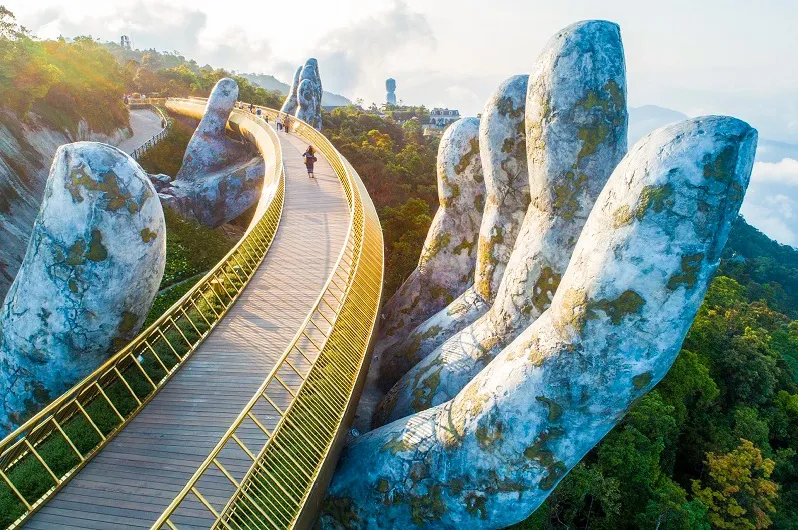
Central Vietnam (Hue, Da Nang, Hoi An):
- Best Time: January to August. This long stretch provides warm, dry conditions ideal for exploring Hoi An’s ancient town and the imperial citadel in Hue.
- Considerations: The tail-end of the year, particularly September to November, is the peak of the rainy season, with a high risk of typhoons and flooding.
Southern Vietnam (Ho Chi Minh City, Mekong Delta):
- Best Time: December to April. This is the heart of the dry season, characterized by hot, sunny days and low humidity, perfect for city exploration and Mekong Delta tours.
- Considerations: The wet season from May to November brings short, intense afternoon downpours, which can be dramatic but rarely disrupt travel for an entire day.

Festival Note: Travelling during Tet (Vietnamese Lunar New Year, typically in January or February) offers a fascinating cultural insight but requires careful planning as transport and services can be overwhelmed.
Best Time to Visit Thailand
Thailand’s weather is famously split not only by season but also by coastline, making beach destination choice critical.
Central & Northern Thailand (Bangkok, Chiang Mai):
- Best Time: November to February. This is the cool, dry season, offering the most comfortable conditions for exploring temples and bustling markets.
- Hot Season: March to May is intensely hot and humid, with April being the peak month for temperatures.
- Wet Season: June to October brings the monsoon, with frequent, heavy rain showers.
Andaman Coast (Phuket, Krabi, Railay, Phi Phi):
- Best Time: November to April. This coast enjoys its best weather during the high season, with calm, turquoise seas perfect for diving and snorkelling.
- Low Season: May to October sees the southwest monsoon, bringing rough seas, significant rainfall, and some ferry cancellations.

Gulf Coast (Koh Samui, Koh Pha Ngan, Koh Tao):
- Best Time: January to August. Interestingly, this coast’s weather pattern is offset from the Andaman’s. It remains sunny and dry for most of the first half of the year.
- Low Season: The wettest months are October and November, when the northeast monsoon hits.
Festival Note: The Songkran water festival in mid-April is an incredible, fun-filled experience, but be prepared for extreme heat, massive crowds, and widespread closures.

Best Time to Visit Cambodia
Cambodia’s climate is more uniform than its neighbours, dominated by the Tonle Sap lake and the Mekong River. This makes planning more straightforward.
- Overall Best Time: November to March. This is the perfect window for travel. The weather is dry, and the heat is manageable, making pre-dawn visits to the Angkor Wat complex a truly magical and comfortable experience.
- Hot Season: April and May are the hottest months, where temperatures can soar, making extensive temple exploration physically demanding.
- Green Season: June to October is the rainy season. While daily downpours are common, they are usually short-lived. The advantages are fewer tourists, lower prices, and a stunning, vibrant green landscape that contrasts beautifully with the ancient stone temples.

Festival Note: The Bon Om Touk (Water Festival) in November is a spectacular event in Phnom Penh, attracting millions of Cambodians. It’s a fantastic time to witness local culture, but the city becomes extremely crowded.

Best Time to Visit Laos
Landlocked Laos shares a similar monsoon rhythm with Thailand and Cambodia, with its mountainous north offering cooler respite.
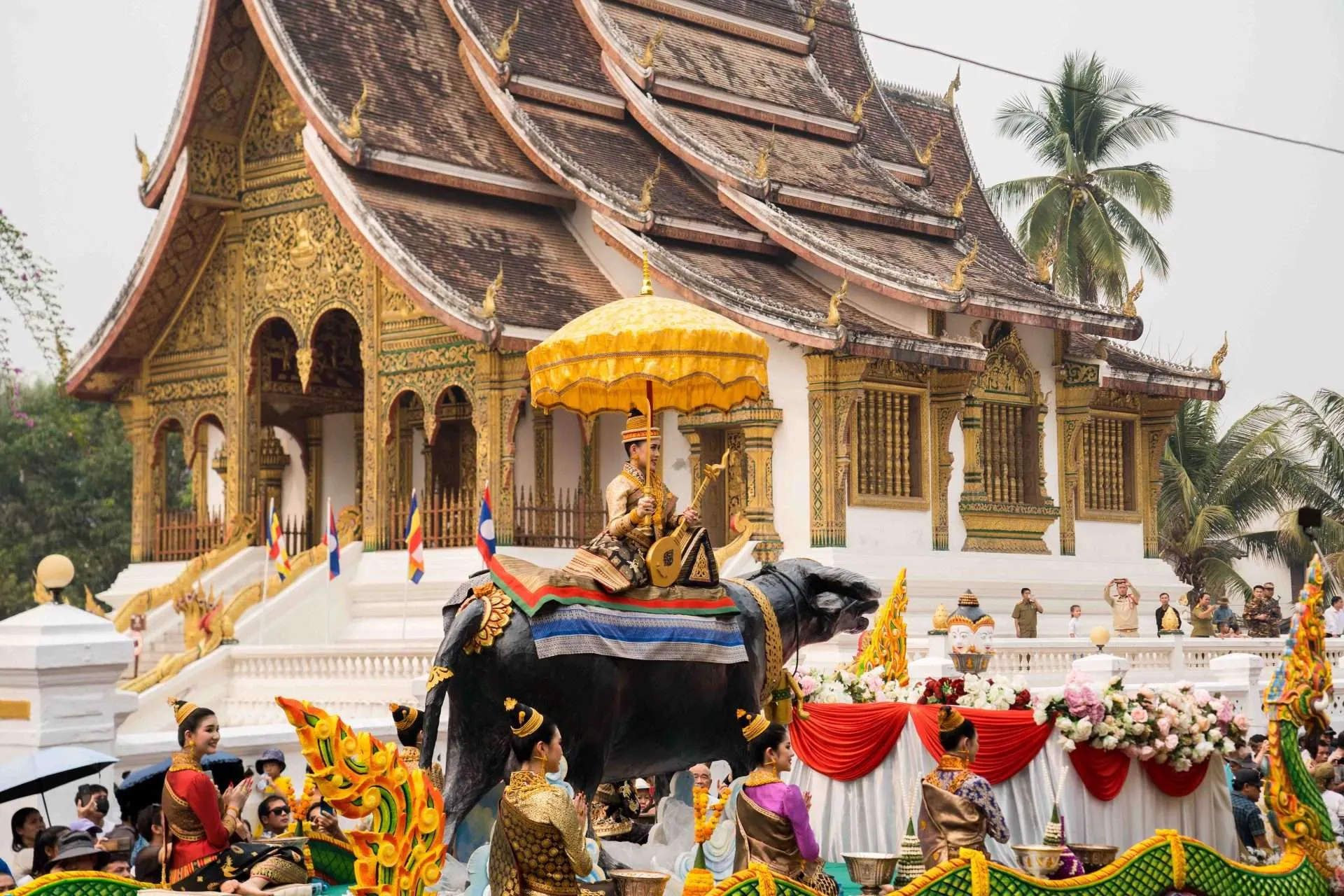
- Overall Best Time: November to February. This is the prime time for visiting Laos. The air is cool and dry, creating ideal conditions for exploring the UNESCO town of Luang Prabang, trekking in the northern highlands, and enjoying the waterfalls in Vang Vieng.
- Hot Season: From March to May, temperatures rise steadily, making the lowlands, including the capital Vientiane, particularly hot and humid.
- Green Season: June to October brings the rains, nourishing the landscape into a lush, emerald paradise. While travel is still possible, some remote roads, especially in the east, can become difficult to pass.

Festival Note: Pi Mai Lao, the Lao New Year in April, is a vibrant and celebratory time to visit, though it coincides with the peak of the heat.
Conclusion: Final Tips for Choosing Your Travel Dates
Ultimately, the best time to visit Southeast Asia is a personal calculation that balances climate, cost, and crowds.
- For First-Timers & Perfect Weather Chasers: Target the core window of November to February. You will be rewarded with the region’s most reliable and pleasant weather for a multi-country tour.
- For Budget Travellers & photographers: Embrace the Green Season (May-October). You will be rewarded with lower prices, fewer tourists, and landscapes at their most lush and photogenic. Pack a rain jacket and a flexible attitude.
- For Beach Lovers: Your destination should dictate your dates. Choose the Andaman Coast (Nov-Apr) or the Gulf Coast (Jan-Aug) based on your travel timeline.
No matter when you choose to go, Southeast Asia’s incredible charm, delicious cuisine, and profound cultural heritage await. Use this guide to align your preferences with the region’s rhythms, and you are guaranteed an extraordinary journey. Start planning your adventure today!
Ready to transform this seasonal guide into your perfect Southeast Asia itinerary? Contact Aravinda Travel today and let our local experts craft a personalized journey timed perfectly with the region’s best weather.
Contact Details:
- Website: aravindatravel.com
- Facebook: Aravinda Travel – Loyal DMC in South East Asia
- Email: info@aravindatravel.com
- 24/7 Hotline: +84989383572