
Step into any Vietnamese market and you’ll instantly feel the pulse of the country. The air hums with animated conversations, vendors calling out their wares, and the rhythmic sounds of chopping and sizzling from street food stalls. Your senses awaken to the fragrant blend of fresh herbs, ripe tropical fruits, and steaming bowls of phở. Vibrant colors splash across every corner—crimson dragon fruits, emerald herbs bundled tight, golden turmeric roots, and rainbow-hued fabrics swaying in the breeze. Vietnamese markets are vibrant places where culture, food, and daily life come together, offering visitors an authentic window into the soul of Vietnam. From bustling morning markets brimming with fresh produce to enchanting night markets filled with handicrafts and street food, from floating markets where commerce happens on water to specialty markets celebrating flowers or antiques, each market tells its own story of Vietnamese heritage and community spirit.
The Cultural Importance of Vietnamese Markets
For centuries, Vietnamese markets have served as far more than mere commercial spaces—they are the social and cultural heartbeat of communities across the country. In Vietnamese culture, the phrase “đi chợ” (going to the market) represents a daily ritual that connects people to their roots, neighbors, and the rhythm of local life. While modern supermarkets have emerged in urban centers, traditional Vietnamese markets continue to thrive because they offer something that sterile, air-conditioned stores simply cannot replicate: human connection.
At a Vietnamese market, shopping is inherently social. Vendors remember their regular customers, asking about family members and sharing neighborhood gossip. Housewives exchange recipes while selecting vegetables, and elderly residents meet friends for morning coffee at market-side stalls. This sense of community creates bonds that transcend simple transactions. The market becomes a living archive of local culture, where traditional knowledge about seasonal ingredients, cooking techniques, and regional specialties passes from generation to generation through casual conversation.
The Vietnamese market also embodies values deeply embedded in the culture—freshness, practicality, and resourcefulness. Unlike Western shopping habits that favor weekly bulk purchases, Vietnamese people prefer buying fresh ingredients daily or even twice daily. This practice reflects a cultural commitment to quality and freshness that defines Vietnamese cuisine. The morning routine of visiting the market ensures that dinner features vegetables picked that morning and fish caught just hours ago.
Moreover, markets preserve traditional Vietnamese culture in ways that modern retail cannot. The art of bargaining, the seasonal rhythms of produce availability, the specialized knowledge of herb vendors who can recommend remedies for common ailments—these aspects of market culture maintain connections to Vietnam’s agricultural heritage and traditional medicine practices. Even as Vietnam rapidly modernizes, these markets remain steadfast anchors to cultural identity and collective memory.
Types of Vietnamese Markets You Shouldn’t Miss
Morning Markets (Chợ sáng)
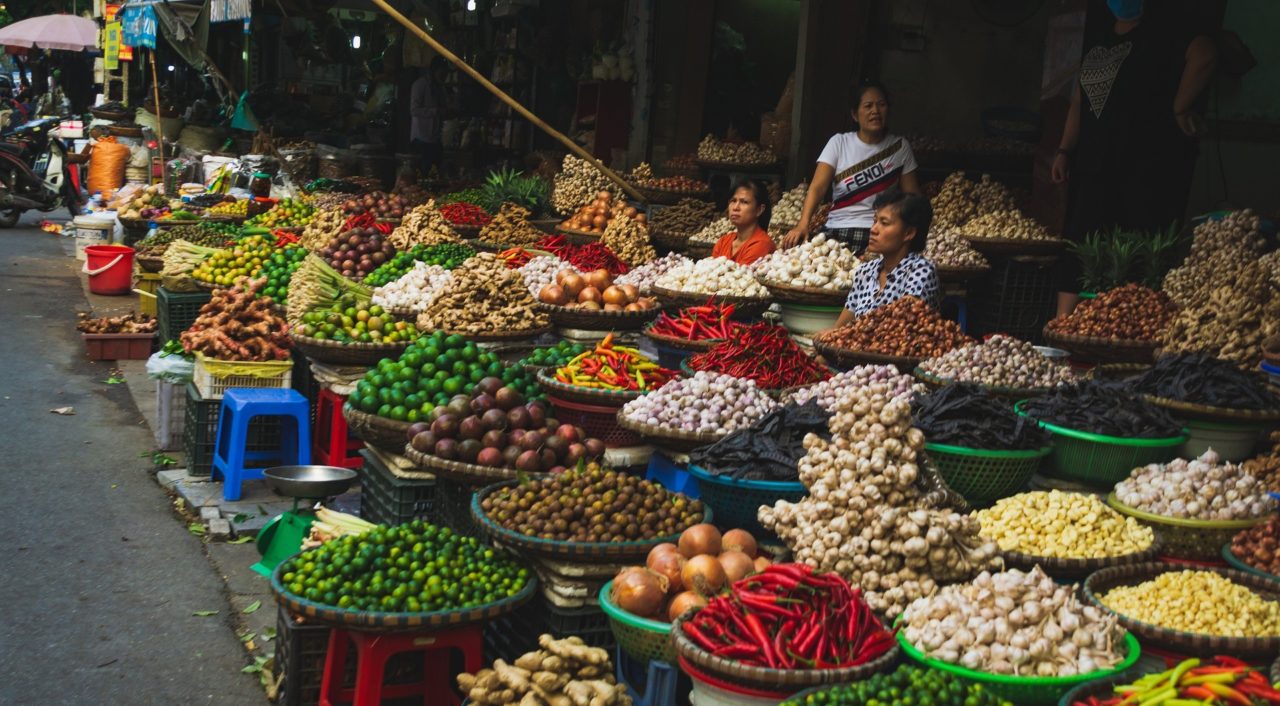
Morning markets capture Vietnamese daily life at its most authentic and energetic. Before dawn breaks, these markets spring to life as farmers arrive from surrounding countryside with trucks and motorbikes loaded with fresh produce. By 5 AM, the market reaches full vigor—vendors arranging colorful pyramids of vegetables, butchers displaying fresh meat, fishmongers laying out glistening seafood on ice beds.
The sensory experience is overwhelming in the best way possible. Bundles of aromatic herbs—mint, cilantro, sawtooth coriander, and Vietnamese balm—release their fragrance when sprinkled with water. Tropical fruits in every imaginable variety create natural art installations: bumpy-skinned custard apples, spiky durians, dragon fruits with their shocking pink skin, and perfectly ripe mangoes. Housewives navigate the narrow aisles with practiced efficiency, selecting ingredients while balancing shopping bags and conversing with vendors who’ve served their families for decades.
Two exemplary morning markets showcase this tradition beautifully. Dong Xuan Market in Hanoi’s Old Quarter is the capital’s largest covered market, a multi-story complex where the ground floor buzzes with food vendors while upper levels house wholesale clothing and household goods. Ben Thanh Market in Ho Chi Minh City serves as both a functioning local market and tourist attraction, offering everything from fresh produce to souvenirs under its iconic clock tower entrance.

Night Markets (Chợ đêm)
As the sun sets, a different type of Vietnamese market awakens. Night markets transform streets and squares into festive outdoor shopping and dining experiences that attract both locals and tourists. These markets emphasize entertainment, street food, and handicrafts rather than fresh provisions, creating a carnival-like atmosphere perfect for evening exploration.
Da Lat Night Market sprawls through the town center of this mountain resort city, offering an excellent selection of fresh strawberries, artichokes, and other temperate produce that thrives in the cool highland climate. Visitors can sample grilled meats, warm soy milk, and the city’s famous bánh tráng nướng (Vietnamese pizza). Hoi An Night Market, held in the ancient town’s riverside area, glows with hundreds of colorful lanterns—Hoi An’s signature craft. Here, you can watch artisans demonstrate traditional crafts, enjoy fusion cuisine reflecting the town’s multicultural history, and purchase silk garments custom-tailored within hours.
Ha Long Night Market caters to tourists visiting the famous bay, offering seafood restaurants, souvenir shops, and street performances. The Vietnamese night market scene represents modern Vietnamese urban culture—social, dynamic, and increasingly geared toward experiential tourism while maintaining authentic local character.

Floating Markets (Chợ nổi)
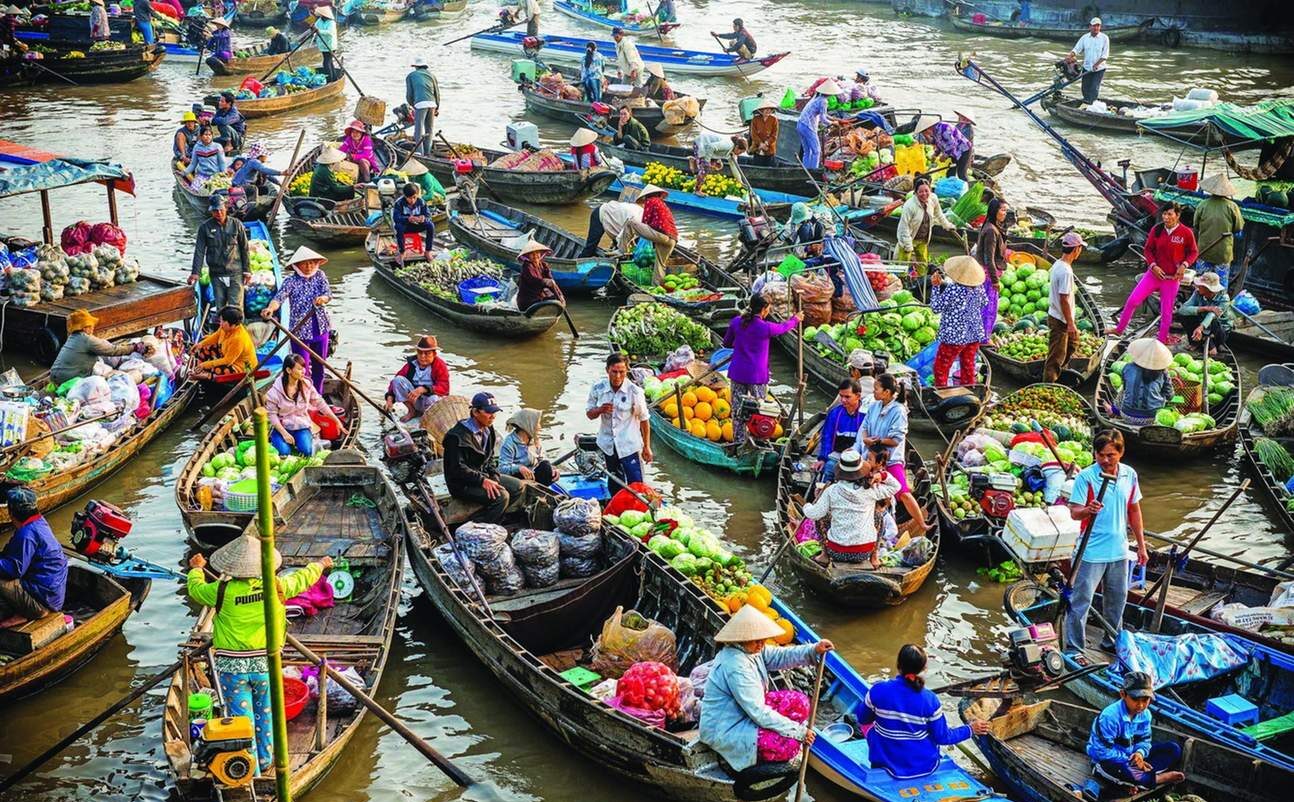
Perhaps no market type is more uniquely Vietnamese than the floating markets of the Mekong Delta. In this vast river delta region, waterways have historically served as the primary transportation network, making boat-based commerce the natural evolution of market culture. These floating markets remain working wholesale operations where farmers sell directly from boats loaded with produce.
Cai Rang Floating Market near Can Tho city ranks as the Mekong Delta’s largest and most famous floating market. In the early morning mist, hundreds of boats gather, creating a floating bazaar where larger vessels serve as wholesale suppliers displaying their goods on tall poles—a pineapple, a bunch of bananas, or a pile of coconuts signals what each boat sells. Smaller boats navigate between these floating shops, with buyers and sellers conducting transactions boat-to-boat. The scene buzzes with activity as vendors also prepare and sell breakfast foods—steaming bowls of noodle soup, Vietnamese coffee, and fresh tropical fruits—directly from their vessels.
Phong Dien Market offers a more intimate floating market experience, with fewer tourists and more authentic local character. Here, you witness river commerce as it has existed for generations, with elderly vendors who’ve spent their entire lives selling from boats, their faces weathered by sun and river winds but lit with welcoming smiles. These floating markets represent a distinctive aspect of Vietnamese market culture found nowhere else in the world, reflecting the country’s adaptation to its riverine geography.
Specialty Markets (Chợ chuyên biệt)
Beyond general markets, Vietnam boasts numerous specialty markets focusing on specific goods. Quang Ba Flower Market in Hanoi operates through the night, peaking around 2-4 AM when wholesale flowers arrive from nearby provinces. Mountains of roses, chrysanthemums, lilies, and lotus flowers create a fragrant, colorful spectacle. During Tet (Vietnamese New Year), this market explodes with activity as families purchase peach blossoms, kumquat trees, and other traditional decorative plants.
Antique markets in major cities attract collectors searching for French colonial artifacts, vintage propaganda posters, old coins, and traditional ceramics. Fish markets in coastal towns like Nha Trang or Vung Tau showcase incredible marine biodiversity, with vendors selling everything from familiar tuna and snapper to exotic sea creatures that most Westerners have never encountered. Tet markets temporarily transform neighborhoods in the weeks before Lunar New Year, specializing in holiday decorations, special foods, and festive goods. Each specialty market reveals different facets of Vietnamese regional character and seasonal traditions.
What to Expect When Visiting Vietnamese Markets
Entering a Vietnamese market awakens all five senses simultaneously. Visually, the markets overwhelm with color and movement—vendors in conical hats, rainbow produce arrangements, live chickens in cages, and the constant flow of shoppers on foot and motorbike. Auditory stimulation comes from every direction: vendors shouting prices, customers bargaining, motorbikes honking, and the background rhythm of chopping, grinding, and sizzling from food stalls.
The aromatic landscape constantly shifts as you move through different sections. Fresh herb bundles release sharp, clean scents. The fish section carries the briny smell of the ocean. Spice vendors surround you with the warm fragrance of star anise, cinnamon, and lemongrass. Coffee stalls perfume the air with dark roasted beans, while pho stands emit clouds of aromatic beef broth infused with ginger, star anise, and cinnamon.
Bargaining culture permeates Vietnamese markets and represents an expected part of the shopping experience rather than an adversarial negotiation. Vendors typically quote prices higher than they expect to receive, leaving room for customers to counter-offer. For tourists, this custom can feel intimidating initially, but understanding a few principles helps. Bargaining should be friendly and good-natured—smile, stay relaxed, and treat it as a cultural exchange rather than a battle. Generally, offering 70-80% of the initial asking price serves as a reasonable starting point, and you’ll likely settle somewhere in the middle.
Polite market etiquette enhances your experience. Always smile and make eye contact when greeting vendors. Ask permission before touching or photographing merchandise or people. Even if you don’t speak Vietnamese, learning a few basic phrases—”xin chào” (hello), “cảm ơn” (thank you), “bao nhiêu tiền?” (how much?)—demonstrates respect and often earns you warmer treatment and better prices. Remember that vendors work long hours in challenging conditions, so treating them with courtesy and dignity reflects well on visitors and enriches cultural exchange.
Must-Try Foods at Vietnamese Markets
Vietnamese markets serve as outdoor restaurants showcasing the country’s legendary street food culture. No visit to a Vietnamese market is complete without sampling these culinary treasures, often prepared by vendors who’ve perfected their recipes over decades.
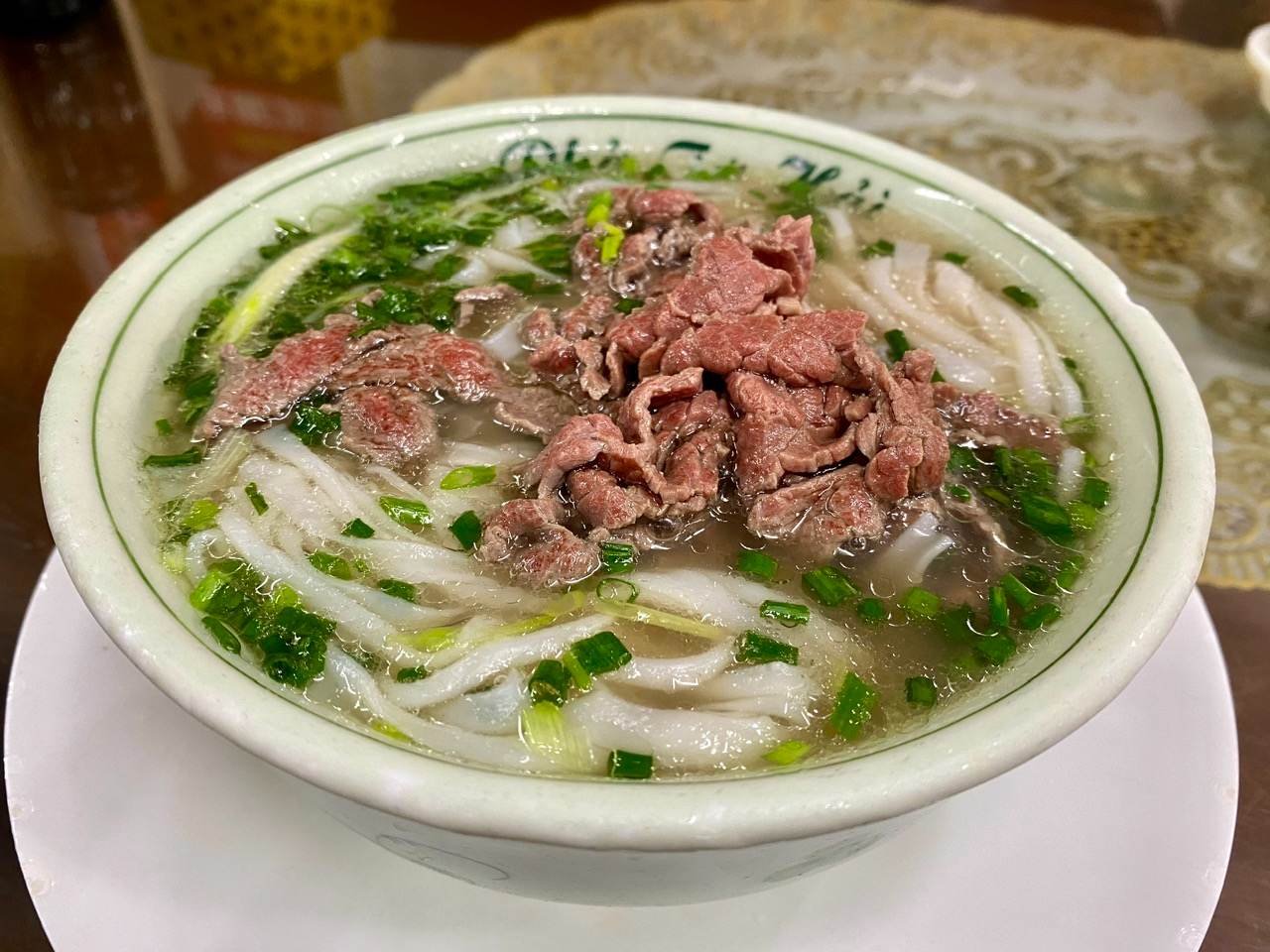
Phở, Vietnam’s signature noodle soup, tastes markedly different when enjoyed at a market stall. Vendors specialize in either phở bò (beef) or phở gà (chicken), simmering enormous pots of broth for hours to extract maximum flavor from bones, charred ginger, star anise, and other aromatics. The resulting soup achieves a clarity and depth that transcends any restaurant version, served with fresh rice noodles, tender meat slices, and a plate of herbs for customization.
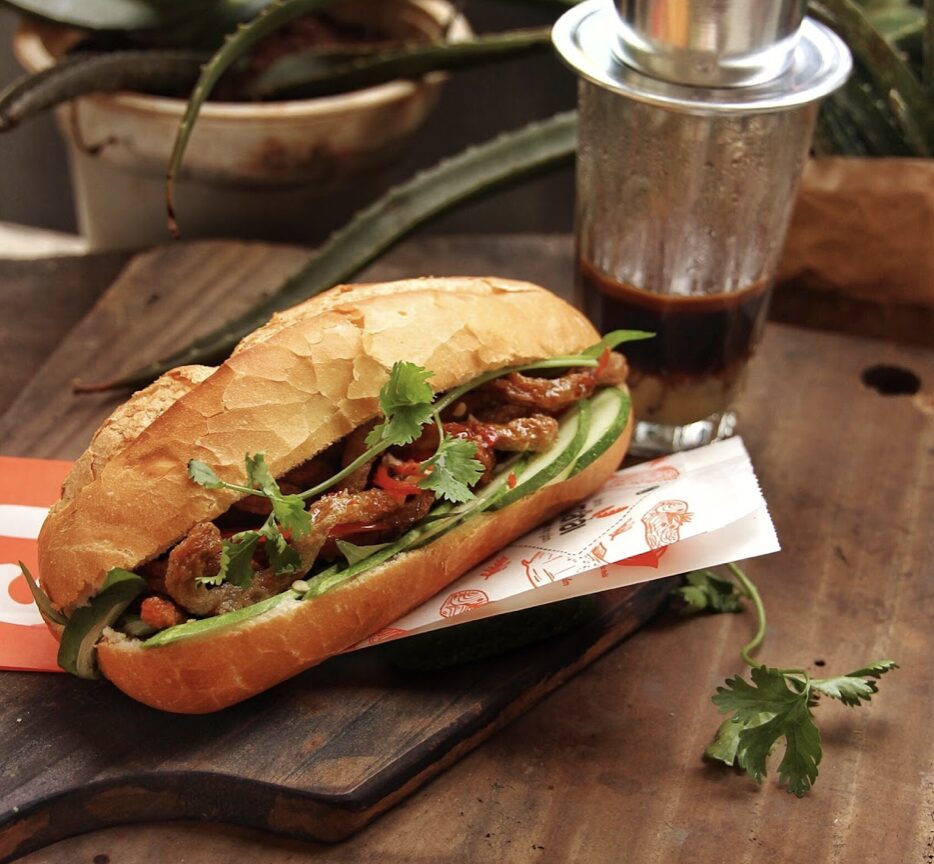
Bánh mì stalls demonstrate Vietnamese genius for fusion cuisine, combining French baguettes with distinctly Vietnamese fillings—pâté, pickled vegetables, cilantro, chili, and various meats from grilled pork to Vietnamese cold cuts. The best bánh mì achieves perfect textural contrast: crispy crust, soft interior, crunchy vegetables, and tender meat unified by savory-sweet-spicy-sour balance.
Bún chả, particularly popular in Hanoi markets, features grilled pork patties and slices served in a sweet-sour dipping sauce alongside rice vermicelli noodles and fresh herbs. Diners construct each bite to personal preference, creating an interactive eating experience that epitomizes Vietnamese food culture.
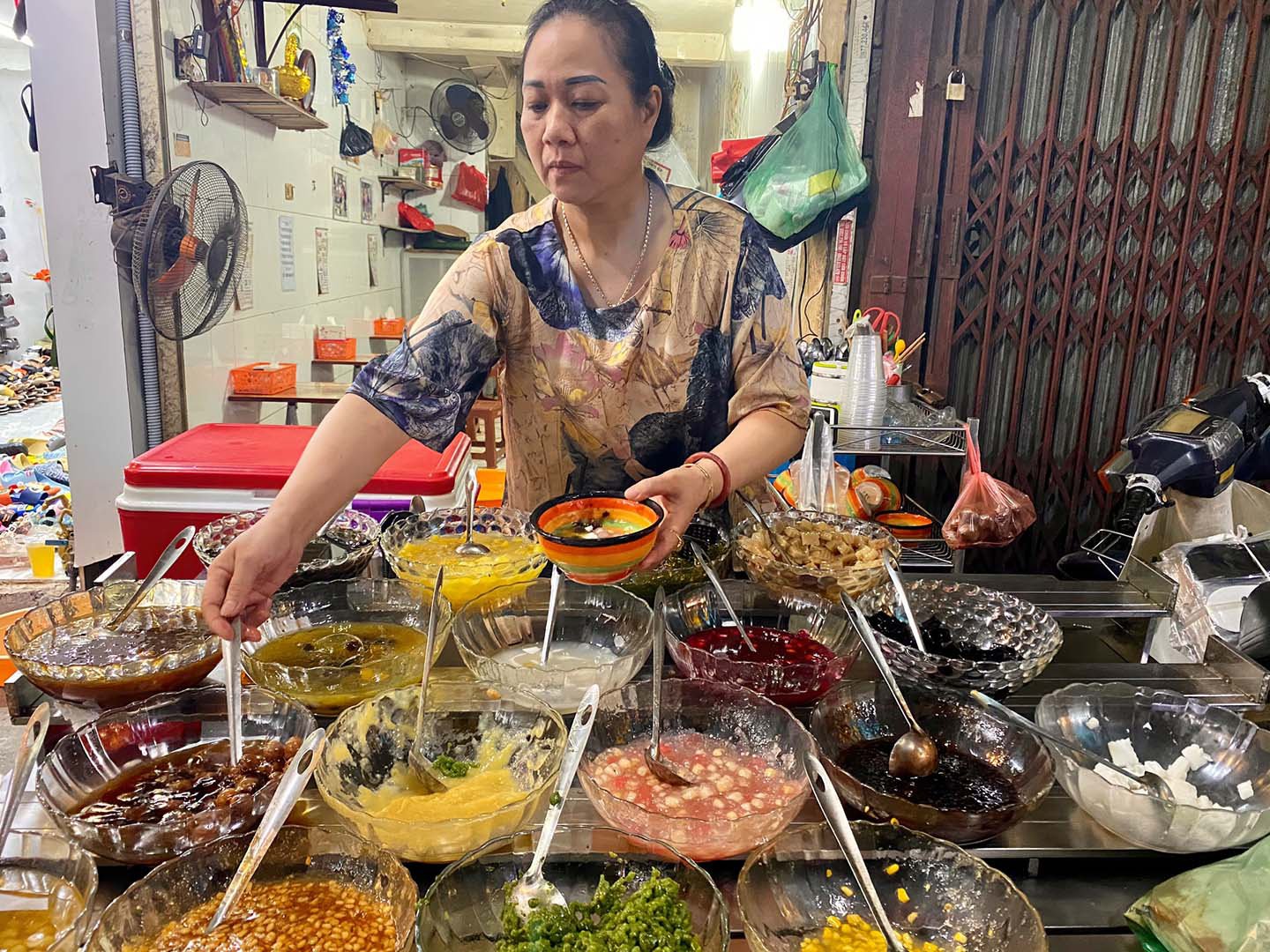
For dessert or snacks, chè stalls offer dozens of varieties of Vietnamese sweet soups and puddings combining ingredients like mung beans, tapioca pearls, coconut milk, tropical fruits, and jellies. On hot days, nothing refreshes like a glass of cà phê sữa đá (Vietnamese iced coffee)—strong coffee dripped through a metal filter, mixed with sweetened condensed milk, and poured over ice, creating a drink both energizing and dessert-like.
Fresh spring rolls, available at many markets, showcase Vietnamese cuisine’s emphasis on freshness and balance. Translucent rice paper wrappers enclose rice vermicelli, herbs, vegetables, and shrimp or pork, served with peanut sauce for dipping. Unlike fried spring rolls, these require no cooking, highlighting the quality of raw ingredients.
Best Cities for Exploring Vietnamese Markets
Hanoi
The capital city preserves strong market traditions reflecting Northern Vietnamese culture. Dong Xuan Market anchors the Old Quarter, offering the most comprehensive market experience with thousands of vendors across multiple floors. Quang Ba Flower Market provides a unique after-midnight experience, while numerous smaller neighborhood markets throughout the city showcase daily Vietnamese life. Northern Vietnamese cuisine featured in Hanoi markets tends toward subtler, less sweet flavors compared to Southern Vietnamese food.
Ho Chi Minh City
The country’s largest city blends traditional market culture with modern commerce. Ben Thanh Market serves as the most famous, occupying a prime central location and offering both tourist souvenirs and local provisions. Binh Tay Market in Cholon (Chinatown) provides a more authentic experience with Chinese-Vietnamese cultural fusion evident in architecture, goods, and food. Countless smaller markets throughout the city’s districts cater primarily to residents, offering glimpses of urban Vietnamese life.
Can Tho
This Mekong Delta hub city serves as the gateway to the region’s famous floating markets. Cai Rang Floating Market, accessible by boat tours departing early morning from Can Tho, ranks among Vietnam’s most iconic market experiences. The city’s land-based markets also showcase the agricultural abundance of the Mekong Delta—tropical fruits, river fish, and rice products dominate.
Da Lat
This mountain resort town’s cool climate creates unique agricultural conditions supporting strawberries, artichokes, and other temperate crops. Da Lat Night Market attracts crowds with its extensive street food options, fresh highland produce, and the festive atmosphere created by the cool evening weather. The central market operates throughout the day, supplying flowers, vegetables, and local specialties like candied fruits and wine.
Hoi An
The ancient town’s markets blend local commerce with tourist-oriented craft shops. Hoi An Central Market provides daily necessities for residents while also attracting visitors with its riverside location and historic building. The night market transforms nearby streets into a pedestrian-friendly bazaar illuminated by traditional lanterns, offering handicrafts, textiles, and diverse street food reflecting Hoi An’s history as a trading port where multiple cultures converged.
Tips for Tourists Visiting Vietnamese Markets
Successfully navigating Vietnamese markets requires some practical preparation. Cash remains king—many vendors, particularly in traditional markets, don’t accept credit cards. Bring small denomination bills (20,000 and 50,000 VND notes) to facilitate transactions and make receiving change easier. ATMs are readily available in cities, but withdraw cash before heading to markets.
Timing significantly impacts your experience. Morning markets operate best from 6-9 AM when selection is greatest and the atmosphere most authentic. This early timing also avoids midday heat, which can make market exploration exhausting. Night markets typically open around 5-6 PM and remain active until 10 PM or later. Avoid visiting markets during heavy rain, as many have limited cover and can become muddy and slippery.
Approach bargaining as cultural participation rather than economic warfare. Start by offering 70-80% of the asking price, but gauge the situation—if a vendor immediately accepts, you probably offered too much. If they dismiss your offer outright, you’ve gone too low. The goal isn’t extracting the absolute minimum price but reaching a fair compromise where both parties feel satisfied. Don’t bargain for items you don’t intend to purchase, as this wastes vendors’ time and creates frustration.
Photography etiquette matters significantly. Always ask permission before photographing vendors or their goods, ideally using gestures if you don’t speak Vietnamese. Many vendors happily pose if asked respectfully, while others prefer privacy. Never photograph someone who indicates they don’t wish to be photographed. Purchasing something from a vendor before requesting photos often earns their cooperation and goodwill.
Dress practically and modestly. Wear comfortable walking shoes suitable for potentially uneven, wet, or dirty surfaces. Bring a small backpack or shoulder bag rather than carrying multiple shopping bags. Modest clothing shows cultural respect—avoid revealing outfits, particularly when visiting markets in more conservative rural areas. A light scarf or cardigan can be useful, as some covered markets are heavily air-conditioned.
Stay aware of your surroundings and belongings. While Vietnamese markets are generally safe, crowded environments everywhere attract pickpockets. Keep valuables secured in front pockets or bags worn across your body. Avoid wearing expensive jewelry or displaying large amounts of cash. Most importantly, maintain situational awareness rather than becoming completely absorbed in your phone or camera.
FAQ – Frequently Asked Questions about Vietnamese Markets
Q1: What are the most famous Vietnamese markets?
The most well-known are Ben Thanh Market in Ho Chi Minh City, renowned for its central location and diverse offerings; Dong Xuan Market in Hanoi’s Old Quarter, the capital’s largest covered market; and Cai Rang Floating Market near Can Tho, the Mekong Delta’s most spectacular water-based market. Each offers distinct experiences reflecting their regional character.
Q2: Are Vietnamese markets open every day?
Yes, most traditional Vietnamese markets operate daily from early morning until late evening, following the rhythms of daily life. Morning markets typically peak between 6-9 AM, while night markets generally open around 5 PM and continue until 10 PM or later. Some specialty markets, like flower markets before Tet, operate seasonally.
Q3: Can I bargain in Vietnamese markets?
Definitely! Bargaining represents a common and friendly tradition in Vietnamese market culture. Start by offering around 70-80% of the asking price and negotiate from there. Maintain a friendly, respectful tone—bargaining should be enjoyable cultural exchange, not confrontation. Fixed-price shops and restaurants don’t expect bargaining, but market stalls almost always do.
Q4: What should I buy at Vietnamese markets?
Popular souvenirs include lacquerware decorated with traditional motifs, silk scarves and clothing, conical hats (nón lá), Vietnamese coffee beans, dried fruits like mango and jackfruit, spices including star anise and cinnamon, and handicrafts like bamboo products or ceramics. For personal use, consider fresh tropical fruits, traditional snacks, and local specialties unique to each region.
Q5: Are Vietnamese markets safe for tourists?
Yes, Vietnamese markets are generally very safe for tourists. Violent crime is rare, though petty theft can occur in crowded areas. Keep belongings secured, avoid displaying expensive items, and stay aware of your surroundings. The overwhelming majority of vendors are honest business people, though some tourist-focused markets may employ aggressive sales tactics or overcharge tourists.
Q6: What is the best time to visit Vietnamese markets?
Early morning (6-9 AM) offers the most authentic experience, with maximum selection and activity at traditional markets. This timing also avoids midday heat. Evening visits to night markets (6-10 PM) provide entertainment-focused experiences with street food and handicrafts. Avoid midday visits when markets are quiet and heat is intense.
Conclusion
Vietnamese markets pulse with the authentic rhythm of daily life, offering visitors far more than shopping opportunities—they provide genuine cultural immersion and human connection. Whether you’re navigating the narrow aisles of a bustling morning market alongside housewives selecting vegetables for dinner, floating down a Mekong Delta waterway surrounded by boats laden with tropical fruits, or sampling bánh mì under the glow of lanterns at a night market, you’re experiencing Vietnam at its most real and unfiltered.
Exploring Vietnamese markets is not just about shopping – it’s about connecting with the heartbeat of Vietnam’s culture and people. These vibrant spaces preserve traditions, sustain communities, and create daily theaters where the Vietnamese character—resourceful, social, practical, and warm—displays itself authentically. The colors, sounds, aromas, and tastes create sensory memories that endure long after your journey ends.
As you plan your Vietnamese adventure, prioritize market visits in your itinerary. Consider joining guided market tours that provide cultural context and translation, enhancing your understanding and access. Wake early for morning markets, stay out late for night markets, and take boat trips to floating markets. Bring cash, wear comfortable shoes, charge your camera, and most importantly, bring curiosity and respect. The rewards—incredible food, unique souvenirs, cultural insights, and warm human exchanges—make Vietnamese markets absolutely essential to understanding this remarkable country.
Ready to experience the vibrant colors, flavors, and culture of Vietnamese markets firsthand? Let Aravinda Travel craft your perfect market exploration journey. Our expert local guides will take you beyond the tourist spots to authentic markets where real Vietnamese life unfolds, helping you navigate bargaining customs, discover hidden culinary gems, and connect meaningfully with local vendors. Whether you dream of floating through Mekong Delta waterways at sunrise, sampling street food in Hanoi’s Old Quarter, or hunting for treasures at Hoi An’s night market, we’ll create a personalized itinerary that brings this guide to life.
Contact Aravinda Travel today to start planning your unforgettable Vietnamese market adventure:
- Website: aravindatravel.com
- Facebook: Aravinda Travel – Loyal DMC in South East Asia
- Email: info@aravindatravel.com
- 24/7 Hotline: +84989383572
Let us handle the details while you immerse yourself in the authentic heartbeat of Vietnam!