
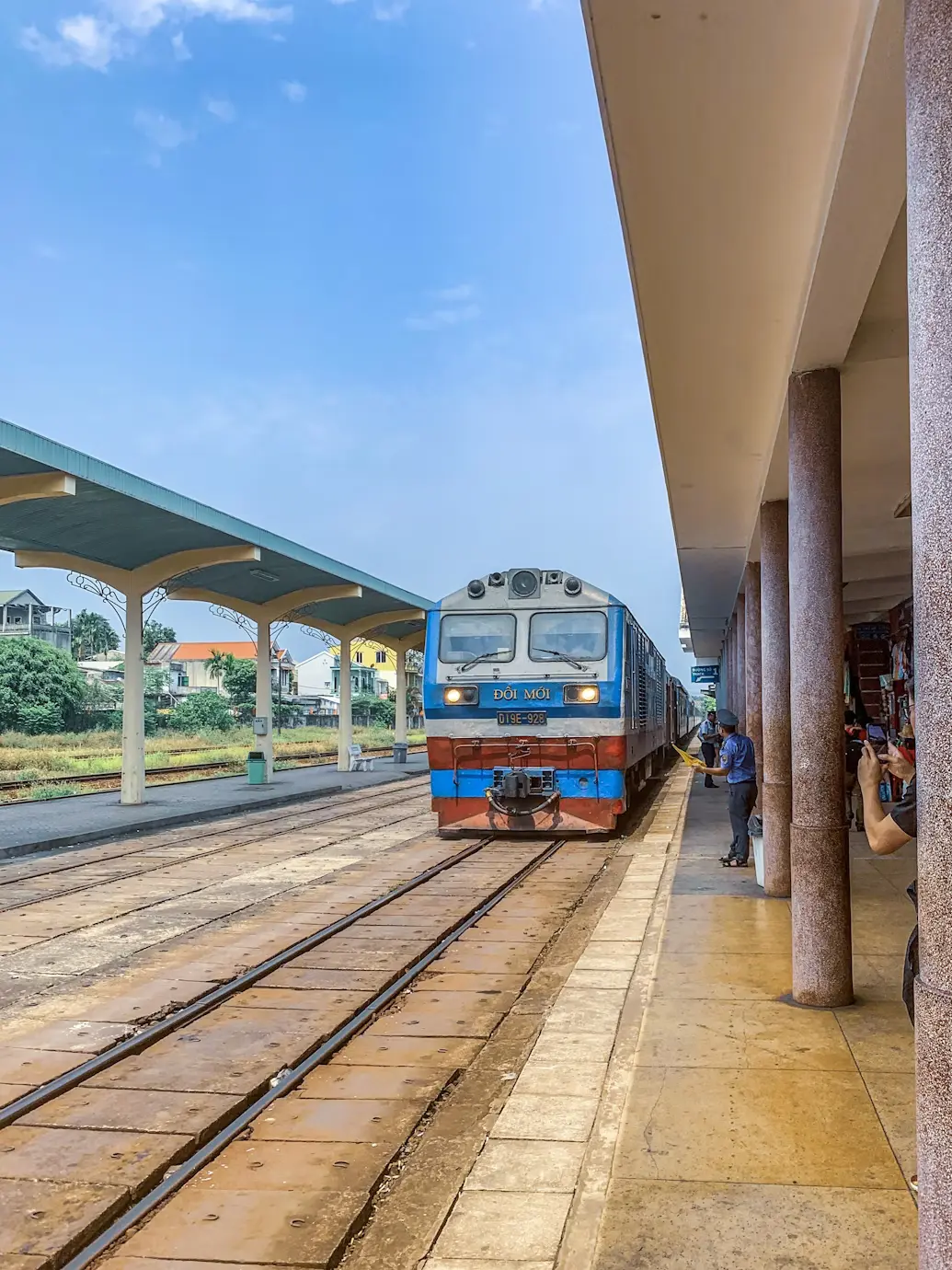
Experience the soul of Vietnam through its most scenic railway routes
Vietnam’s railway system offers one of the most authentic and breathtaking ways to explore the country from north to south. The best train journeys in Vietnam provide travelers with a unique perspective of the nation’s diverse landscapes, from misty mountain peaks to pristine coastal stretches. Unlike the hurried pace of air travel or the cramped conditions of buses, Vietnam train travel allows you to slow down, absorb the scenery, and connect with local culture in a way that’s both environmentally friendly and budget-conscious.
Stretching over 2,600 kilometers from Lao Cai in the north to Ho Chi Minh City in the south, Vietnam’s railway network connects major cities while passing through some of the country’s most spectacular terrain. Whether you’re seeking mountain adventures, coastal beauty, or cultural immersion, these Vietnam train routes offer unforgettable experiences that capture the essence of this remarkable Southeast Asian nation.
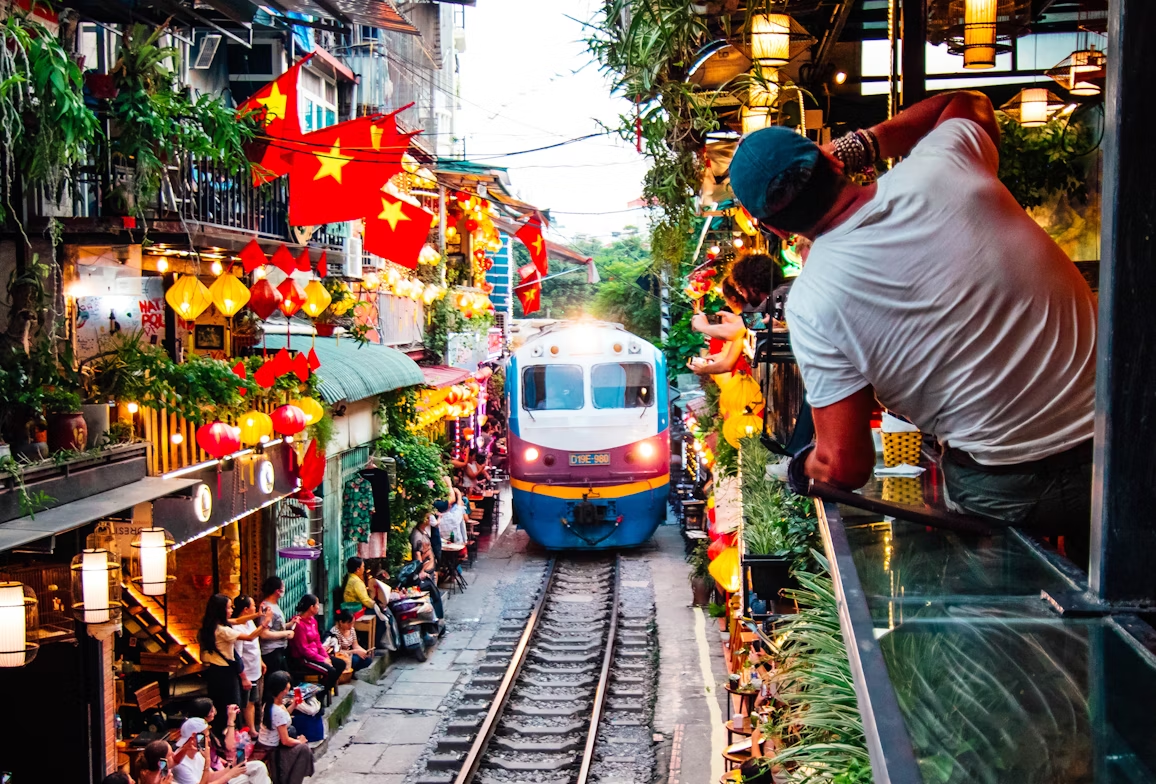
Why Travel by Train in Vietnam?
Vietnam’s railway system, originally built during French colonial times and later expanded, offers an extensive network connecting major destinations from Lao Cai to Ho Chi Minh City. The Vietnam railways provide an affordable alternative to domestic flights, with ticket prices often 50-70% lower than airfare, making it an attractive option for budget-conscious travelers and backpackers.
The real magic of scenic train rides Vietnam lies in the journey itself. Unlike other forms of transportation, train travel allows you to witness the gradual transformation of landscapes, from terraced rice fields in the north to tropical beaches in the south. You’ll have opportunities to interact with local passengers, sample regional snacks sold by platform vendors, and observe daily life in rural villages that flash by your window.
Compared to buses, trains offer more legroom, stable seating, and the freedom to move around during long journeys. While flights are faster, they lack the scenic beauty and cultural immersion that make train travel so special. The environmental benefits are also significant – trains produce considerably fewer carbon emissions per passenger than planes or private vehicles.
The convenience factor shouldn’t be overlooked either. Train stations are typically located in city centers, eliminating the need for expensive airport transfers. With multiple departure times daily on major routes, you can easily fit train travel into your itinerary while enjoying a more relaxed pace of exploration.
Hanoi to Lao Cai (Sapa): Mountain Majesty
The Hanoi to Sapa train journey ranks among Vietnam’s most popular railway experiences, transforming what could be a simple overnight trip into an adventure through Vietnam’s northern highlands. This overnight train Vietnam route covers approximately 340 kilometers, taking you from the bustling capital through increasingly mountainous terrain to the gateway of Sapa’s famous terraced rice fields.
Departing from Hanoi’s main railway station in the evening, the scenic train to Sapa offers various accommodation options, from basic hard berths to comfortable air-conditioned soft sleeper cabins. The four-berth soft sleeper cabins are particularly popular with international travelers, featuring clean bedding, reading lights, and storage space for luggage. Private two-berth cabins are available for those seeking extra comfort and privacy.
As the train winds through the night, you’ll wake to stunning mountain vistas that unfold like a living postcard. The approach to Lao Cai station reveals terraced mountainsides carved by generations of ethnic minority farmers, creating one of Vietnam’s most iconic landscapes. The air becomes noticeably cooler and fresher as you ascend into the highlands.
From Lao Cai station, a short bus or taxi ride takes you to Sapa town, where you can explore local markets, trek through minority villages, and witness the impressive engineering of ancient rice terraces. Many travelers combine this train journey with multi-day trekking adventures, homestays in ethnic villages, and visits to Vietnam’s highest peak, Fansipan.
Booking recommendations include choosing the SP1 or SP3 trains, which offer the most reliable service and comfort. It’s advisable to book tickets at least a week in advance, especially during peak tourist seasons and Vietnamese holidays when locals also travel to escape the capital’s heat.
Hanoi to Dong Hoi: Gateway to Phong Nha Caves
The train to Phong Nha represents one of Vietnam’s most underrated railway journeys, offering travelers access to one of the world’s most spectacular cave systems. The Hanoi Dong Hoi train covers approximately 500 kilometers through the heart of northern and central Vietnam, showcasing the transition from the Red River Delta’s flat agricultural lands to the dramatic karst landscape of Quang Binh Province.
This journey typically takes 6-8 hours on express trains SE1 or SE3, making it perfect for daytime travel when you can fully appreciate the changing scenery. The route passes through traditional farming communities where water buffalo graze in emerald rice paddies, and limestone hills begin to emerge on the horizon like ancient sentinels.
Dong Hoi serves as the ideal base for exploring Phong Nha-Ke Bang National Park, home to some of the world’s largest caves, including the famous Son Tra Cave and Paradise Cave. The park’s underground river systems and massive caverns create an otherworldly experience that contrasts beautifully with the gentle train journey that brought you there.
The train journey itself offers glimpses of rural Vietnamese life that many tourists miss. You’ll see farmers working in fields, children waving from village homes, and local markets bustling with activity at various stops along the route. The gradually changing architecture from northern to central Vietnamese styles provides insights into regional cultural differences.
Practical tips include booking seats on the right side of the train for better mountain views, bringing snacks and water for the journey, and arranging accommodation in Dong Hoi in advance, as this smaller city has fewer lodging options than major tourist centers.
Hue to Da Nang: Vietnam’s Most Scenic Coastal Ride
Often hailed as the most beautiful short train ride in Vietnam, the Hue to Da Nang scenic train journey takes you through the legendary Hai Van Pass, offering spectacular views that have inspired poets and filmmakers for generations. This Hai Van Pass train route covers just 108 kilometers but packs more scenic beauty per mile than perhaps any other railway journey in Southeast Asia.
The 2.5 to 3-hour journey begins in the ancient imperial capital of Hue, gradually climbing through verdant hills before cresting the Hai Van Pass – literally “Ocean Cloud Pass” – where the railway reaches its most dramatic point. Here, the track curves around mountainsides hundreds of meters above the South China Sea, providing breathtaking panoramic views of Lang Co Bay’s turquoise waters and pristine beaches.
This route represents a must-ride bucket list train ride for photography enthusiasts and nature lovers. For the best views, secure a seat on the right side of the train when traveling from Hue to Da Nang. The windows can be opened on many trains, allowing for unobstructed photography and the refreshing sea breeze to complement the visual spectacle.
The best coastal train rides Vietnam has to offer include this route’s passage through several distinct ecosystems – from Hue’s riverside plains through mountain forests to coastal lowlands. You’ll witness traditional fishing villages, ancient pagodas perched on hillsides, and the gradual transition from central Vietnam’s imperial architecture to the more modern developments around Da Nang.
The engineering marvel of this railway section becomes apparent as the train navigates tight curves and tunnels carved through solid rock. Built during French colonial times, this section required extraordinary construction efforts that are still appreciated today. Many travelers choose to take this train in both directions, as the return journey offers entirely different perspectives of the same spectacular scenery.
Da Nang to Nha Trang: Central Coast Discovery
The Da Nang Nha Trang train journey showcases Vietnam’s stunning central coastline, winding through fishing villages, salt fields, and pristine beaches that define this region’s character. This Vietnam coastal train route covers approximately 540 kilometers of diverse terrain, from urban Da Nang through rural coastal communities to the resort town of Nha Trang.
Both daytime and overnight options offer unique advantages for this journey. Daytime trains allow you to fully appreciate the coastal scenery, including glimpses of traditional round boats (thúng chai) in fishing harbors, extensive salt evaporation ponds creating geometric patterns in the landscape, and endless stretches of sandy beaches fringed with coconut palms.
The overnight train provides a different but equally rewarding experience, with the gentle rocking motion and ocean sounds creating a peaceful atmosphere for rest. You’ll wake to sunrise views over the South China Sea, often with fishing boats silhouetted against the golden horizon.
This route passes through several charming coastal towns including Quy Nhon, known for its excellent seafood and historical Cham towers. The landscape alternates between flat coastal plains ideal for rice cultivation and dramatic headlands that jut into the sea, creating natural harbors that have supported fishing communities for centuries.
Nha Trang, your destination, represents one of Vietnam’s premier beach resort cities, offering excellent seafood, vibrant nightlife, and opportunities for island hopping, snorkeling, and diving. The contrast between the peaceful train journey and Nha Trang’s energetic beach culture creates a perfect balance for travelers seeking both relaxation and excitement.
Nha Trang to Ho Chi Minh City: From Beaches to the Big City
The final segment of Vietnam’s epic north-south railway journey, the Nha Trang Saigon train route, provides a fitting conclusion to cross-country travel while showcasing the transition from coastal resort areas to Vietnam’s dynamic economic capital. This Vietnam train to Ho Chi Minh City covers approximately 430 kilometers through diverse landscapes that reflect southern Vietnam’s agricultural richness and urban development.
Departing Nha Trang’s relaxed beach atmosphere, the train initially follows the coastline before turning inland through the low-lying plateau regions that characterize much of southern Vietnam. You’ll pass through rubber plantations, dragon fruit farms, and traditional villages where stilted houses reflect the region’s adaptation to seasonal flooding.
The approach to Ho Chi Minh City reveals Vietnam’s remarkable economic transformation, as rural landscapes gradually give way to industrial zones, suburban developments, and finally the dense urban sprawl of the country’s largest city. The contrast between peaceful farmland and bustling city life encapsulates Vietnam’s rapid modernization while maintaining traditional agricultural foundations.
This journey represents more than just transportation – it’s a moving meditation on Vietnam’s diversity and development. The best train journeys in Vietnam often save the most dramatic contrast for last, and this route delivers by concluding at Saigon Railway Station in the heart of a city that pulses with energy, commerce, and historical significance.
Ho Chi Minh City awaits with its famous street food scene, historical landmarks including the Cu Chi Tunnels and War Remnants Museum, vibrant markets, and architectural blend of French colonial buildings alongside modern skyscrapers. The train journey’s peaceful pace provides perfect preparation for immersing yourself in this dynamic urban environment.
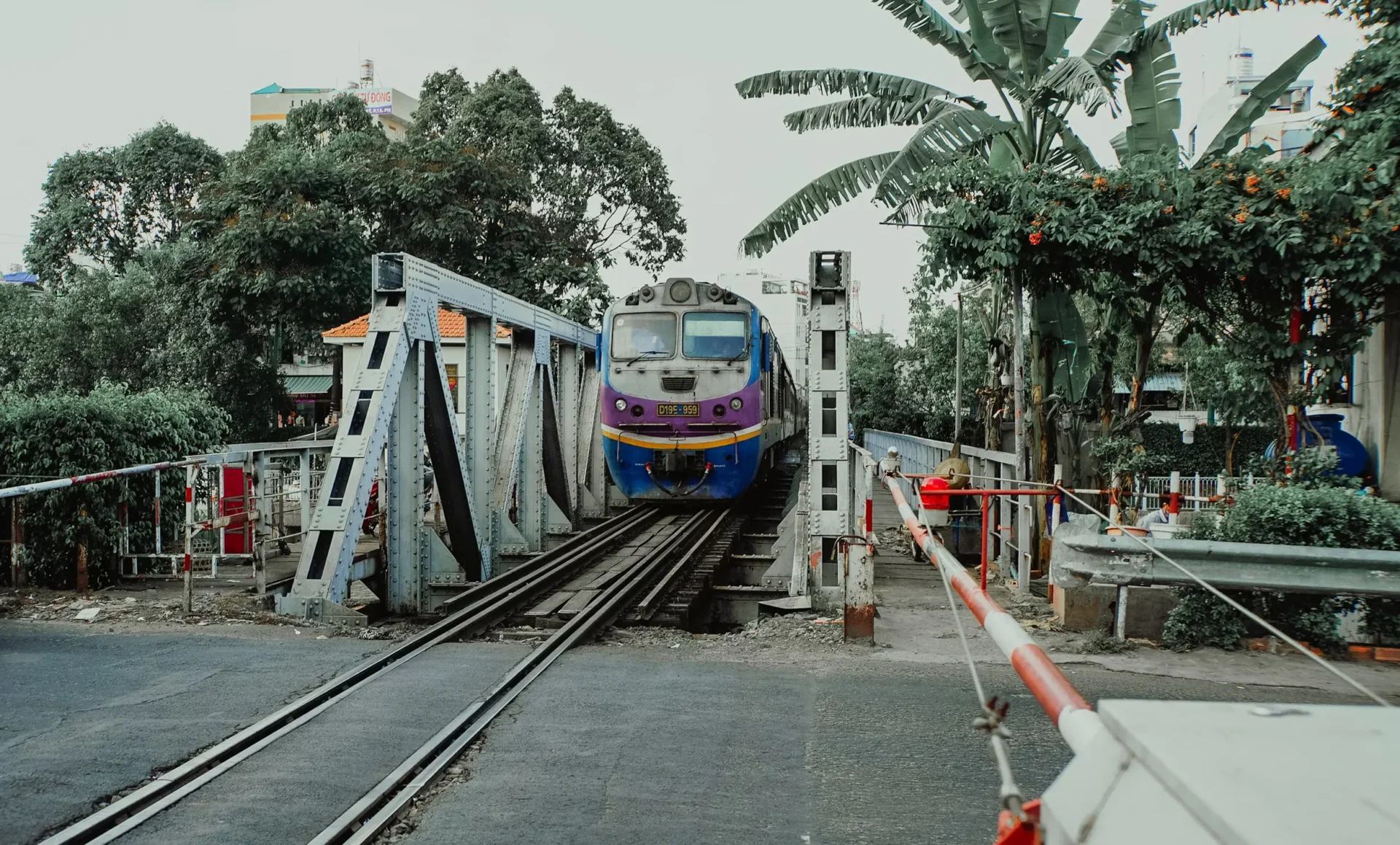
Hanoi to Ho Chi Minh City: The Full North–South Journey
The Hanoi to Ho Chi Minh City train route spans over 1,700 kilometers and is the most iconic railway line in Vietnam. Known locally as the Reunification Express, this journey is a true cross-country adventure, taking travelers through diverse landscapes—from northern mountains and central coastlines to southern lowlands.
Several train services operate on this route, including the SE1 to SE8 lines. Among these, SE1 and SE3 are generally the most popular for tourists thanks to their better timing, cleaner cabins, and relatively faster schedule (around 31–35 hoursdepending on the train).
Trains offer various seat classes: hard seat, soft seat, hard sleeper, and soft sleeper (with or without air-conditioning). For long-distance travelers, the 4-berth soft sleeper cabin is the most comfortable choice. Amenities include charging outlets, food carts, and clean bedding. Booking can be done via Vietnam Railways or reputable travel agents.
Travelers will pass through several major cities including Vinh, Dong Hoi, Hue, Da Nang, Nha Trang, and Bien Hoa, making it possible to stop along the way and explore local culture. Recently, a new high-quality tourism train called SJourney has been launched to enhance long-distance rail travel experiences along this iconic route.
Whether you’re traveling the entire route in one go or hopping off along the way, this north-to-south line is a fantastic way to experience the depth and diversity of Vietnam—at ground level.

Tips for Train Travel in Vietnam
Successful Vietnam train travel requires some preparation and local knowledge to ensure comfortable and safe journeys. How to book train in Vietnam starts with understanding the official booking system through dsvn.vn (Vietnam Railways’ official website) or downloading the Vietnam Railways mobile app for convenient online reservations.
Ticket categories include hard seats (suitable for short daytime journeys), soft seats (more comfortable with air conditioning), hard berths (basic sleeping accommodations), soft berths (comfortable sleeping cars with bedding), and private cabins (premium accommodation for couples or small groups seeking privacy). For longer journeys, investing in soft berth or cabin accommodations significantly improves comfort and sleep quality.
Essential items to pack include bottled water (though trains usually have water dispensers), snacks for long journeys, portable phone chargers, comfortable clothing, and a light jacket for air-conditioned cars that can become chilly. Toilet paper and hand sanitizer are recommended as facilities vary between train classes.
Is train travel in Vietnam safe? Yes, Vietnamese railways maintain good safety records, and trains are generally punctual and well-maintained. However, keep valuables secure, particularly on overnight journeys, and maintain awareness of your belongings at station stops where vendors board trains to sell food and drinks.
For photography enthusiasts, window seats on the correct side of the train are crucial for capturing scenic highlights. Research your route beforehand to determine which side offers better views. Many experienced travelers recommend booking both directions of short scenic routes like Hue to Da Nang to experience different perspectives.
Meal options vary by train class and journey length. Express trains often include meal service or dining cars, while local trains rely on platform vendors selling regional specialties at station stops. These vendor interactions provide authentic cultural experiences and opportunities to sample local cuisine.
Conclusion: Rediscover Vietnam by Rail
Vietnam’s railway system offers more than simple transportation – it provides a window into the soul of this remarkable country. From the misty mountains surrounding Sapa to the pristine beaches of the central coast, the best train journeys in Vietnam reveal landscapes, cultures, and experiences that remain hidden from those who only travel by air or bus.
Each route discussed – whether the popular Hanoi to Sapa mountain adventure, the spectacular Hue to Da Nang coastal ride, or the complete north-to-south odyssey – offers unique perspectives on Vietnam’s natural beauty and cultural diversity. These train journeys allow travelers to appreciate the gradual transitions between regions, witness daily life in rural communities, and arrive at destinations with a deeper understanding of the journey itself.
The slow travel movement finds perfect expression in Vietnam’s railways, where the journey becomes as meaningful as the destination. By choosing train travel, you’re not just moving between cities – you’re participating in a transportation tradition that connects you with local travelers, supports sustainable tourism, and provides unfiltered views of authentic Vietnam.
Consider planning your next Vietnamese adventure around these railway routes. If you want an easy, safe, and authentic experience, you can book your tour with Aravinda Travel. Whether you’re a photography enthusiast seeking dramatic landscapes, a cultural explorer interested in local interactions, or simply a traveler who appreciates the romance of rail travel, Vietnam’s train journeys offer experiences that will enrich your understanding of this fascinating country.
Share your own train travel experiences in Vietnam, and inspire others to discover the magic of exploring this beautiful nation at the gentle, revealing pace that only railways can provide. The tracks are waiting – your Vietnamese rail adventure begins with a single ticket purchase.
Contact Details:
- Website: aravindatravel.com
- Facebook: Aravinda Travel – Loyal DMC in South East Asia
- Email: info@aravindatravel.com
- 24/7 Hotline: +84989383572